.svg)
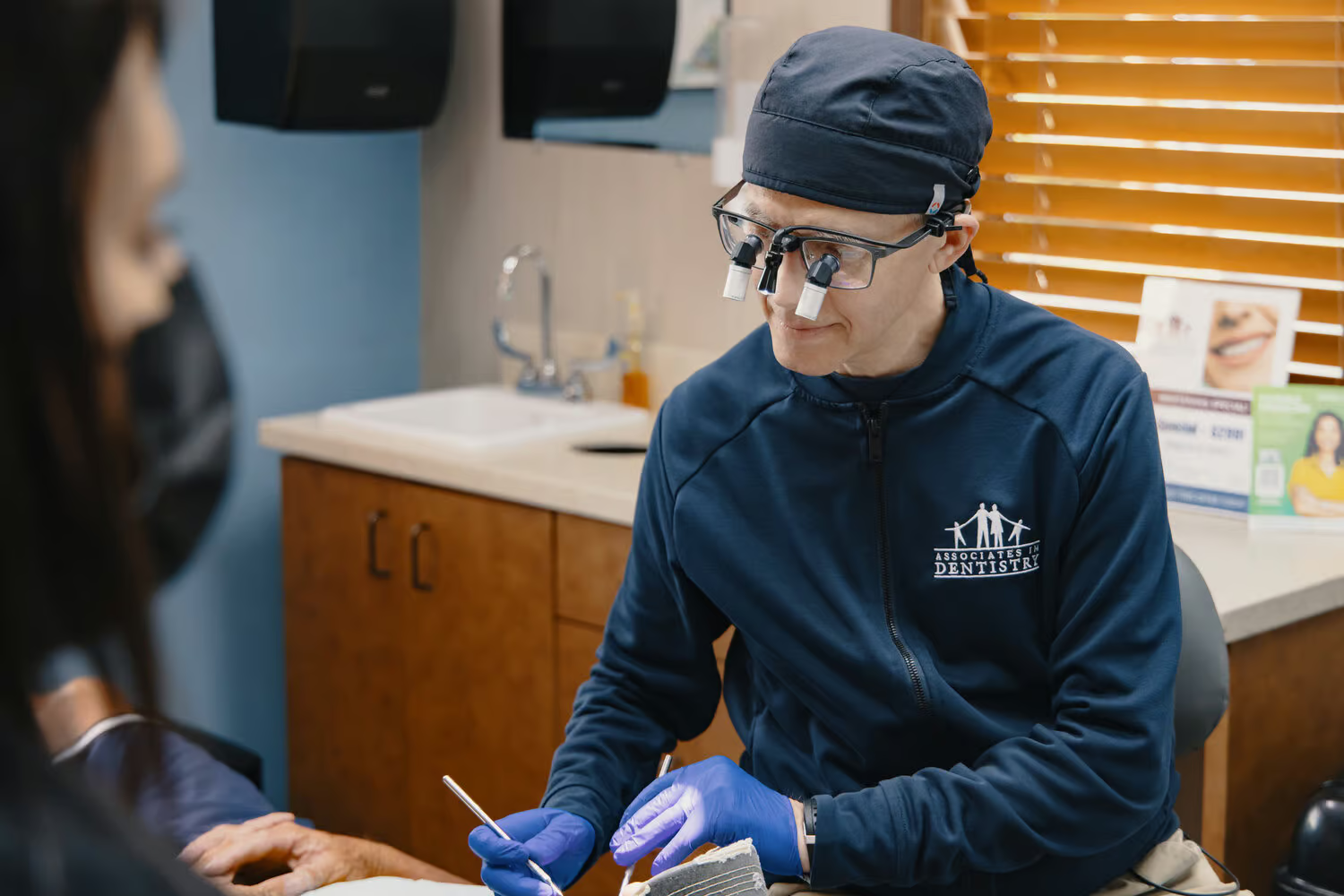
If you're searching for General Dentistry in Bartonville, you may be trying to sort out several services that sound alike. Associates in Dentistry helps you match the right service to your needs, from routine dental exams and dental cleaning to root canals, crowns, dentures, and jaw treatment. Our office is served by Dr. Landall Cormier and Dr. Jessica Dean.
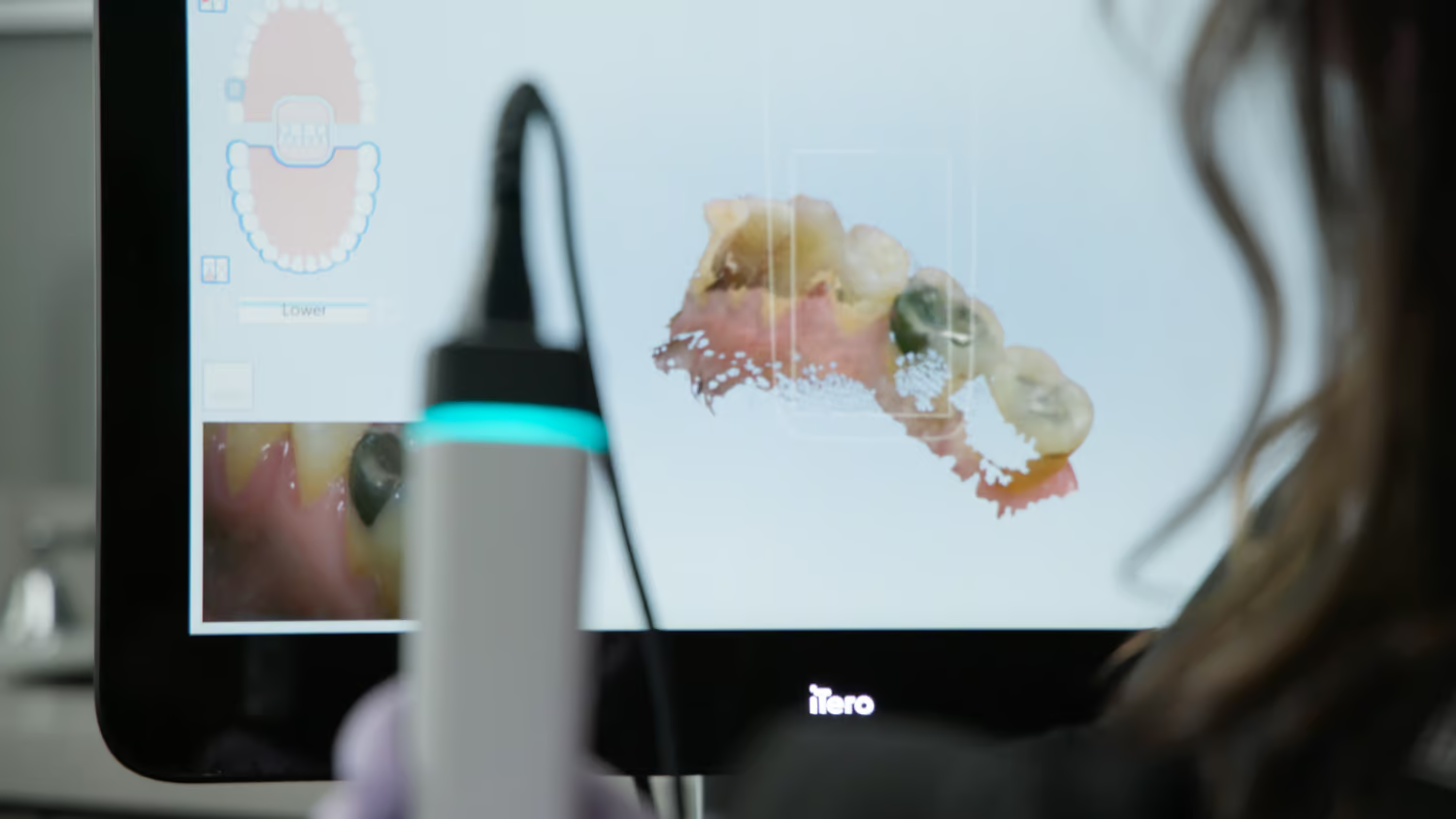
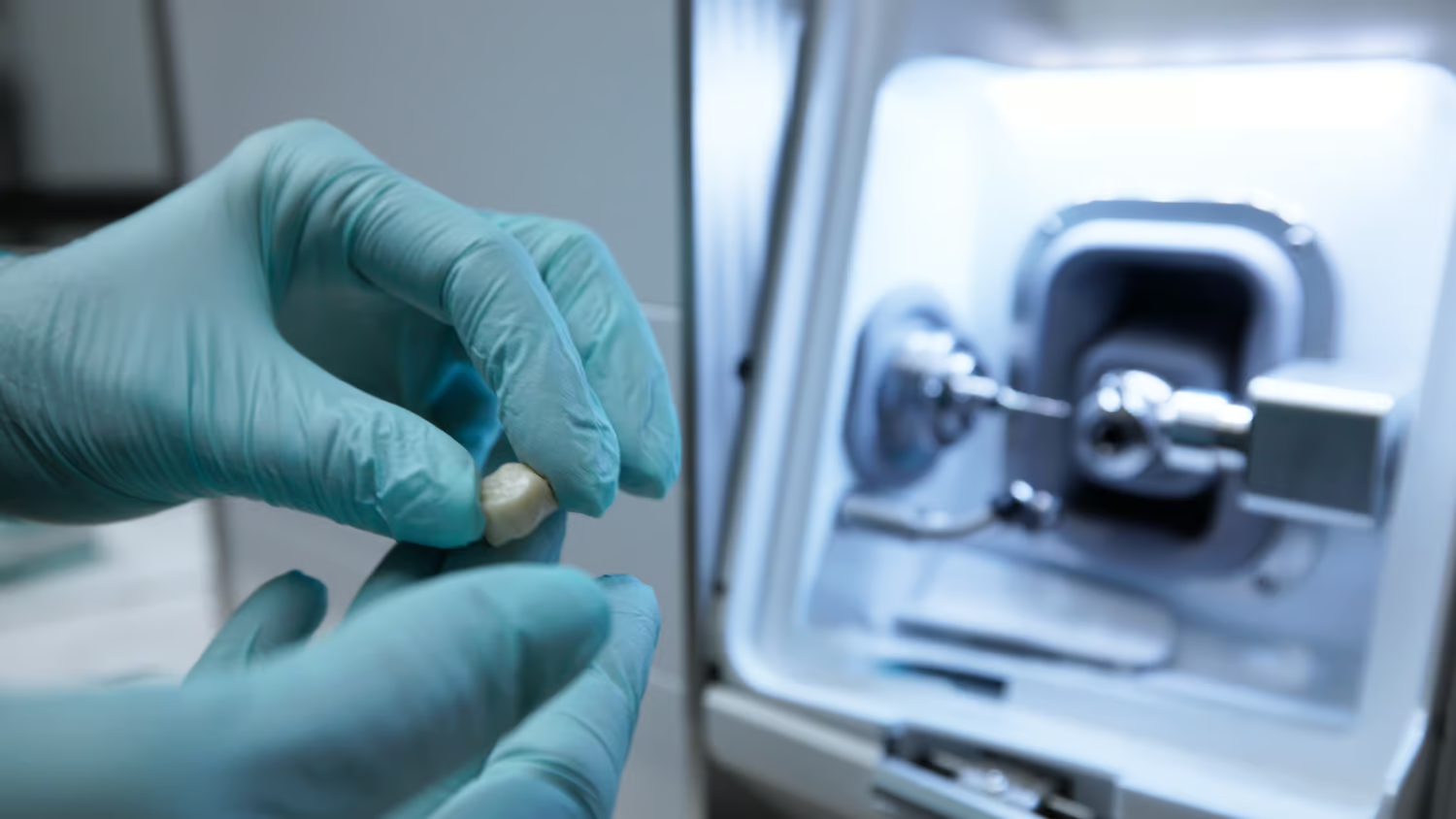
The office is supported by an in-house mill and a dental laser. These tools help our dentists provide many services under one roof. Associates in Dentistry has served Central Illinois since 1972. Still, the main question is simple: What does your mouth need now? This page gives you a clear look at each service without burying you in clinical details. Once you find the service that sounds right, you can visit its full page for more information.
General Dentistry at Associates in Dentistry
General dentistry covers many needs, from routine checkups to care for damaged or missing teeth. This guide can help you choose the right service before you schedule a visit with our office.
General Dental Treatments We Offer


Dental Exams Catch Problems Early
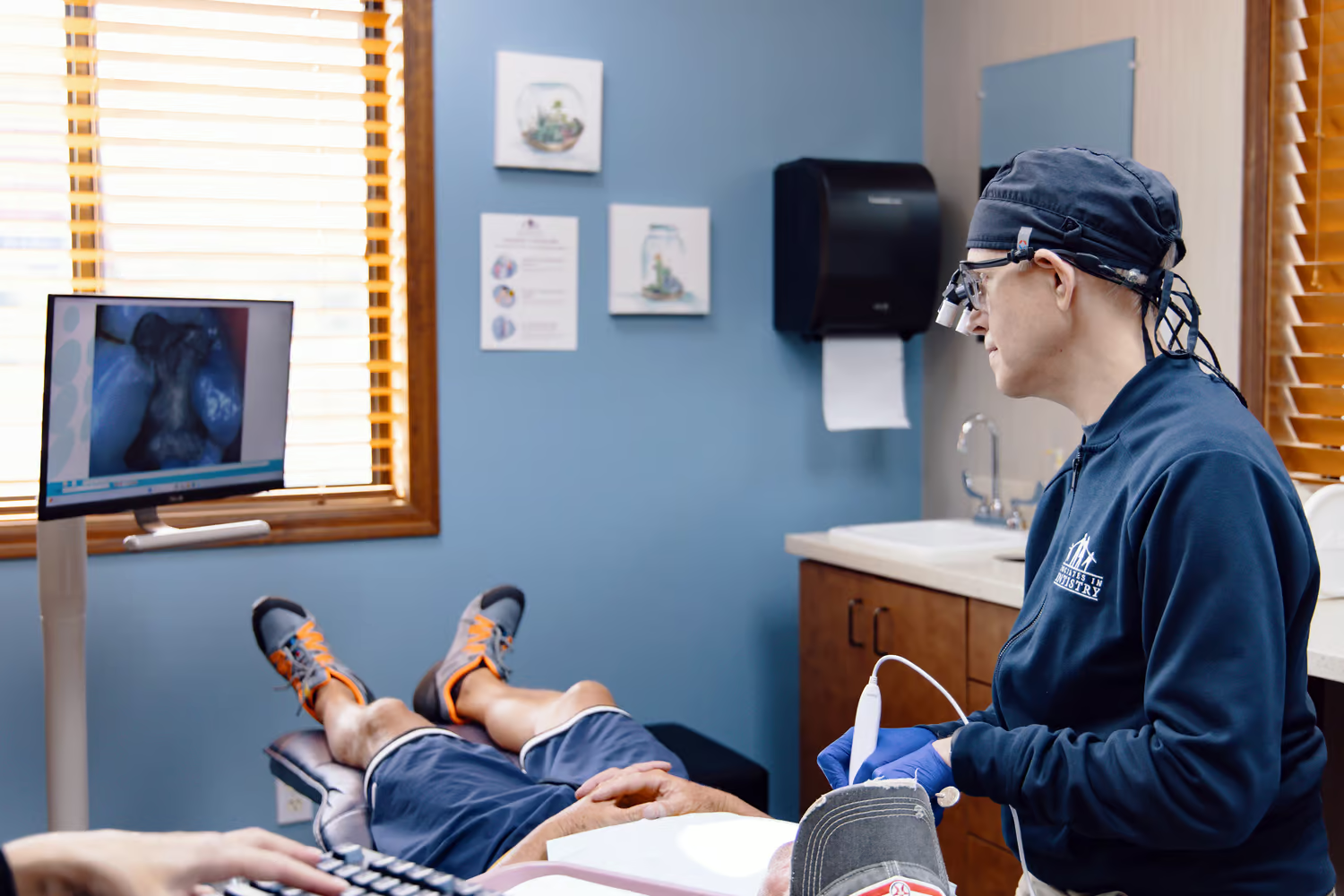
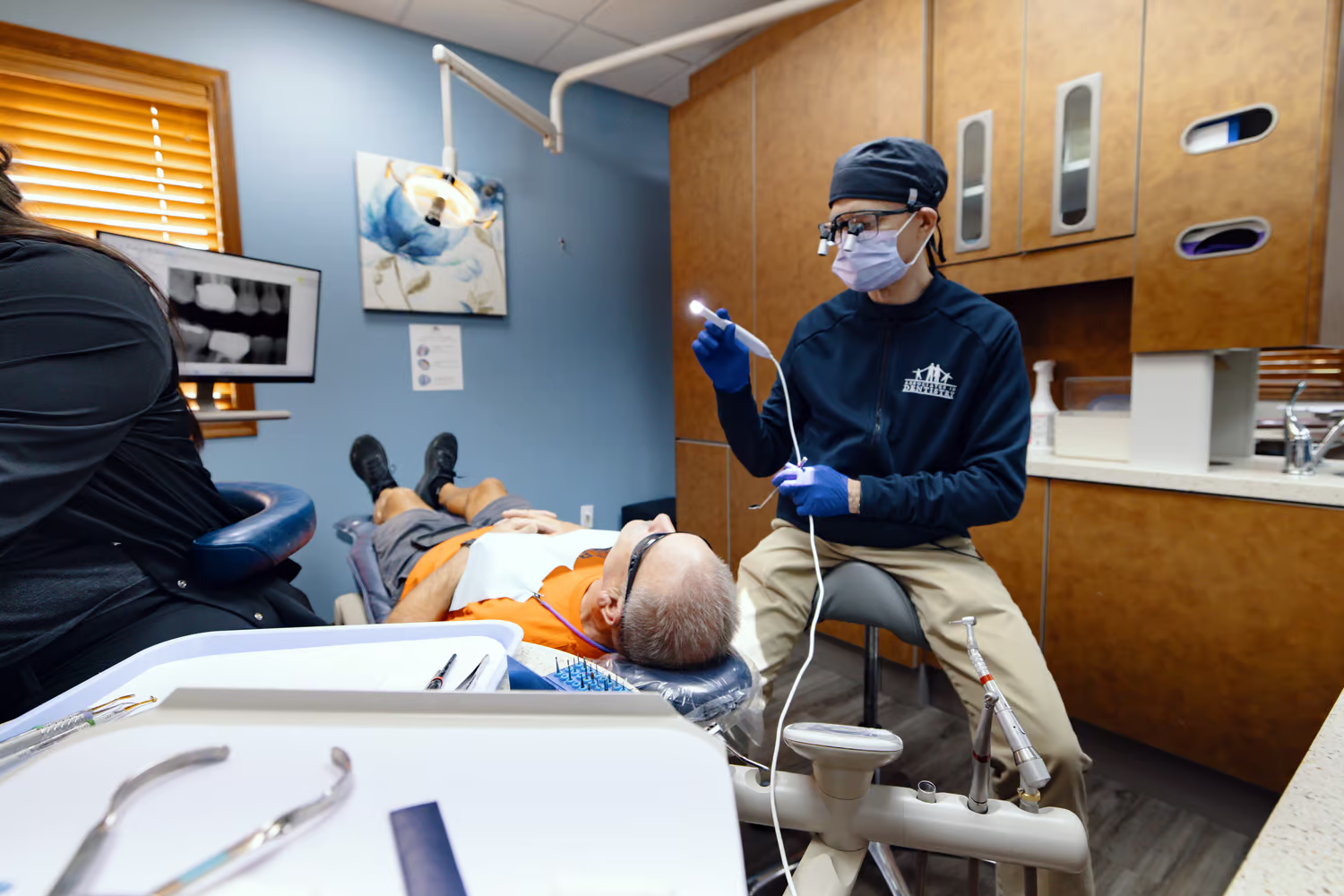
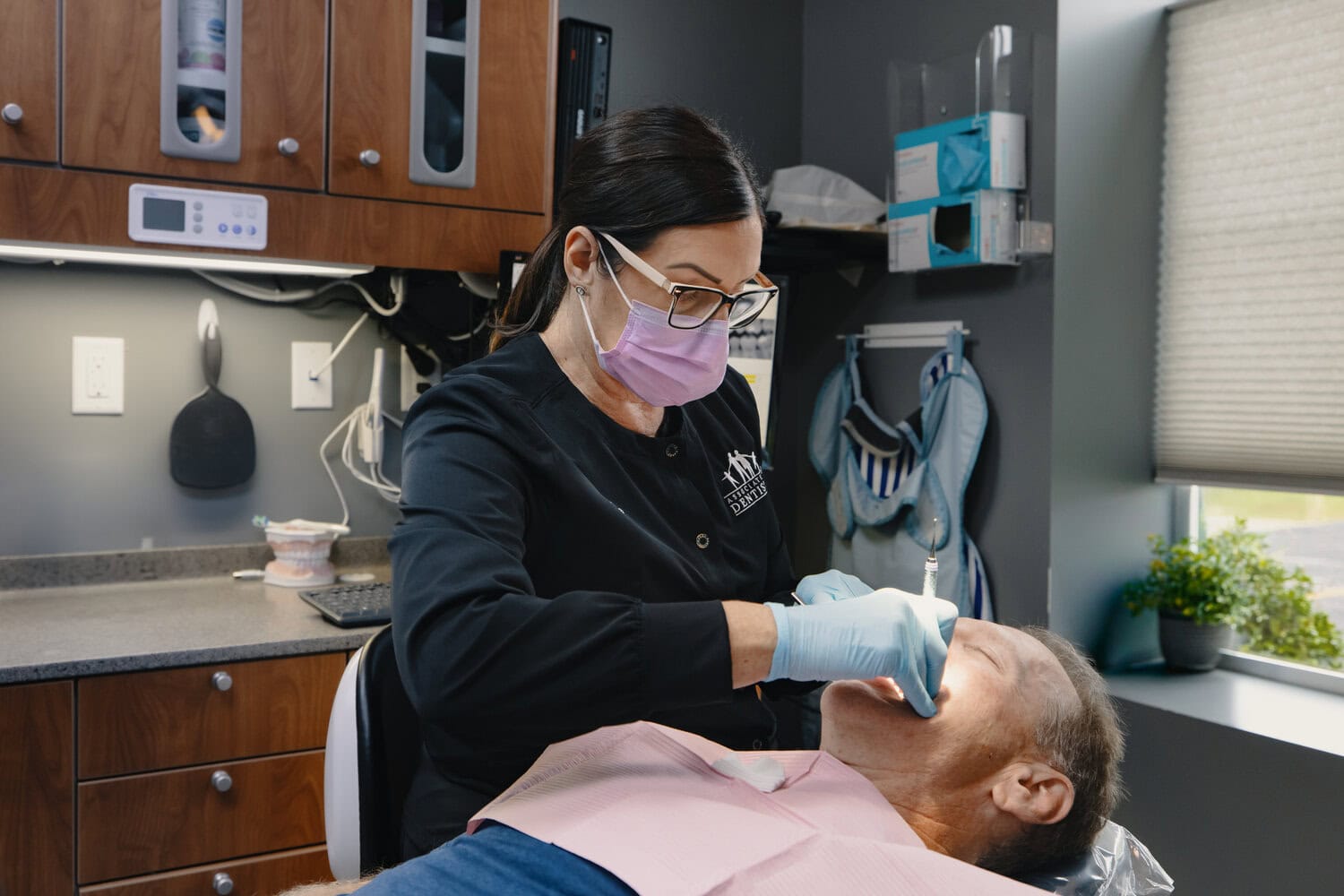
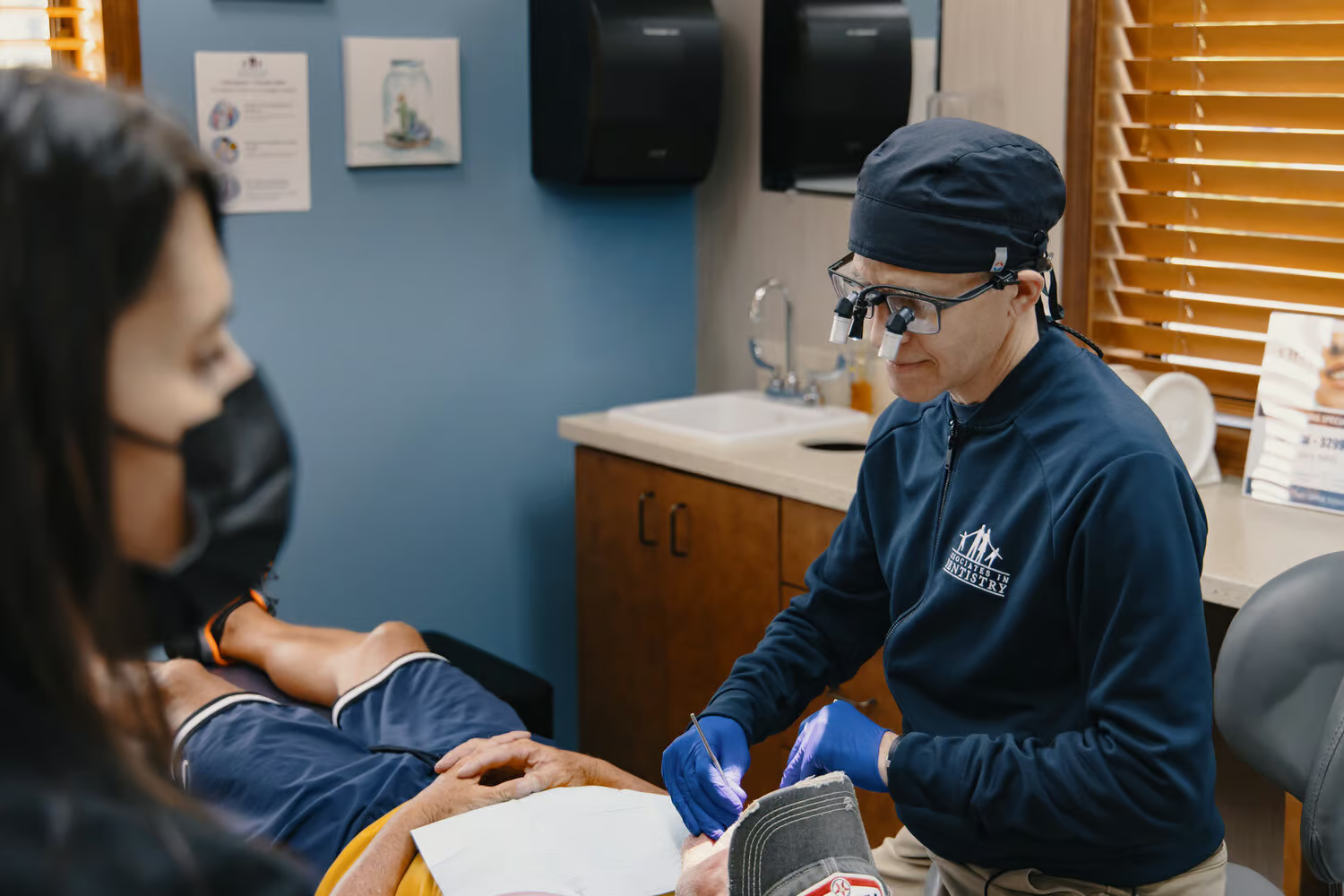
A dental exam is often the best place to start if you’re new to the area, haven’t visited a dentist lately, or have a concern you can’t explain. During a dental exam, we check your teeth, gums, bite, and jaw. We also look for signs of decay, damage, gum problems, and changes that may need a closer look.
A dental exam and a dental cleaning aren’t the same service. The exam is the part where the dentist studies your oral health and decides what care may be needed. A cleaning removes plaque and tartar. They’re often scheduled together, but each has its own purpose.
This is the step people sometimes overthink. You don’t need to know the name of the treatment before you come in. You can explain what you feel, when it started, and what seems to make it better or worse. The dental exam helps us sort out the rest. It can also find quiet problems before they start causing pain or affect more of the tooth.
Learn more about Dental Exams in Bartonville.
Dental Cleaning Keeps Teeth and Gums Healthy
Brushing and flossing at home do a lot, but they can’t remove every deposit that forms on your teeth. A dental cleaning clears away plaque and hardened tartar from spots that are hard to reach. It also gives us a chance to check how your gums respond during the visit.
A routine dental cleaning may include:
- Removing plaque and tartar from tooth surfaces
- Cleaning around the gumline
- Polishing the teeth
- Reviewing brushing and flossing habits
Many patients schedule a dental cleaning with a dental exam. The dental cleaning handles buildup, while the dental exam checks for oral health concerns. Pairing them can give you a clear picture of where things stand.
A dental cleaning is also a good time to ask about bleeding gums, tender spots, or areas that always seem to collect food. Small changes to your home routine can sometimes make daily care feel much simpler. The goal isn’t to lecture you. It’s to help you keep your teeth and gums as steady as possible between visits.
Learn more about Dental Cleaning in Bartonville.
Dental Crowns Restore Damaged Teeth
A cracked, worn, or heavily filled tooth may need more support than a filling can provide. A dental crown covers the visible part of the tooth. It helps protect weakened tooth structure while restoring the tooth’s shape and function.
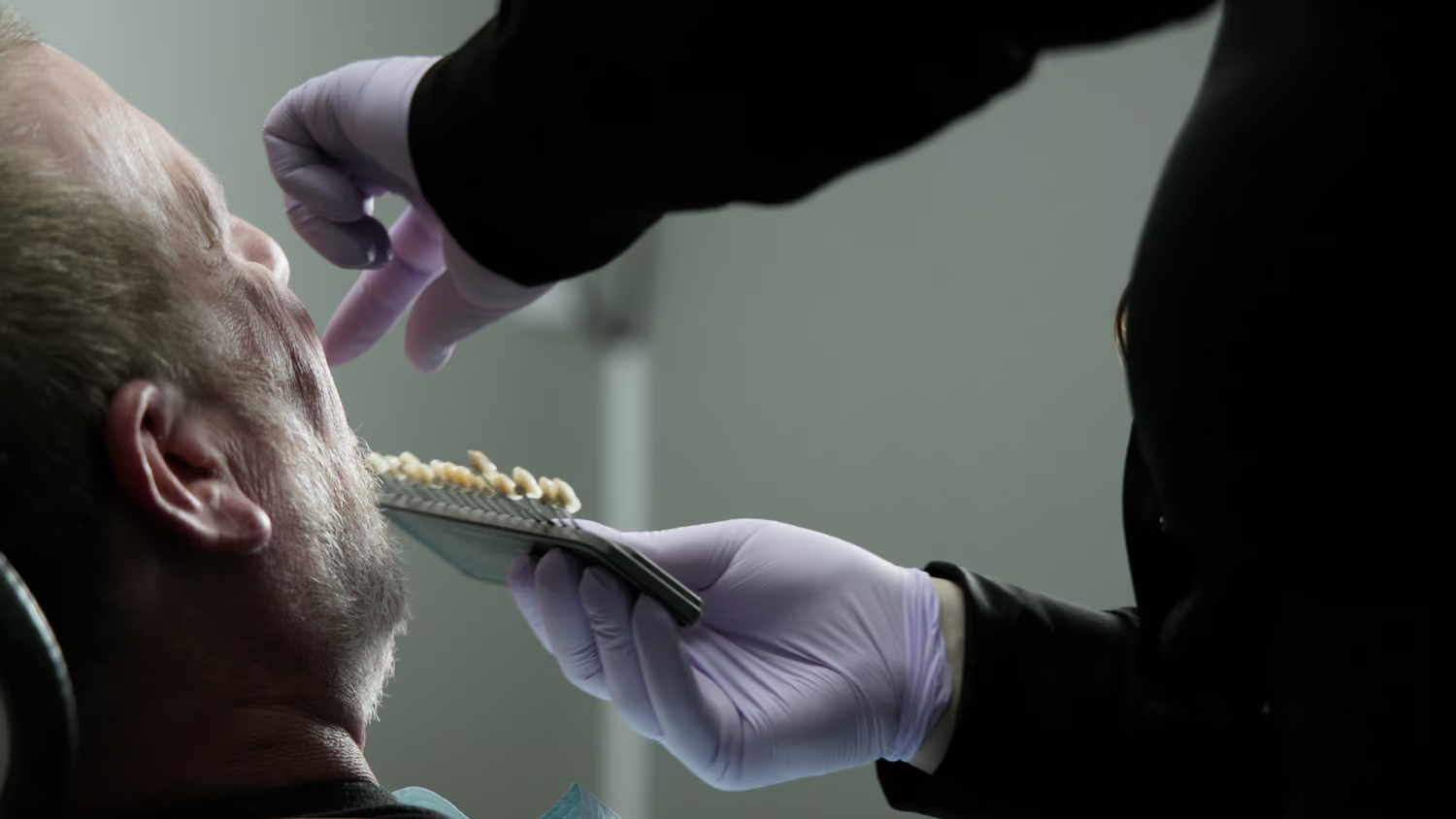
You may need a dental crown if part of a tooth has broken, a large filling is failing, or the tooth has become too weak for a smaller repair. The dentist first checks how much healthy tooth structure remains. That evaluation helps show whether a dental crown is a good fit or another service makes more sense.
Dental Crowns and Same-Day Crowns are closely related, but they describe different things. Dental Crowns are the restorations themselves. Same-Day Crowns describes how a crown is made and placed, often during one visit with an in-house mill.
A crown can improve how a damaged tooth handles everyday biting and chewing. It may also restore a more natural tooth shape. The full service page explains when crowns are used and what you can expect from the visit without turning this overview into a long procedure guide.
Learn more about Dental Crowns in Bartonville.
Same-Day Crowns Skip the Second Visit
Want to finish your crown without wearing a temporary or returning for a second appointment? Same-Day Crowns may fit that need. The office uses an in-house mill to support same-day crown fabrication.
Same-Day Crowns refers to the delivery method, not a separate kind of dental repair. The dental crown still covers and protects a damaged tooth. The key difference is that the crown can be designed, made, and placed during the same visit when the tooth and treatment needs are a good match.
This option can be helpful if your work, family, or travel schedule makes repeat visits hard. It also avoids the period of caring for a temporary crown while a final crown is made elsewhere. Not every tooth or situation is the same, so the dentist will first examine the tooth and explain whether a same-day approach is suitable.
The important part is choosing the right restoration, not rushing the decision. Once the tooth has been checked, we can explain the next step in plain language.
Learn more about Same-Day Crowns in Bartonville.
Root Canals Relieve Infected Tooth Pain
Tooth pain that lingers or keeps returning can come from infection or inflammation inside the tooth. A root canal removes the affected tissue from inside the tooth. The space is then cleaned and sealed so the natural tooth can stay in place when possible.
Signs that may lead to a root canal evaluation include:
- Strong or lingering tooth pain
- Sensitivity that doesn’t fade quickly
- Pain when biting or chewing
- Swelling or tenderness near a tooth
These signs don’t confirm that you need a root canal. A dental exam is needed because cracks, bite problems, and other concerns can cause similar symptoms.
A root canal and a dental crown also serve different jobs. The root canal treats infection or inflammation inside the tooth. A dental crown may be used afterward to cover and protect the treated tooth. Root canals are done in-house here.
If you’re dealing with tooth pain, don’t worry about naming the problem yourself. Tell us what you’re feeling, and we’ll start with an evaluation. Learn more about Root Canals in Bartonville.
Composite Fillings Repair Cavities and Chips
Small areas of tooth decay or minor chips often need a focused repair. Composite Fillings use tooth-colored material to rebuild the damaged area. They restore the tooth’s shape and help keep decay from moving deeper into the tooth.
During an evaluation, the dentist checks the size and location of the damaged area. A Composite Filling may be a good choice when enough healthy tooth structure remains to support it. If the tooth has lost more structure, a Dental Crown may provide stronger coverage.
You might learn that you need a Composite Filling during a routine dental exam, even if the tooth hasn’t started hurting. You may also come in because a tooth feels rough, catches food, or has become sensitive. These clues can point to several concerns, so checking the tooth matters more than guessing.
In our view, smaller repairs are easier to understand when you can see the reason for them. We’ll explain where the problem is and why a Composite Filling may help. The goal is to repair the tooth while keeping as much sound tooth structure as the situation permits.
Learn more about Composite Fillings in Bartonville.
Oral Surgery Handles Extractions and Minor Procedures
Sometimes a tooth can’t be repaired and needs to be removed. Oral Surgery at our office covers extractions and other minor procedures that can be handled in a general dentistry setting. Keeping appropriate Oral Surgery in-house can spare you from arranging a separate visit at another office.
An evaluation comes first. We check the tooth, nearby tissue, and the reason for the procedure. If an extraction is needed, we’ll explain what the visit involves and how to care for the area afterward. If the case falls outside routine in-house Oral Surgery, the next step may involve care beyond the general dentistry setting.
It’s normal to have questions before Oral Surgery. Many people want to know how long the appointment may take, what they’ll feel, and what recovery may involve. Clear instructions matter here. We want you to know what to do before you leave the office, not sort it out once you get home.
Oral Surgery is about treating the current problem safely and planning what follows. If tooth replacement may be needed later, that can be discussed separately after the area has been evaluated.
Learn more about Oral Surgery in Bartonville.
Complete Dentures Replace a Full Arch of Teeth
Complete Dentures replace all teeth in the upper arch, lower arch, or both. They’re meant for an arch where no natural teeth remain. A Complete Denture restores a full row of teeth and supports everyday needs such as speaking, smiling, and chewing.
Complete Dentures aren’t the same as Partial Dentures. Complete Dentures replace an entire arch. Partial Dentures fill spaces while some natural teeth stay in place. The deciding factor isn’t simply which option you prefer. It starts with how many usable natural teeth remain.
Planning matters because your mouth, bite, and gum shape affect how a denture fits. We examine these areas and talk with you about your daily needs. You’ll also need clear guidance about placing, removing, and cleaning the denture.
A new Complete Denture can feel different at first. It takes time to get used to speaking and eating with it. That adjustment doesn’t happen on the same schedule for everyone. Asking questions early is better than trying to work around a sore spot or fit concern on your own.
Learn more about Complete Dentures in Bartonville.
Partial Dentures Fill Gaps Between Natural Teeth
If you’re missing several teeth but still have natural teeth worth keeping, Partial Dentures may fill those open spaces. A Partial Denture is removable and fits around the remaining teeth. It can restore missing tooth areas without replacing a full arch.
Partial Dentures differ from Complete Dentures because they work with natural teeth that remain. They also differ from Dental Bridges. Both services can replace missing teeth, but a Dental Bridge stays fixed in place. A Partial Denture can be taken out for cleaning.
The location of the gaps, the health of the remaining teeth, and the way your bite comes together all affect the plan. We’ll examine those details before discussing whether Partial Dentures fit your needs. This is one of those choices that sounds simple until you look at how each tooth supports the others.
Partial Dentures can help restore a fuller smile and give you more chewing surfaces. They also need regular home care. Cleaning the Partial Denture and the natural teeth around it helps protect the whole mouth.
Learn more about Partial Dentures in Bartonville.
TMJ/TMD Treatment Eases Jaw Pain and Clicking
Does your jaw click, ache, or feel hard to open? These symptoms may involve the temporomandibular joints, the joints that connect your lower jaw to your skull. TMJ/TMD Treatment starts with a dental evaluation of your jaw movement, bite, teeth, and symptoms.
Reasons to ask about TMJ/TMD Treatment include:
- Jaw pain or soreness
- Clicking or popping near the jaw joint
- Trouble opening your mouth fully
- Jaw tension linked to clenching or grinding
TMJ/TMD Treatment may include a night guard or bite adjustment to reduce strain on the jaw joint. The right approach depends on what’s causing the problem, so the exam matters.
TMJ/TMD Treatment and Sleep Apnea Treatment can involve some overlapping symptoms, but they address different main concerns. TMJ/TMD Treatment focuses on jaw joint pain, clicking, and movement. Sleep Apnea Treatment focuses on breathing interruptions during sleep. Some people may need both concerns evaluated, but jaw pain and sleep breathing problems shouldn’t be treated as the same issue.
Learn more about Sleep Apnea Treatment in Bartonville.
Learn more about TMJ/TMD Treatment in Bartonville.
Sleep Apnea Treatment Addresses Breathing Interruptions at Night
Snoring is common. Pauses in your breathing are different. Obstructive sleep apnea happens when the airway narrows or closes during sleep, and many people never notice it themselves. A partner often hears the gasp or the silence first.
Dentists are in a good position to notice the signs. Worn tooth surfaces, a sore jaw in the morning, and scalloped edges along the tongue can all point toward a breathing problem at night. They don’t prove sleep apnea, but they’re a reason to look closer.
Sleep Apnea Treatment at our office starts with a conversation and an exam. If a test makes sense, a home sleep test can show how often your breathing is interrupted. If obstructive sleep apnea is confirmed, a custom-made oral appliance is one option for some adults. It isn’t right for everyone, and some cases need a physician to lead. Dr. Landall Cormier can explain which path fits your results.
Learn more about Sleep Apnea Treatment in Bartonville.
Home Sleep Testing Checks Your Breathing From Your Own Bed
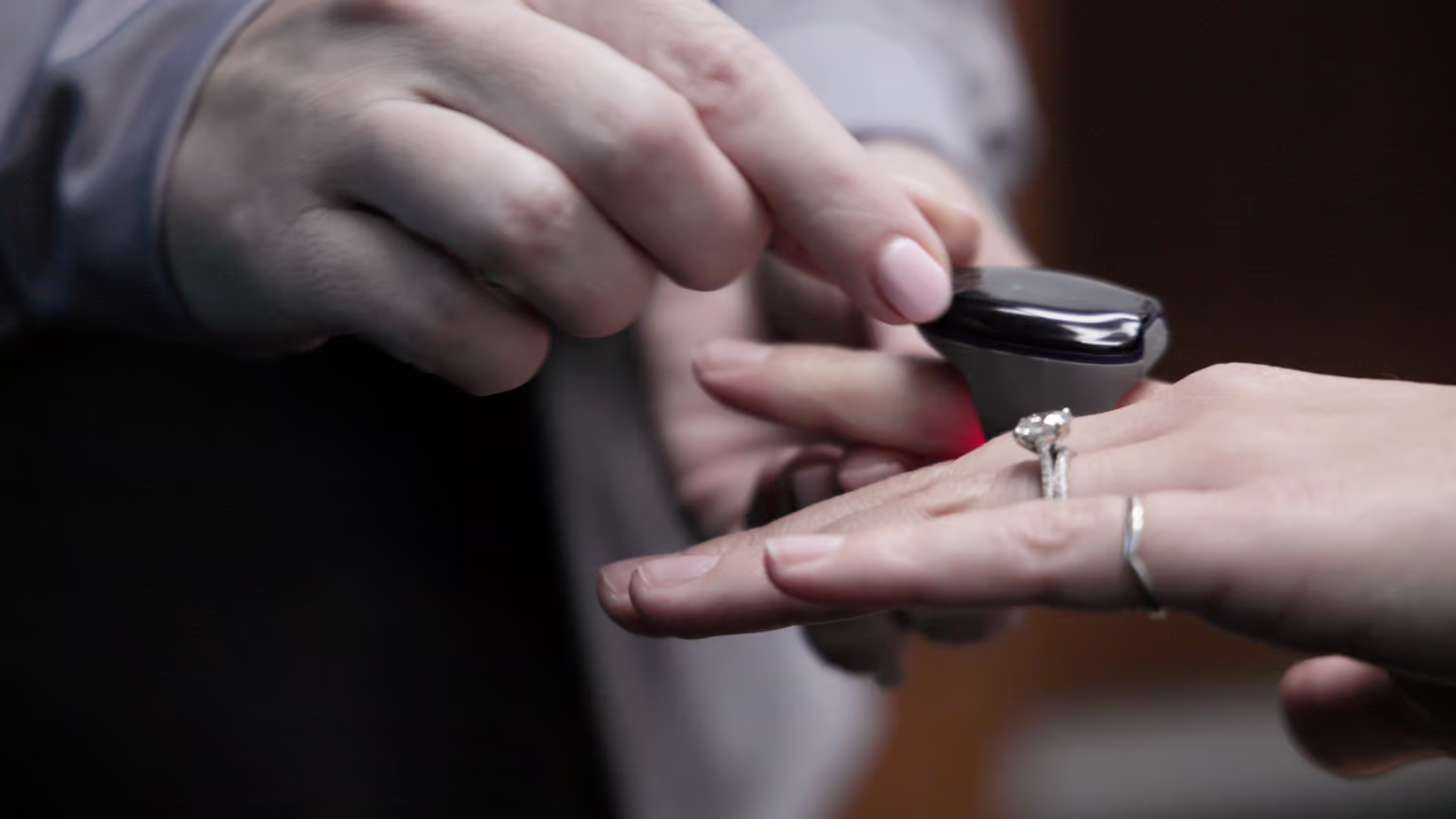
Many people put off a sleep test because they picture a night in a lab. Home Sleep Testing is a small ring you wear in your own bed for one night. It records breathing effort, blood oxygen, heart rate, and snoring.
It works best for adults who snore, wake up tired, or have been told they stop breathing in their sleep. It isn’t the right test for every sleep problem. Heart or lung disease, certain medicines, or symptoms that point to another sleep disorder may call for an overnight lab study instead, and we’ll say so.
A provider has to order the test, and the results are read before anyone recommends treatment. If the test shows obstructive sleep apnea, the next step can happen in the same office.
Learn more about Home Sleep Testing in Bartonville.
How do I know if I need a dental exam or a dental cleaning?
How often should I visit a general dentist in Bartonville?
What's the difference between a dental crown and a same-day crown?
When should I call a dentist instead of waiting out tooth pain?
Do I need to know which dental service I need before booking with your office?
What tools does your office use for general dentistry?
Every service below is offered at our Bartonville office, by the same team.