


A Missing Tooth Rarely Fixes Itself
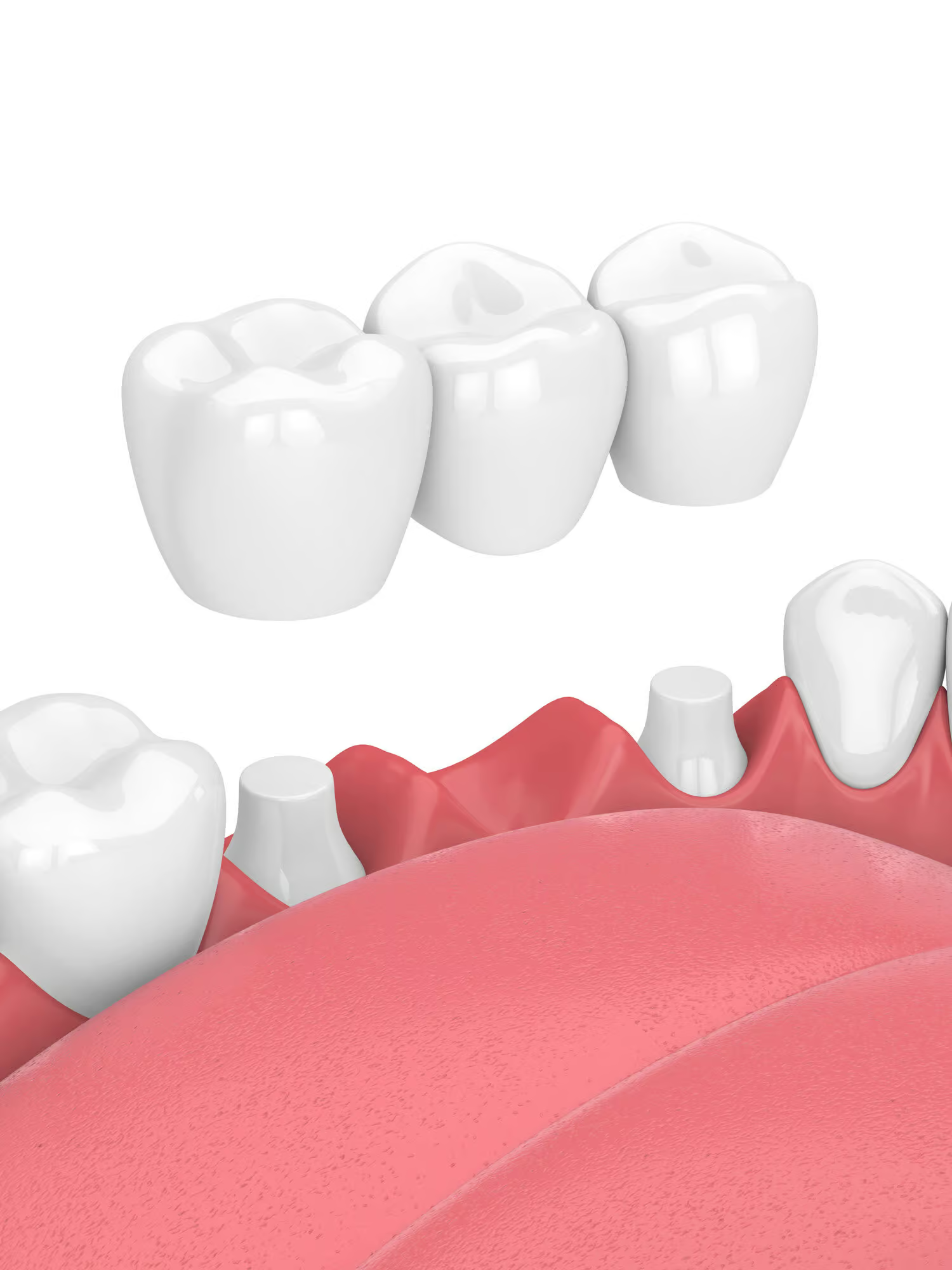
Dental Bridges in Bartonville aren't only about filling a visible gap. The point is simple: a well-timed dental bridge can help protect everyday function. The gap looks stable, your bite can keep changing. Nearby teeth may tip toward it. But those changes often happen quietly. At first.
A dental bridge is often easier to plan before the bite shifts further.
Not sure anything is changing? That's common. We often hear patients say they simply chew on the other side. And that workaround leaves one side doing more of the work. Soreness may come and go. So can gum irritation. We've seen small gaps become daily food traps.
Several signs deserve a closer look.
- Food packs into the space even after brushing or flossing.
- Your bite feels different when you close or chew.
- One tooth leans, the opposing tooth may move farther into the open space.
- You now avoid foods that once felt easy to chew.
You may have gotten used to chewing around it.
Sound support matters more than the gap's size. Our office offers Dental Exams to assess that support. During the exam, we check nearby teeth, gums, and how your bite meets. We may find the area isn't ready for a dental bridge yet. Decay or gum irritation may need attention first. But waiting without an exam won't settle that question. And not every missing tooth needs the same plan. That honest distinction matters to us.