


Signs You May Need a Partial Denture
Missing teeth don't always cause pain. Often, the first clue feels small. Food collects in a gap. One side gets tired while chewing. A gap may look small, the bite can still shift. We often find that people have adapted without noticing how much work their remaining teeth are doing.
- You avoid firm foods because chewing feels weak or uneven. And you may favor one side without thinking about it.
- Your remaining teeth seem to lean toward an open space. They may also feel different when your teeth meet.
- You notice new speech changes after losing teeth. Certain words may sound less clear, especially with front gaps.
- Your cheeks or lips look less supported near the missing teeth. The change can be slight, but you notice it in photos.
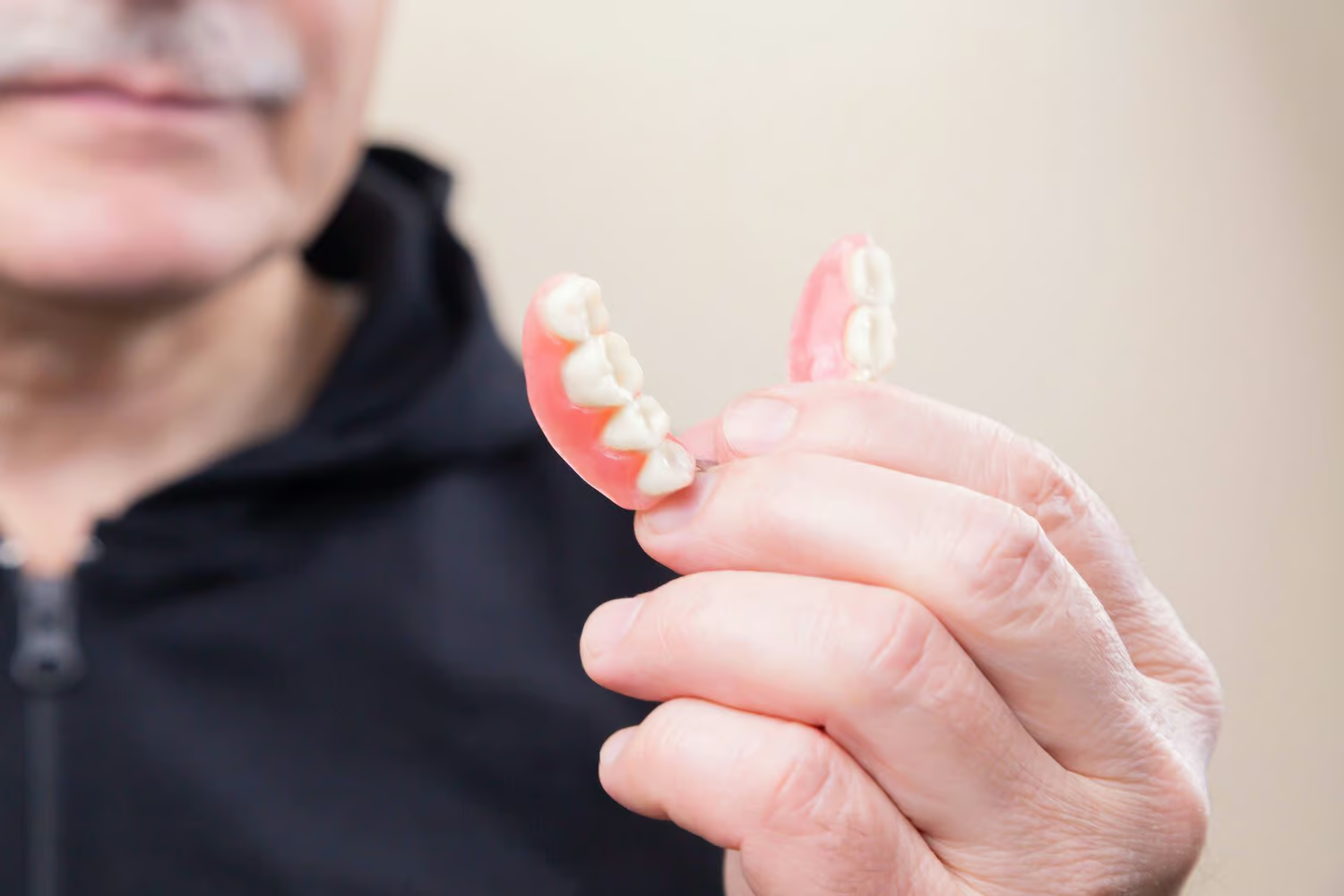
- An old partial denture rocks, pinches, or traps food. But don't keep forcing it into place, the fit needs checking.
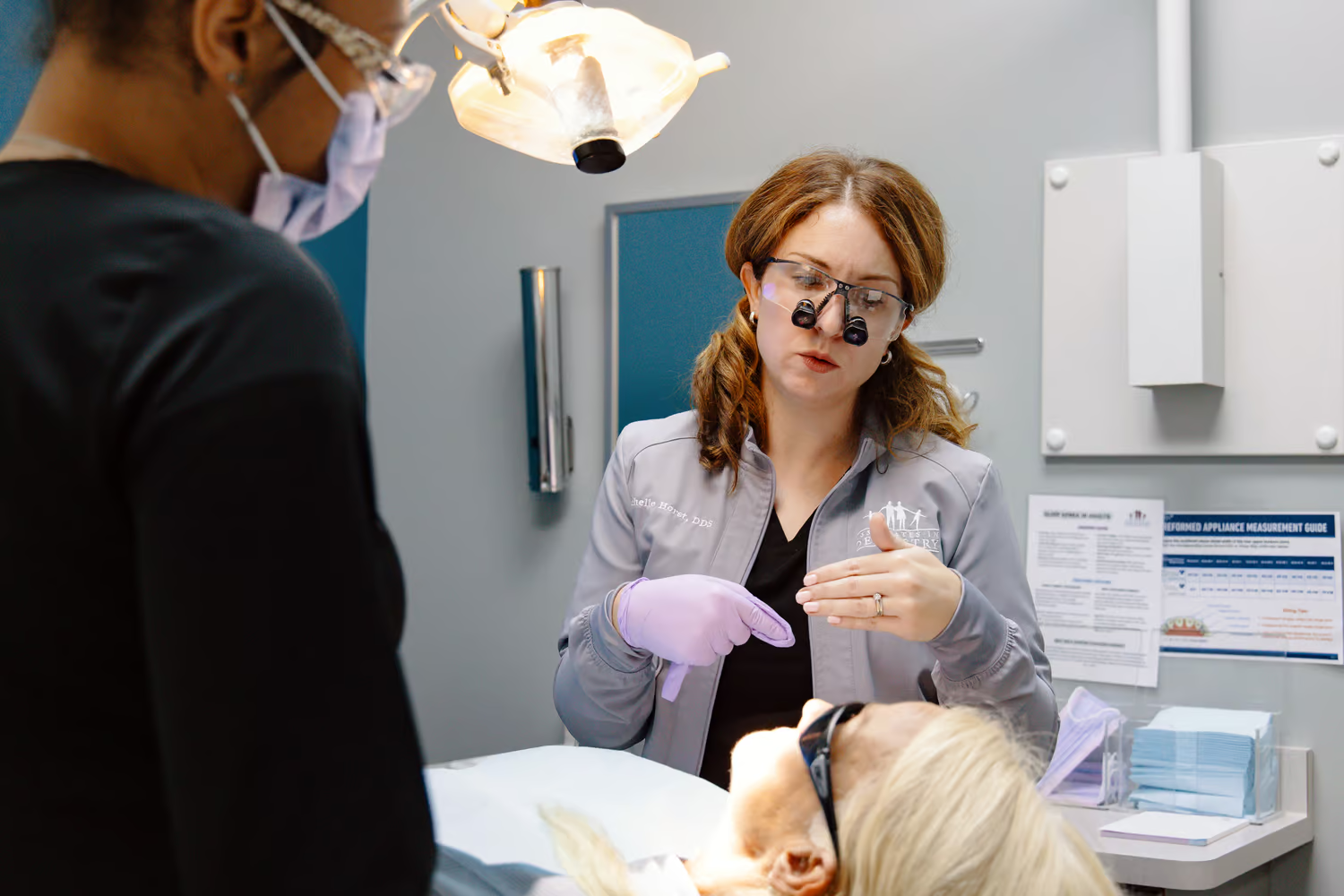
Not every open space needs partial dentures. A dental exam helps us check the gums, remaining teeth, and your bite. Your front teeth may look unchanged, the back teeth can still carry extra pressure. We also need to know why each tooth was lost. Decay, gum problems, and broken teeth can affect the plan. In some cases, Dental Bridges or Dental Implant Restoration may be worth discussing instead. The right choice depends on support, comfort, and your daily needs.
Here’s a common moment: you bite into a sandwich, then move every bite to one side. That’s worth bringing up. So is a tooth gap that keeps catching food. These details help us judge whether partial dentures can restore useful chewing without overloading your remaining teeth.