
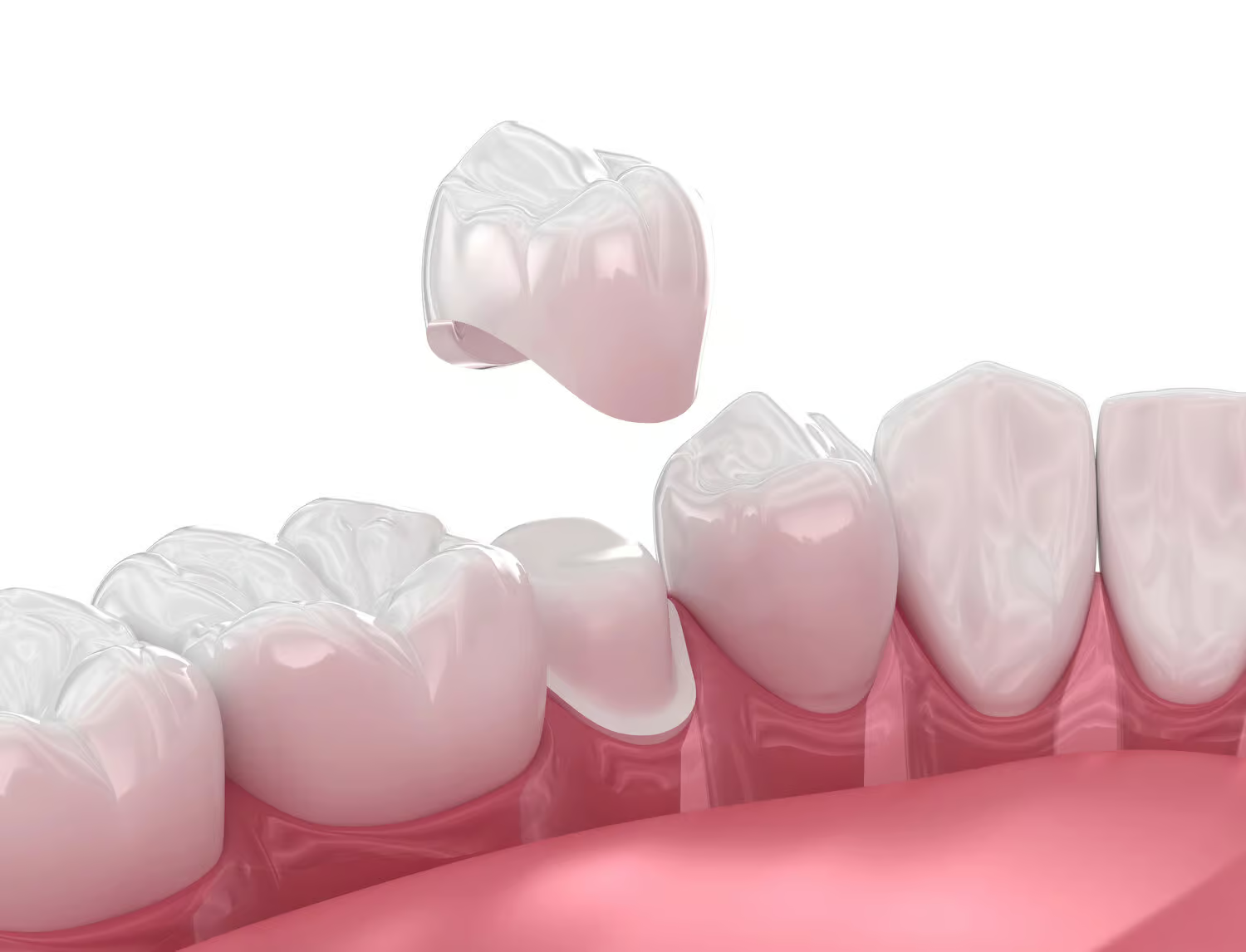


Illustration of a dental crown being placed onto a prepared tooth
Your family's dental home

Dental Crowns in Washington

Illustration of a dental crown being placed onto a prepared tooth
The short answer
Reviewed by our
Washington
doctors.
Dr. Dennis Burton, dentist at Associates in Dentistry in Washington
Dr. Jonathan Gifford, dentist at Associates in Dentistry in Peoria and Washington

A crown covers the visible part of a tooth that's too broken or weakened for a filling to support. A large area of damage, a crack or a tooth with an extensive old filling may be reasons to consider one. Crowns at our Washington office take more than one visit.

01

Signs a Cracked or Damaged Tooth Needs a Crown

A crown may make sense when a tooth is too broken or weakened for a small repair to support it. Pain when you bite, a missing piece of tooth, or a crack near a large old repair are clues, not proof. What matters most is how much sound tooth remains.

A tooth that hurts when you bite deserves a closer look, especially if the pain comes and goes or feels sharp when you let go. You might be able to chew on one side of the tooth but not the other. That pattern can happen with a crack, even when you can't see one in the mirror. Pain by itself doesn't tell us that you need a crown. It tells us that the tooth needs to be checked before you choose a repair.

A visible break gives you another clue. Maybe a corner came off while you were eating, or you can feel a new rough edge with your tongue. Look at how much tooth is missing, not just how noticeable the chip looks. A small chip on the edge of a tooth may need only a small repair. When a larger part of the tooth is gone, a crown may be worth considering because it covers the remaining tooth rather than patching one spot.

Pay attention to a tooth with a large old repair, too. If a piece breaks away beside it, the tooth left around that repair may be thin. Even if the broken spot looks small from the outside, there may not be enough strong tooth to support another patch. That's one reason the same-looking chip can call for a different answer on two different teeth.

Cold or heat sensitivity can happen with a damaged tooth, but it isn't a crown test. Neither is a line you can see on the tooth. Some lines are shallow, while others may be part of a more serious break. It's hard to judge their depth by looking. If you've noticed a change, it helps to remember when it started and whether biting, temperature, or a particular spot sets it off. Those details help describe the problem, but they don't replace an exam.

The deciding question is whether the tooth has enough sound structure for a smaller repair or needs the broader coverage of a crown. A crown won't be the right answer for every crack or broken tooth. Dr. Dennis Burton and Dr. Jonathan Gifford offer dental crowns at our office on Peoria Street. The signs you notice are a good starting point for that decision, not a diagnosis you have to make on your own.
02

When a Crown Is Not the Right Fix

A crown isn't the right fix just because a tooth looks worn or has started to bother you. It covers a tooth, but it can't solve every problem with that tooth. The better question is what needs fixing and whether enough healthy tooth remains to support a crown.

If you're unhappy with a tooth's color or shape, but the tooth is otherwise sound, a crown may be more treatment than you need. Covering the whole tooth is a different choice from changing how one part of it looks. The same goes for a small damaged area that still has plenty of strong tooth around it. A smaller repair may make more sense. You shouldn't have to choose a crown based only on how noticeable the spot is when you smile.

A crown also won't make a toothache go away if the source of pain hasn't been worked out. Pain can come from the tooth itself, the tissues around it, or the way your teeth meet. Covering the tooth without knowing what hurts risks solving the wrong problem. If there's a problem inside the tooth, that needs its own answer. A crown may or may not be part of the plan afterward.

Sometimes the concern is whether a crown could stay on the tooth at all. A break that extends too far below the gumline, or damage that leaves too little sound tooth, can make a crown a poor choice. A crown needs a stable tooth beneath it. It can't replace a missing tooth by itself, and it can't hold together a tooth that can't support it. That's a hard answer to hear when you want to save the tooth, but it's better than counting on a repair that doesn't fit the damage.

Our general dentistry in Washington includes looking at whether a crown fits the problem or a smaller repair makes more sense. You can ask what part of the tooth needs coverage, what sound tooth would support the crown, and whether something else needs attention first. Those answers matter more than choosing a treatment by name. If the tooth doesn't need a crown, or a crown can't do the job, it's worth knowing that before you make a decision.

03

Why a Full-Service Office Matters for Crown Decisions

A crown decision can be part of a bigger question about your tooth. At Associates in Dentistry in Washington, dental crowns are one of several services available. That matters when you're trying to understand the whole problem, not just the broken or sore spot you can feel. The right repair depends on what the tooth needs and what's going on around it. Having other dental services at the same office gives you room to ask about those pieces before you decide on a crown.

A dental exam is a place to start if you don't yet know what's causing the trouble. Composite fillings are available when the question is whether a smaller repair will do. If you've been told there may be a problem inside the tooth, root canals are also among the services offered at our office. Their availability doesn't mean you'll need one, or that a crown automatically follows. They're separate decisions, and it's fair to ask what each would address.

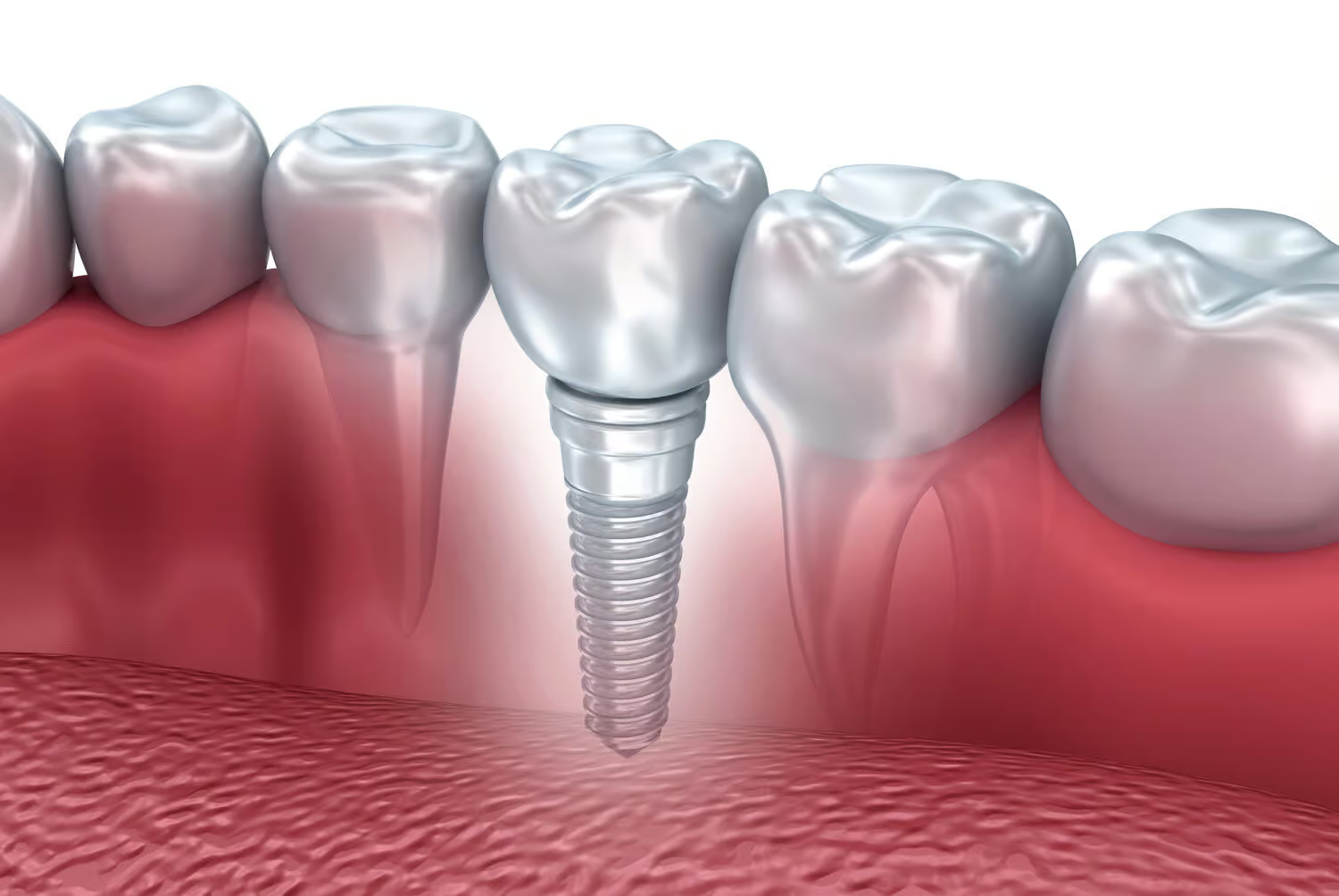
Missing teeth raise a different question. A crown on a tooth you still have isn't the same thing as replacing a tooth that's gone. Dental bridges are another service offered here, so you can ask how a missing tooth affects the choices you're considering. The office also offers implant restoration. That means completing the tooth that attaches to an implant. Implant placement isn't offered at this office, so if you're discussing a plan that involves an implant, ask which parts of that plan would happen here.

Your gums deserve attention in the conversation, too. Periodontal treatment is available at this office, but having that service on the list doesn't tell you whether you need it. What matters is knowing if there's more than one concern to address and what each part of a proposed plan is meant to do. You can ask, in plain words, what problem the crown would solve and whether anything else needs its own answer. That helps keep one treatment from standing in for an explanation of the whole plan.

Dr. Dennis Burton and Dr. Jonathan Gifford staff our office at 300 Peoria St. Dr. Burton has been with the practice since 1988. If you're weighing a crown, you don't need to arrive knowing which service to ask for. Bring what you've noticed and any questions you have about the proposed repair. The useful outcome is a clear reason for the choice, including how it fits with any other dental needs you may have.

Wondering if that tooth needs a crown?
04

What to Expect From Exam to Final Crown

From the exam to the final crown, you should know why a crown is being recommended, what your plan involves, and how you'll know whether the finished crown feels right. You don't need to arrive with those answers. You do need room to ask for them before the work begins.

At the exam, bring up what you've noticed: a rough edge, pain when you bite, or a tooth that feels different from the others. If you've had work done on that tooth before, say so. The question to settle is what the crown is meant to protect and whether anything else needs attention first. Ask to have that explained in plain words. It's easier to make a choice when you can point to the problem the treatment is meant to solve.

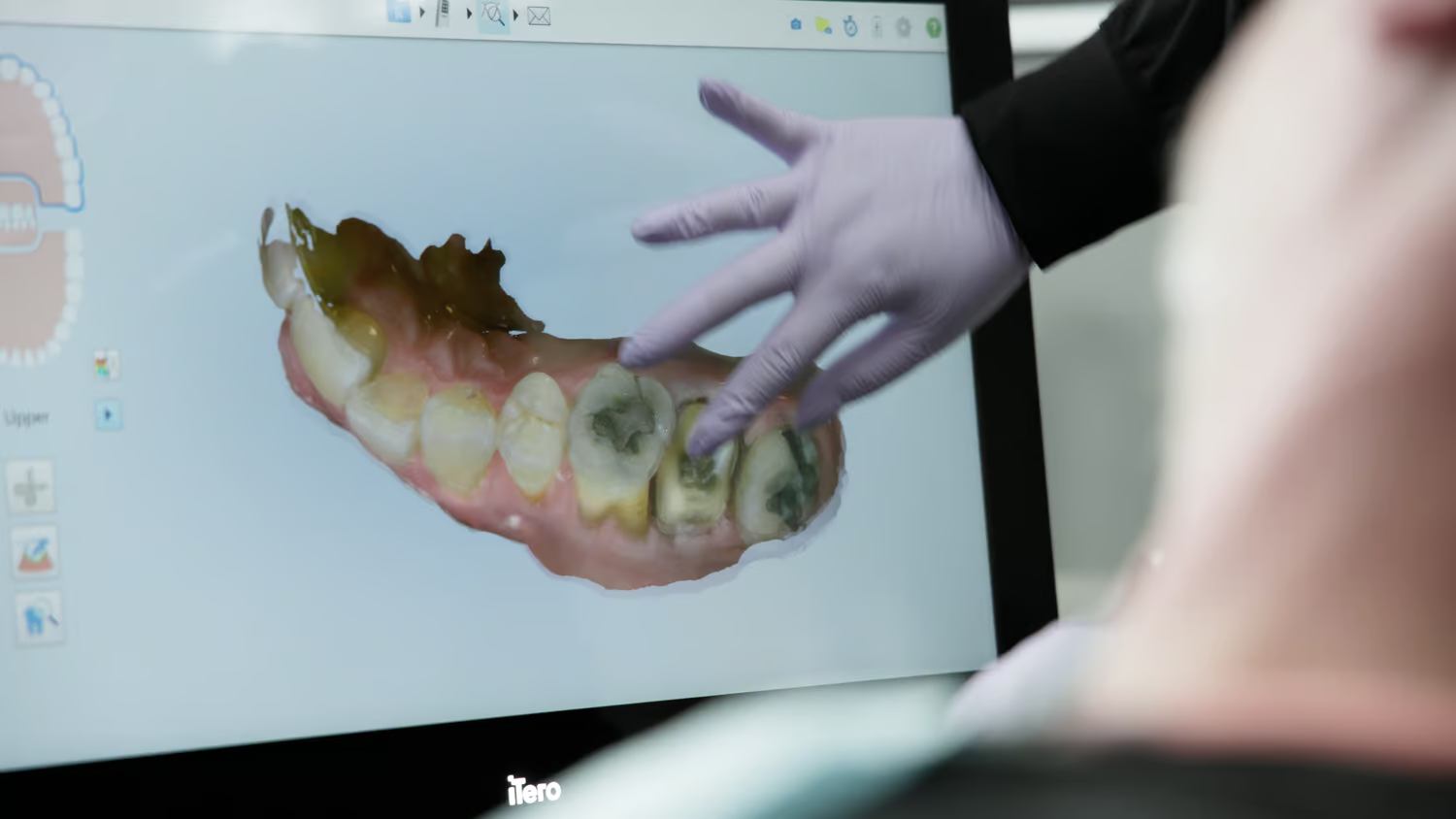
Before you schedule the work, ask what your particular plan will require. Our office doesn't offer same-day crown milling, so don't assume you'll leave with a finished crown on the day work begins. Confirm how many appointments to plan for, whether a temporary crown is part of your plan, and when you can expect the final one. If you have a trip or another commitment coming up, mention it before choosing appointment dates.

It's also fair to ask what choices you'll make about the crown itself. If you're concerned about how it'll look, say that early, especially if the tooth shows when you smile. If your concern is chewing comfortably, say that too. You can ask what the proposed crown is intended to do for your tooth and what tradeoffs matter in your case. You shouldn't have to guess which details are worth mentioning.

When the final crown is ready, pay attention to how it feels as well as how it looks. Tell the dentist if your bite feels different or an edge bothers you. Don't feel you have to call something comfortable just because you can close your teeth together. Ask how the fit will be checked and what to do if you notice a concern after you leave.

If someone has already recommended a crown and you're unsure about the next step, bring the recommendation with you if you have it. You can ask what still needs to be confirmed and what the appointment plan would be for your tooth. That way, you can decide with a clear picture of the work ahead, rather than agreeing to a treatment name alone.

05

How Crown Costs and Insurance Typically Work

The cost of a crown depends on the tooth and the work needed to restore it. The crown material can affect the fee. So can work needed to give the crown a sound base. That's why a price you've heard from someone else may not tell you much about your tooth. Once a crown has been recommended, ask for an estimate that separates the crown from any other proposed work. You'll be able to see what each charge is for.

Associates in Dentistry moved to a fee-for-service model in August 2024 and accepts and bills most insurance plans. That doesn't tell you what your own plan will pay for a crown. The practice isn't in-network with any plan, but we'll file your claim and help you understand your estimated benefits. Check those details before you rely on an insurance estimate.

Dental plans may pay part of a crown fee, but their rules differ. Your share can depend on your deductible, the plan's yearly benefit limit, and how much of that limit you've already used. Some plans have waiting periods or rules about replacing an older crown. A plan may also calculate its payment using an allowed amount that's different from the dentist's fee. Even when a crown is covered, "covered" doesn't mean the plan pays the full bill.

If you have insurance, keep your plan details handy when you request an estimate. Ask what your plan shows for crown coverage on this tooth, whether a deductible applies, and whether there's enough of your yearly benefit left. If the tooth already has a crown, ask whether a replacement rule applies. These questions are more useful than asking only, "Do you take my insurance?" A practice can work with a plan while your benefits still leave you with a significant share to pay.

Before you commit, ask which charges are included in the estimate and which could change if the tooth needs more work. Also ask who submits the insurance claim, whether the plan pays the office or reimburses you, and when your portion is due. Don't assume the answer from the words "fee-for-service." Those details matter to your budget, and they're worth confirming for your plan.

An insurance estimate is a planning tool, not a promise of payment. The final amount depends on how your plan processes the claim. If the numbers don't make sense, ask to go through the proposed charges and the expected benefits before you decide. You should know what you're agreeing to, both for your tooth and for your budget.

FAQ

Answers to the most common questions.

Something else on your mind?
Call us at (309) 444-8481.

Can a tooth be too far gone for a crown to help?

Yes, a tooth can reach a point where a crown won't save it. If a break runs too far below the gumline, or too little sound tooth is left, a crown has nothing stable to attach to. Waiting too long after a crack or break appears raises this risk, since damage can spread further into the tooth over time. That's why it's worth having a changed or damaged tooth checked sooner rather than later.

Is it better to pull a tooth or get a crown?

It depends on how much healthy tooth is left to support a crown. A crown can save a tooth when enough sound structure remains underneath it. But if the damage goes too deep or too little tooth is left, a crown won't hold, and pulling the tooth may be the more realistic option. This is exactly the kind of judgment call worth getting checked in person, since the same-looking break can have different answers on different teeth.

What does a dental crown do?

A crown covers the visible part of an existing tooth. It can restore the tooth's shape and help protect it when a smaller filling would not provide enough support.

How do I know if I need a crown?

A dentist needs to examine the tooth. Cracks, extensive decay, a large old filling, or a tooth that has had a root canal can all be reasons a crown may be considered.

Can a crown be used after a root canal?

Often, yes. A crown may be recommended after a root canal to protect the treated tooth, depending on how much tooth structure remains.

Is a crown the same as a filling?

No. A filling repairs a smaller damaged area within a tooth. A crown covers the tooth when more structure needs protection.

Request an appointment

Call us at (309) 444-8481

Tell Us About Yourself

Are you new to Associates in Dentistry?

Preferred Day and Time (optional)
Thank you! Your submission has been received!

That didn't go through. Please try again, or call your office.