



Dentist wearing magnifying loupes and gloves in a treatment room
Your family's dental home

Emergency Tooth Extraction in Washington

Dentist wearing magnifying loupes and gloves in a treatment room
The short answer
Reviewed by our
Washington
doctors.
Dr. Dennis Burton, dentist at Associates in Dentistry in Washington
Dr. Jonathan Gifford, dentist at Associates in Dentistry in Peoria and Washington

A tooth may need to come out when there isn't enough healthy tooth or supporting structure left to repair it. A severe crack, extensive decay or a tooth that can't be restored can all lead to extraction. Severe pain by itself doesn't mean a tooth needs to be removed.

01

Signs a Tooth Emergency Needs Extraction Right Now

A tooth usually needs to come out when there isn't enough healthy tooth, root, or bone left to hold it. A crack that runs below the gumline, a tooth that's very loose, or decay that has eaten away most of the tooth are the common signs. Bad pain on its own doesn't mean extraction, because many painful teeth can still be saved.

Emergency Tooth Extraction is the right call when a tooth can't be fixed and is causing pain or infection. That's the key question, and it's not always the one people expect. A tooth can hurt a lot and still be worth saving. A tooth can also look fine from the outside and be past repair underneath. Here's what tends to point toward removal.

The tooth split, and the break goes down past the gumline. A crack that runs into the root usually can't be sealed or crowned.

So much of the tooth broke off or decayed that nothing solid is left to hold a filling or crown.

The tooth moves when you touch it with your tongue or finger. Advanced gum disease can wear away the bone that holds a tooth in place.

There's an infection, and the tooth around it is too damaged for a root canal to work.

A wisdom tooth or crowded back tooth keeps getting swollen and sore, and it has nowhere to fit.

Some signs point the other way. If the tooth is mostly whole, if it hurts with hot or cold but isn't loose, or if a chip or lost filling left a sharp edge, there's often a good chance of saving it. A root canal can clear infection from inside a tooth. A crown can cover and protect what's left. Those options are worth hearing about before anything comes out.

You can't always tell which case you're in by looking in the mirror. Picture a back molar that broke while you were eating. One person sees a small piece missing and a tooth that feels a little rough. Another sees half the tooth gone and a dark spot near the gums. The first may need a filling or crown. The second may be past saving. An exam and an X-ray show what's going on below the surface.

That's why it helps to see a dentist who does both. At our office on Peoria Street, Dr. Dennis Burton and Dr. Jonathan Gifford offer root canals, crowns, and periodontal treatment along with extractions. So the answer you get doesn't depend on what the office happens to offer. If the tooth can be saved, we'll tell you how. If it can't, we'll tell you that plainly and take care of it. Dr. Burton has been with the practice since 1988, and that steady, straightforward approach is the same one you'll find today.

If you're not sure which group your tooth falls into, that's okay. You don't have to decide before you call. Tell us what happened, where it hurts, and what you see, and we'll help you sort out the next step.
02

When You Likely Don't Need an Emergency Extraction

A lot of tooth trouble feels urgent and still doesn't call for pulling anything. Here's when we'd tell you to hold off on an extraction, even if you came in asking for one.

The pain isn't coming from the tooth. A popcorn hull stuck under the gum can make a whole side of your mouth throb. A sinus cold can make your upper back teeth ache, because their roots sit close to the sinuses. A sore spot on your gum might be irritation, not a failing tooth. In each of these cases the tooth itself is fine. Pulling it wouldn't stop the pain.

A baby tooth is loose. Kids' baby teeth are supposed to loosen and fall out on their own. A wiggly baby tooth is usually just part of growing up, not a problem to solve.

A wisdom tooth is there but quiet. Some wisdom teeth come in fine. Others sit in place without swelling or pain. Not every wisdom tooth has to come out, and a quiet one isn't an emergency. It's something to keep an eye on at your regular exams.

Your teeth feel sensitive after whitening. Short-term sensitivity after whitening is common, and it usually fades. It isn't a sign that a tooth is failing.

The sore spot is under your denture. If you wear a partial or full denture and your gums hurt, the denture may not fit the way it used to. Your gums and jawbone slowly change shape over the years. A denture repair or reline is often the fix, not removing the teeth you still have.

Sometimes people ask us to just pull it. That makes sense when you've been hurting for days, or when saving the tooth sounds like more visits and more cost. Taking a tooth out can cost less up front. But it's permanent. The gap can let nearby teeth drift, and chewing on that side may get harder. Many people end up replacing the tooth later with a bridge, a partial denture, or an implant restoration, and that carries its own cost. If a tooth can be saved, compare both paths before you choose.

That's why our emergency dentistry in Washington includes dental pain treatment, not only extractions. The first job is to find out what's causing the pain. Sometimes that means a root canal or a crown. Sometimes it means a cleaning around an irritated gum, an adjustment to a denture, or simply learning there's nothing wrong with the tooth at all.

If one of these sounds like what you're dealing with, the most useful next step is an exam, not an extraction. You'll leave knowing what's going on, and nothing comes out that didn't need to.

03

Dentist vs. ER: Where to Go First

For most tooth emergencies, the dentist is the right first stop. That includes a broken tooth, a loose tooth, a bad toothache, or a tooth that might need to come out. The ER is for problems that put your breathing, your blood, or the rest of your body at risk.

Most people don't expect this part. Hospital emergency rooms usually don't have a dentist on staff. They can check you over, help with pain, and sometimes start an antibiotic. They usually can't fix the tooth or take it out. Most people who go to the ER for a toothache leave with a note telling them to see a dentist. That can mean a long wait and a bill, and the tooth still hurts.

Go to the ER, or call 911, if any of these are happening:

Swelling in your face or jaw makes it hard to breathe or swallow.

Swelling is spreading fast, up toward your eye or down into your neck.

You have a high fever along with a swollen, painful tooth or jaw.

Bleeding in your mouth won't slow down after steady pressure.

You took a hard hit to the face and your jaw may be broken, or you can't close your teeth together the way you normally do.

You were hurt in a fall or accident and may have other injuries, like a head injury.

These signs mean the problem has gone past the tooth. Get help for that first. Once you're stable, a dentist can take care of the tooth itself.

Call the dentist first for the more common problems. A tooth that cracked on a popcorn kernel. A molar that throbs and keeps you up at night. A tooth that feels loose. A small swollen bump on your gum that hasn't spread. These hurt, and they matter. But they're tooth problems, and a dental office has what it takes to find the cause and treat it.

Here's a quick way to think about it. Picture two people with a swollen jaw. The first has a sore lump near one back tooth and can eat, talk, and swallow fine. The second has swelling that's spreading toward the neck, and swallowing is getting hard. The first should call a dentist. The second should go to the ER now.

If you're somewhere in between and can't tell, call. Tell us what happened, where it hurts, and what the swelling looks like. If it sounds like something for the hospital, we'll say so plainly. If it's a tooth problem, you'll come to our office at 300 Peoria Street. Dr. Burton or Dr. Gifford will examine the tooth, take an X-ray, and tell you whether it can be saved or needs to come out.

Going to the dentist first also keeps your options open. A dentist can do more than pull the tooth. Here, that includes root canals, crowns, and periodontal treatment, so you may be able to keep a tooth you thought you'd lose. And if it does need to come out, the extraction can happen at the same place that will help you plan what comes next.

Think a tooth needs to come out? Call us today.
04

Why Antibiotics Alone Rarely Solve the Problem

Antibiotics can help with a tooth infection. They usually can't end it. They fight the germs that spread into your gums and jaw, which is why swelling often goes down and the throbbing eases. But the infection started inside the tooth or underneath it, and that's the part antibiotics have trouble reaching.

Here's why. Medicine travels through your blood. A healthy tooth has a small blood supply in the soft center, called the pulp. When decay or a deep crack lets germs get in, that pulp can die. Once it's dead, blood doesn't flow there anymore. The germs living inside the tooth are sitting in a spot the medicine can't get to well. They stay put, even while the area around them calms down.

That's how a lot of people end up going in circles. Picture someone with a swollen, aching molar on a Saturday. Urgent care gives them an antibiotic. By Tuesday the swelling is down and they're sleeping again, so it feels like the problem is over. A few weeks later, the same tooth starts to ache. Then the swelling comes back. Nothing about the tooth changed. The medicine just quieted things for a while.

Each time that happens, the infection has more time to work on the bone around the root. A tooth that might have been saved with a root canal the first time can lose more support and end up too far gone to keep. Waiting doesn't always make it worse fast, but it rarely makes it better.

To clear the infection, the source has to go. There are two ways to do that:

A root canal cleans the infected pulp out of the inside of the tooth and seals it, so you keep the tooth. A crown often goes on afterward to protect it.

An extraction removes the tooth along with the infection inside it. This is the answer when the tooth is cracked too deep, too loose, or too broken down to save.

Antibiotics still have a place. A dentist may prescribe them alongside treatment when infection has spread into nearby tissue or when your health history calls for it. In those cases they're a helper, not the fix. Your dentist will decide if you need them based on what the exam and X-ray show.

There's one more reason not to rely on them over and over. Taking antibiotics again and again for the same tooth exposes you to side effects, like an upset stomach. It also gives germs more chances to stop responding to the medicine. That makes it harder to treat an infection when you need antibiotics most.

If you're partway through a prescription and feeling better, that's good news. It means the infection is under control for now. It's also the best time to have the tooth looked at, while you're comfortable and before the next flare-up. Our team in Washington can tell you whether a root canal can still save the tooth or whether taking it out is the better choice.

05

What Happens During an Emergency Extraction Visit

Most of the worry before an extraction comes from not knowing what's next. An emergency visit usually has three parts. First the dentist finds out what's wrong. Then you talk through the options together. The tooth comes out only if that's the right call.

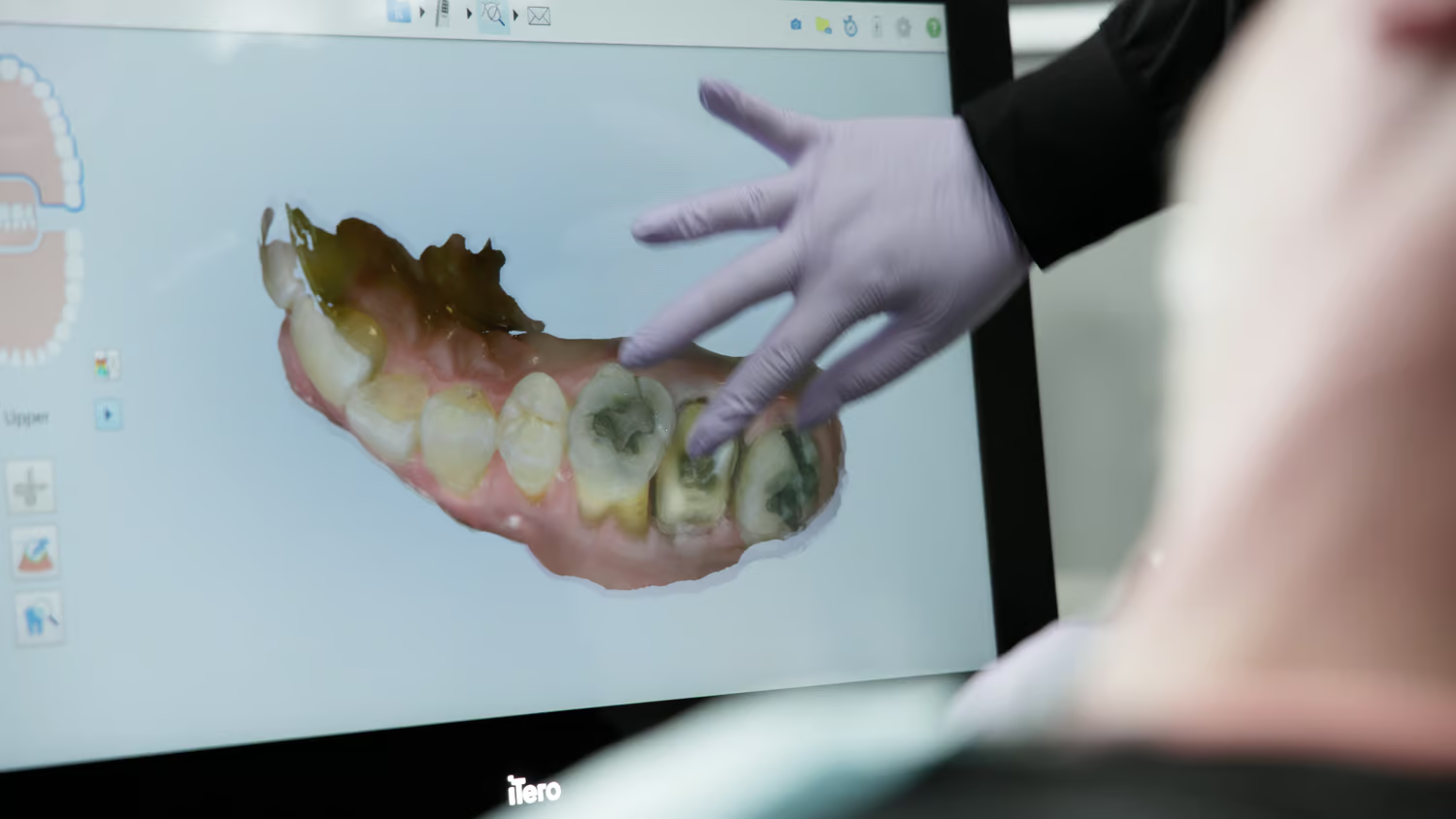
It starts with a close look at the tooth. The dentist checks how loose it is, how far a crack goes, and whether the gum around it is swollen or tender. An X-ray shows what you can't see in the mirror: the roots, the bone that holds them, and any infection near the root tip. This is where the save-or-remove question gets its answer.

Next comes a plain talk about what the dentist found. You should leave this part knowing what's wrong, whether the tooth can be kept, and what each choice means. It's fine to ask questions before anything happens. These are good ones:

Can this tooth be saved, and what would that take?

What happens if I wait?

Will this be a simple extraction or a surgical one?

If it comes out, what are my choices for filling the gap later?

What will my insurance likely cover?

Cost depends on a few things. A tooth that's still in one piece above the gum is usually simpler to remove. A tooth that broke off at the gumline, has curved roots, or sits under the gum takes more work. X-rays, treating an infection, and replacing the tooth later all add to the total. Our practice accepts and bills most insurance plans, so bring your card and we can help you see where you stand.

If the tooth does need to come out, the area gets numbed first. Most people feel pressure and some pushing, but not sharp pain. In a simple extraction, the dentist loosens the tooth and lifts it out. In a surgical extraction, the dentist may make a small opening in the gum or take the tooth out in pieces. That sounds like a lot, but it often makes removal easier on the bone around it. Oral surgery is one of the services at our office, so a tougher tooth doesn't automatically mean a referral somewhere else.

Before any of this starts, tell the dentist about every medicine you take, especially blood thinners, and any health conditions you have. That helps them plan safely.

Afterward, you'll bite on gauze to help a blood clot form in the empty socket. That clot protects the spot while it heals. You'll go home with care instructions from your dentist. Follow them closely, because they're written for your tooth and your mouth. The numb feeling wears off over the next few hours.

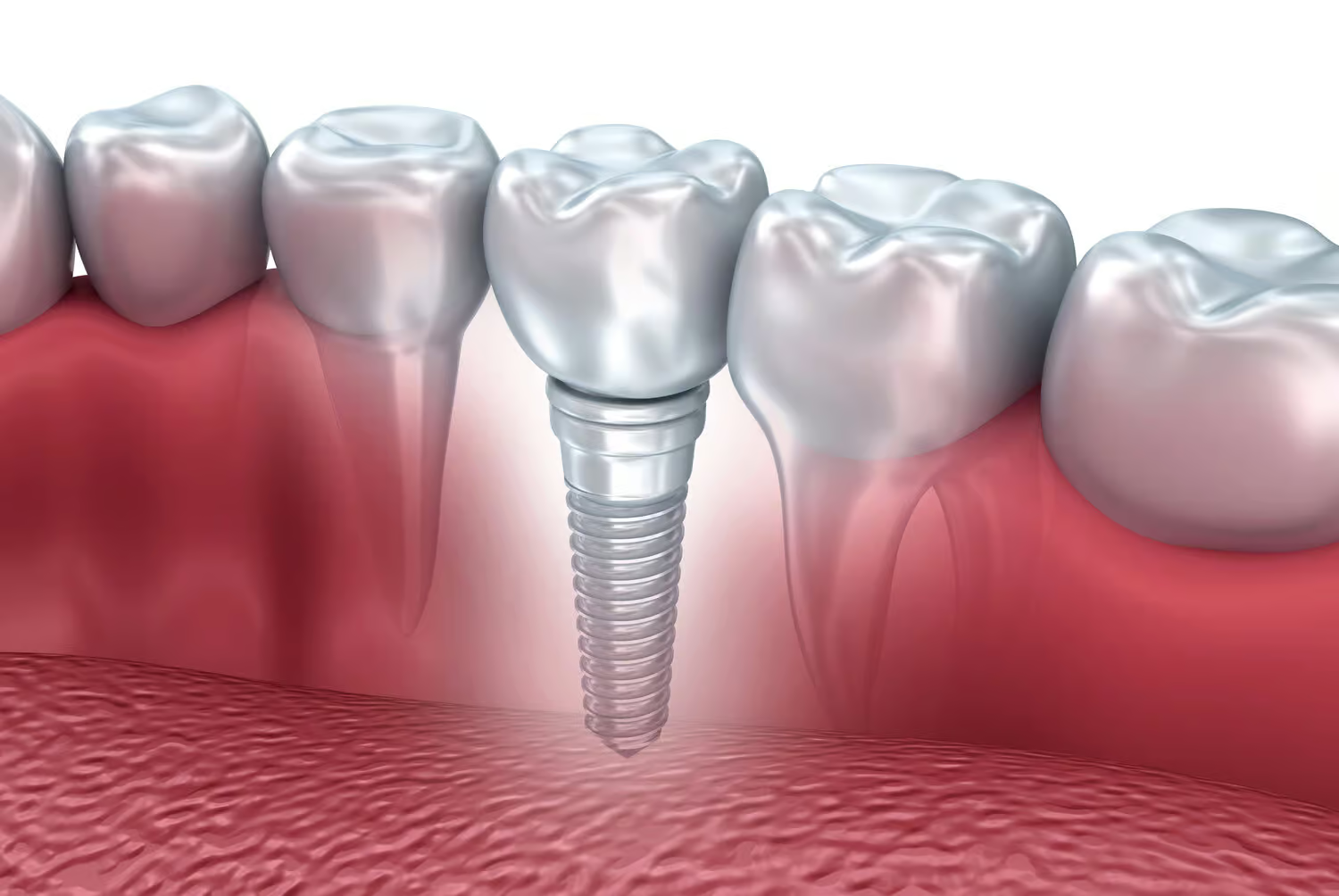
Once you've healed, you can decide what to do about the gap. Our office offers dental bridges, partial dentures, and implant restoration. There's no need to decide that on the day you're hurting.

FAQ

Answers to the most common questions.

Something else on your mind?
Call us at (309) 444-8481.

Will the ER pull an infected tooth?

No, most hospital ERs don't have a dentist on staff to pull a tooth, even an infected one. They can check for danger signs, treat pain, and sometimes start an antibiotic, but they usually send you to a dentist to handle the tooth. Go to the ER first only if swelling is making it hard to breathe or swallow, or spreading fast toward your eye or neck. For a painful or infected tooth that isn't causing those danger signs, call a dentist first so the tooth itself gets treated.

What is the 3-3-3 rule people mention for a toothache?

This isn't a standard dental guideline, so there's no official rule by that name for tooth pain. What matters more is watching for real warning signs: spreading swelling, fever with a swollen jaw, bleeding that won't stop, or trouble breathing or swallowing. Those mean you need help right away. A toothache that's just pain, without those signs, is still worth a same-day call, but it's a dental problem, not a hospital emergency.

When does a tooth need an emergency extraction?

Extraction may be necessary when a tooth is badly broken, cracked below the gumline, severely damaged, or otherwise cannot be saved. The dentist needs to examine it before making that decision.

Does severe tooth pain mean the tooth has to come out?

No. Many painful teeth can be treated and kept. The cause of the pain and the condition of the tooth determine the treatment.

Should I go to a dentist or the emergency room for a dental problem?

Dental problems are generally best evaluated by a dental office when dental care is available. If you have a serious medical emergency, such as difficulty breathing or swallowing, seek emergency medical care.

Can antibiotics fix a tooth that needs extraction?

Medication may address infection concerns in some situations, but it does not restore a tooth that cannot be saved. The dentist will determine what treatment the tooth needs.

Request an appointment

Call us at (309) 444-8481

Tell Us About Yourself

Are you new to Associates in Dentistry?

Preferred Day and Time (optional)
Thank you! Your submission has been received!

That didn't go through. Please try again, or call your office.