
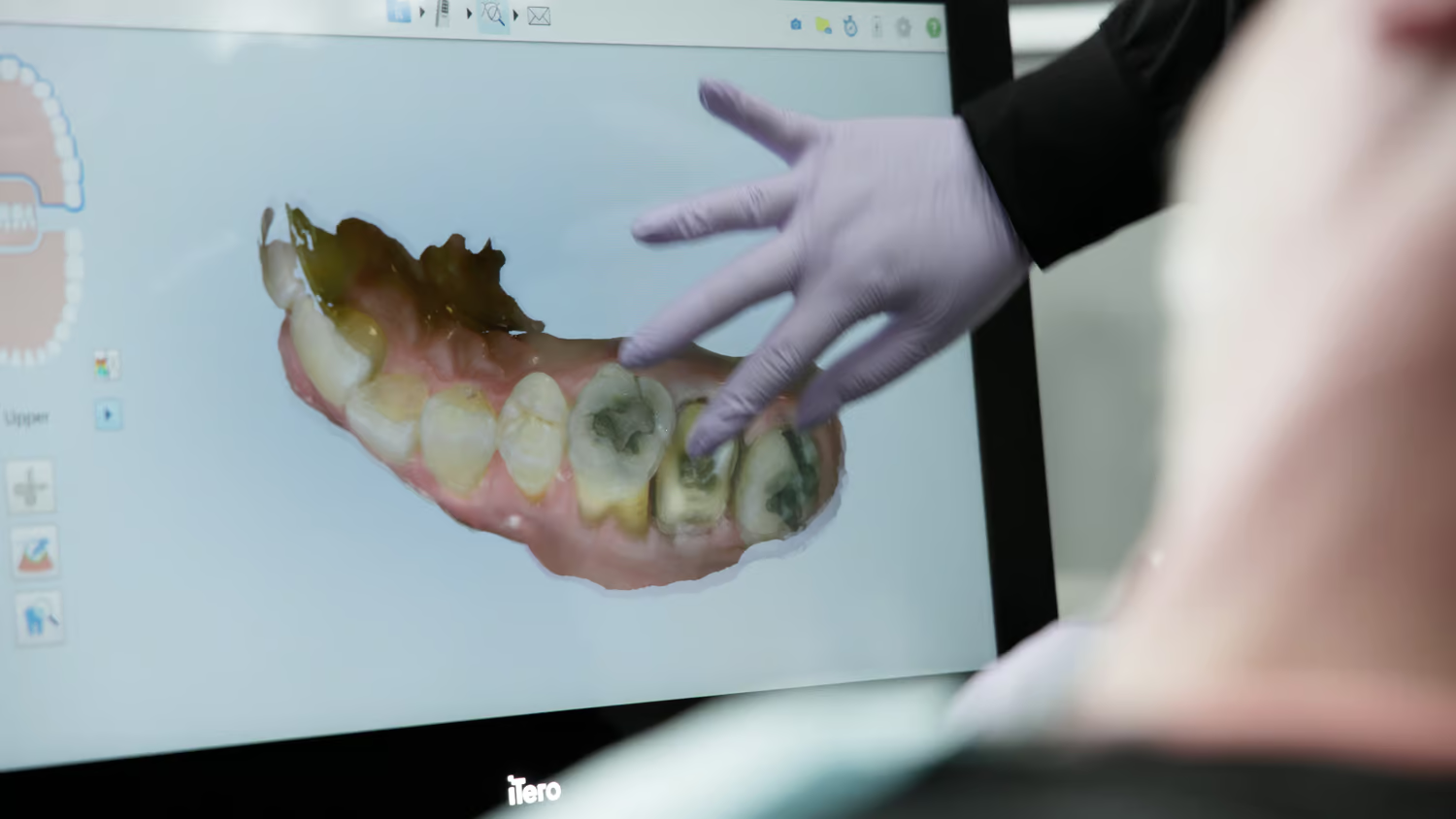


Gloved hand pointing to a 3D digital scan of a patient's teeth on a monitor
Your family's dental home

Periodontal Treatment in Washington

Gloved hand pointing to a 3D digital scan of a patient's teeth on a monitor
The short answer
Reviewed by our
Washington
doctors.
Dr. Dennis Burton, dentist at Associates in Dentistry in Washington
Dr. Jonathan Gifford, dentist at Associates in Dentistry in Peoria and Washington

Gums that bleed often, pull back from your teeth or come with persistent bad breath can be signs of gum disease. A routine cleaning may not be enough when disease has moved below the gumline. Periodontal treatment, often starting with scaling and root planing, cleans the roots and addresses the infection below the gums.

01

Signs Your Gums Need More Than a Routine Cleaning

A routine cleaning is for healthy gums. Gums that bleed often, pull back from your teeth, or come with bad breath that won't go away usually mean something deeper is going on. Spotting the pattern early keeps treatment simpler.

Gum disease is quiet. It rarely hurts at first, so most people don't know they have it. The good news is that your gums give you hints long before things get serious. You just have to know what to look for.

A regular cleaning removes plaque and tartar from above the gumline and just below it. That works well when your gums are snug and healthy. But once bacteria settle deeper, under the gums and around the roots, a normal cleaning can't reach them. That's when your gums need periodontal treatment instead.

Here are the signs that point past a routine cleaning:

Your gums bleed when you brush or floss, and it keeps happening week after week.

Your gums look red, puffy, or feel tender instead of pink and firm.

Your teeth look longer than they used to because the gums have pulled back.

You have bad breath or a bad taste that brushing doesn't fix.

A tooth feels loose, or your bite feels different when you chew.

You see pus or a small bump along the gumline.

Spaces are opening up between teeth that used to sit close together.

One sign on its own isn't always a problem. Say you just started flossing again after a long break. A little bleeding for the first week or so is common, and it often settles down as your gums get used to it. If you have a cold or you've been under a lot of stress, your gums may act up for a bit too.

What matters is the pattern. Bleeding that hangs around, gums that keep pulling back, or a tooth that starts to move are not things that clear up on their own. Those signs tell you the problem has moved below the surface.

Some things you can't see at home at all. At an exam, your dentist gently measures the small pocket between each tooth and the gum around it. Healthy pockets are shallow. When a pocket gets deeper, it means the gum is coming loose from the tooth and bacteria have room to hide. X-rays can also show whether the bone that holds your teeth in place has started to shrink. That's why someone with no pain at all can still learn they need more than a cleaning.

A few things raise the odds that your gums need a closer look. Smoking or using tobacco is a big one, and it can also hide bleeding, so the gums seem fine when they aren't. Diabetes, pregnancy, some medications, and a family history of gum problems can all play a part too. If any of those apply to you, it's worth paying closer attention to the signs above.

If you've noticed one or two of these and you're not sure, that's okay. You don't have to figure it out yourself. A quick look and a few measurements will tell you whether a regular cleaning is enough or whether your gums need a bit more care. Either answer is useful, and catching it now gives you the most options.

02

What Happens During a Periodontal Exam

A periodontal exam is a closer look at your gums and the bone under them. It takes a bit longer than a regular checkup, but it isn't hard on you. Most of it is careful looking, measuring, and talking. Here's what it usually includes, so nothing catches you off guard.

It starts with a few questions. Your dentist will ask about your health, any medications you take, and whether you smoke or have diabetes, since those affect your gums. They'll also ask what you've noticed, like bleeding when you floss or a tooth that feels different. Your answers help explain what they find next, so be honest. Nobody's there to judge you.

Next comes the measuring we mentioned earlier. A thin, gentle tool checks the pocket around each tooth, usually at six spots per tooth. Your dentist or hygienist will call out numbers as they go. Healthy pockets tend to read 1 to 3 millimeters. Readings of 4 or more mean the gum is pulling away and a regular cleaning won't reach the bacteria down there.

While they measure, they're also watching for other clues:

Spots that bleed when the tool touches them, which points to active inflammation

How far your gums have pulled back from each tooth

Whether any teeth move or feel loose

Changes in how your teeth fit together when you bite

Tartar buildup below the gumline

X-rays round out the picture. They show what can't be seen from the outside, like how much bone is still holding each tooth in place. Measurements and X-rays together tell a much clearer story than either one alone.

So, does it hurt? For most people, not much. Healthy gums barely notice the measuring. Inflamed gums can feel tender, and you might see a little bleeding. That's part of what the exam is looking for, not a sign something went wrong. If any spot feels sore, say so.

Once the checks are done, your dentist will walk you through what they found in plain words. You'll see which areas look healthy and which need attention. If your gums are in good shape, a routine cleaning may be all you need. If some pockets are deeper, the next step is often a deep cleaning that reaches below the gumline.

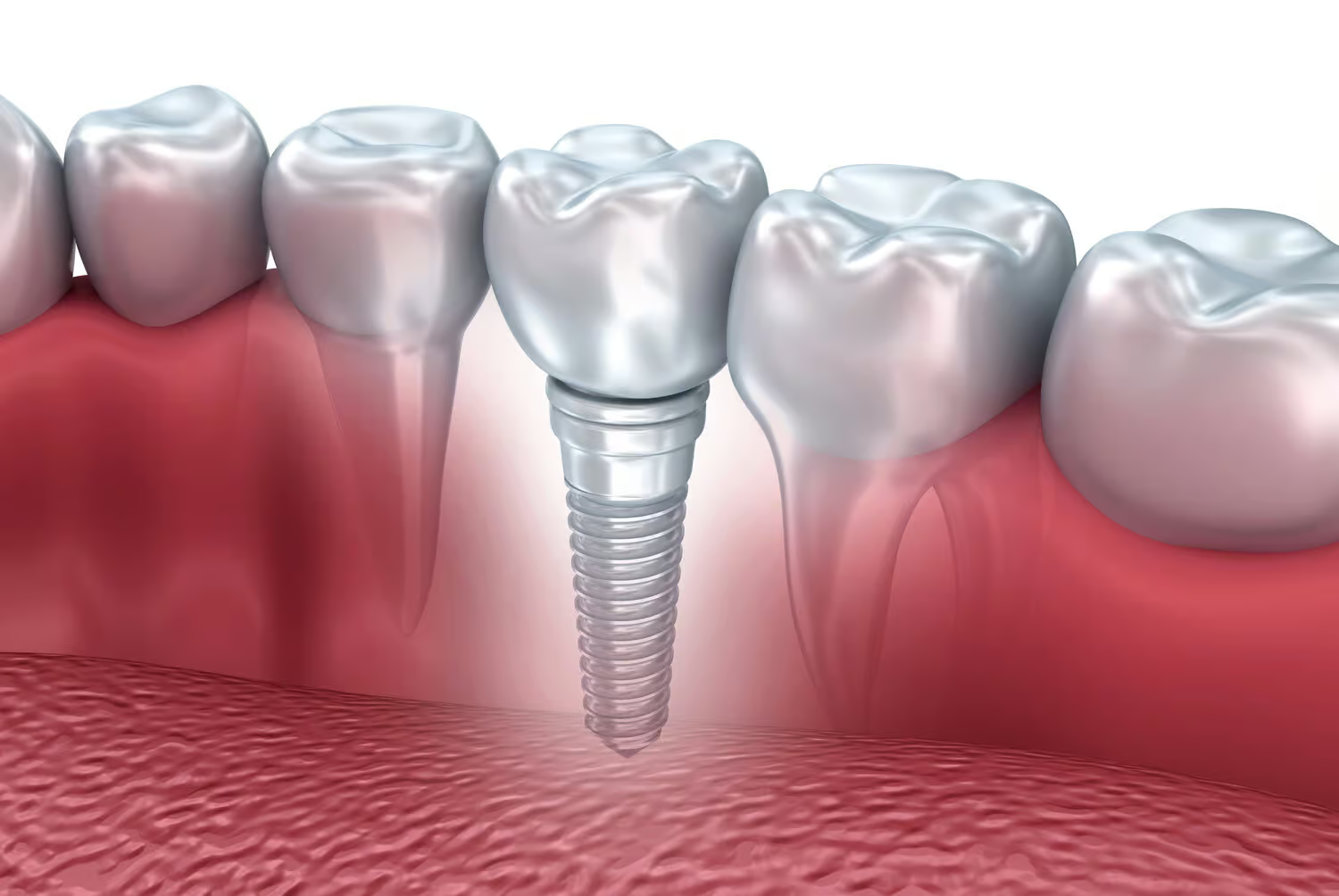
This exam matters even more if you're missing a tooth. If you're thinking about implant dentistry in Washington, healthy gums come first, because an implant needs firm gum and solid bone around it to do its job. Getting your gums settled now keeps that option open.

At our office on Peoria Street, Dr. Dennis Burton and Dr. Jonathan Gifford see patients for periodontal care. You'll leave knowing where your gums stand and what, if anything, comes next.

03

When a Regular Cleaning Is Enough Instead

Plenty of people who worry about their gums don't need periodontal treatment at all. If your exam shows shallow pockets and your X-rays show the bone around your teeth is holding steady, a regular cleaning is the right call.

Bleeding gums don't always mean gum disease has set in below the surface. Often it's the early stage, called gingivitis. The gums are irritated by plaque along the edge, but they haven't started pulling away from the tooth and no bone has been lost. At this stage, the damage can usually be turned around.

A regular cleaning is likely all you need when:

Your pocket readings stay in the healthy range, even if a few spots bleed when they're checked.

Your X-rays don't show bone loss around any teeth.

None of your teeth feel loose, and your bite feels the same as it always has.

The bleeding started after a change, like picking flossing back up, and it's fading.

One sore spot traces back to something simple, like a popcorn hull or seed stuck under the gum, and it settles once it's out.

Here's a common example. You haven't been to the dentist in a while. Your gums bleed a little when you brush, and you've read enough online to feel nervous. At your visit, the measurements come back shallow and the X-rays look fine. You get a cleaning, a few tips, and a plan to come back for your next checkup.

What you do at home matters most in this case. Brush twice a day with a soft brush, aimed gently at the gumline. Clean between your teeth once a day with floss or small picks. Keep your regular checkups. Most mild gum irritation calms down within a couple of weeks once plaque stops sitting along the edge of the gums.

You also have every right to ask questions if a deep cleaning is suggested. Ask what your pocket readings were and which teeth they came from. Ask whether the X-rays show bone loss. A deep cleaning and a regular cleaning are billed differently, so it's fair to want to know why one is being recommended over the other.

Some things can make your gums act up for a while without meaning you need more treatment. Pregnancy, a new medication, or a stressful stretch can all leave gums puffier or more tender than usual. These still deserve attention, and you may need cleanings a little more often for a time. But tender gums alone don't put you on a path to deep cleanings.

If your gums are healthy, the goal is simple: keep them that way. A routine cleaning and good daily habits do that job well.

Gums bleeding when you brush? Let's measure.
04

How Scaling and Root Planing Treats Gum Disease

Scaling and root planing is what most people call a deep cleaning. It's usually the first step when your pockets measure deeper than they should. The goal is simple. It gets the bacteria and hardened tartar out of the places a regular cleaning can't reach, so your gums have a chance to heal.

The treatment has two parts, and each one does its own job.

Scaling removes plaque and tartar from below the gumline, all the way down the root to the bottom of each pocket. That buildup is what keeps your gums irritated and bleeding.

Root planing smooths the surface of the root after it's clean. Rough spots give bacteria a place to grab on. A smooth root makes it harder for them to settle back in and easier for the gum to lie flat against the tooth again.

Because the cleaning goes below the gums, the area is usually numbed first. Most people feel pressure and some scraping, but not sharp pain. A deep cleaning often isn't done on the whole mouth at once. It's common to split it into sections, sometimes over two visits, so each area gets careful attention.

Afterward, your gums may feel sore or tender for a few days. Your teeth may be a bit sensitive to cold. That's normal and tends to fade as the gums settle. Soft foods and gentle brushing help in the meantime. Some bleeding the first day or two is expected too.

Here's the part that matters most. A few weeks later, your pockets get measured again. When the swelling goes down, those numbers often drop, and spots that bled before may stop. That follow-up shows whether the treatment worked.

This is also where catching gum disease early pays off. Pockets that are only a little deep tend to respond well to scaling and root planing alone. Pockets that are very deep, or teeth that have lost a lot of bone, may not close up as much. The earlier you start, the more likely a deep cleaning is all it takes.

It's worth being honest about one thing. A deep cleaning controls gum disease. It doesn't make it go away for good. Once you've had it, your gums need closer care to keep the bacteria from building back up. That usually means cleanings every few months instead of twice a year, plus steady brushing and flossing at home.

If your follow-up numbers look good, you move into that routine and keep an eye on things. If some areas are still deep, your dentist will walk you through what comes next and why, based on those specific teeth.

05

What Pricing Factors to Expect With Periodontal Treatment

There's no single price tag for periodontal treatment. The cost depends on how much of your mouth needs care and what kind of care it needs. Your exam numbers drive most of it.

Dentists usually split the mouth into four sections called quadrants: upper right, upper left, lower right, and lower left. A deep cleaning is often billed by quadrant. If only one area has deep pockets, you may only need treatment there. A treatment for one to three teeth in a quadrant is often billed differently than a full quadrant, too.

These are the main things that move the total:

How many quadrants need a deep cleaning, and how many teeth in each one.

Whether you need a full periodontal exam and new X-rays first.

How deep your pockets are and how much bone has been lost. More advanced cases can need more than one round of care.

The follow-up visit to measure your pockets again after treatment.

Ongoing maintenance cleanings every few months. These are billed differently than a routine cleaning.

Your insurance plan and how it covers each of these steps.

That last point surprises a lot of people. Many plans treat a deep cleaning and gum maintenance as a different category than a routine cleaning. Your plan might pay less for them, limit how often they're covered, or count them toward a yearly maximum.

The ongoing part is worth planning for. A deep cleaning is often a one-time cost per area. But gum disease needs closer care afterward. Those maintenance visits come every few months, so they add up over a year.

Catching gum disease early tends to cost less, too. Fewer deep pockets mean fewer quadrants to treat.

Before you agree to any plan, it's fair to ask a few things:

Which quadrants or teeth need treatment, and why?

What will my insurance likely cover, and what will I owe?

How often will I need maintenance visits afterward?

Is there anything we can wait on, or does it all need to happen now?

Our practice moved to a fee-for-service model in August 2024, and we accept and bill most insurance plans. If you're not sure how your plan handles gum treatment, bring your insurance details and our team can help you sort it out.

FAQ

Answers to the most common questions.

Something else on your mind?
Call us at (309) 444-8481.

What's the most effective treatment for gum disease?

For most people, scaling and root planing is the most effective starting treatment for gum disease. It clears out bacteria and tartar below the gumline, then smooths the root so your gums can reattach. Catching the problem while pockets are only a little deep makes this one step far more likely to work on its own.

Is laser treatment a must for gum disease, or is a deep cleaning enough?

A deep cleaning alone is often enough, especially when pockets are only moderately deep. Scaling and root planing does the core work of removing bacteria and smoothing root surfaces. Whether anything more is needed depends on your follow-up pocket measurements a few weeks after treatment.

What is periodontal treatment?

Periodontal treatment addresses disease affecting the gums and supporting bone around the teeth. Treatment depends on how advanced the gum disease is.

What are signs I may need periodontal treatment?

Bleeding gums, gums pulling away from teeth, loose teeth, or other changes around your gums can be reasons to ask for an evaluation.

Is a routine cleaning enough for gum disease?

A routine cleaning may be appropriate for healthy gums, but periodontal disease can require treatment below the gumline. An exam determines what level of care is needed.

What is scaling and root planing?

Scaling and root planing is a periodontal treatment used to clean buildup from the tooth surfaces and roots below the gumline when gum disease requires more than a routine cleaning.

Request an appointment

Call us at (309) 444-8481

Tell Us About Yourself

Are you new to Associates in Dentistry?

Preferred Day and Time (optional)
Thank you! Your submission has been received!

That didn't go through. Please try again, or call your office.