
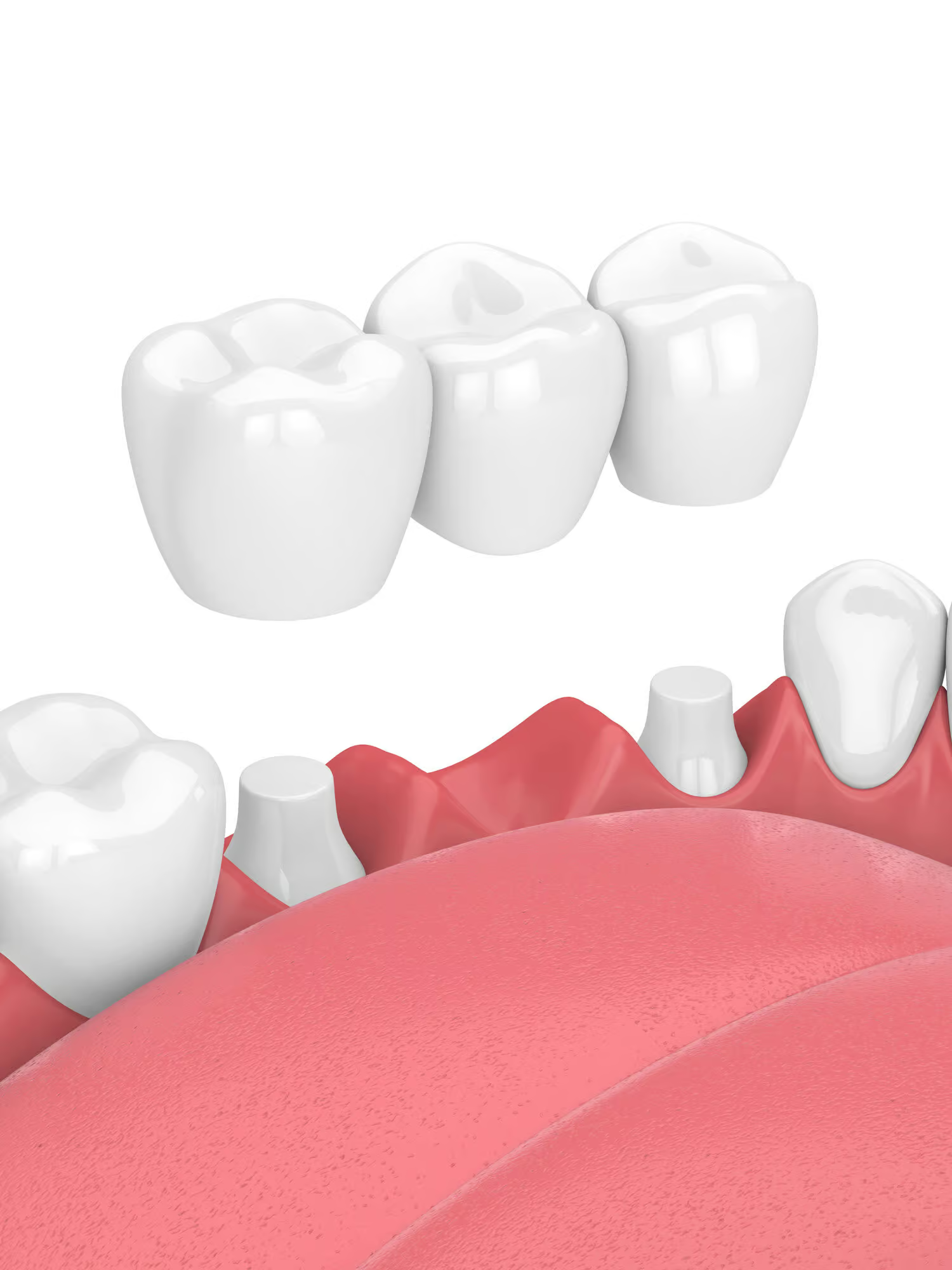


Illustration of a three-tooth dental bridge being placed over two prepared teeth
Your family's dental home

Dental Bridges in Washington

Illustration of a three-tooth dental bridge being placed over two prepared teeth
The short answer
Reviewed by our
Washington
doctors.
Dr. Dennis Burton, dentist at Associates in Dentistry in Washington
Dr. Jonathan Gifford, dentist at Associates in Dentistry in Peoria and Washington

A bridge fills a gap by anchoring a replacement tooth to the teeth on either side. Whether it's a good fit depends largely on the condition of those neighboring teeth. A bridge stays in place, unlike a removable partial denture.

01

Candidacy Depends on the Health of the Teeth Next to the Gap

A traditional bridge for Dental Bridges in Washington fills a gap by relying on the teeth beside it. The question isn't just whether a tooth is missing. It's whether those neighboring teeth are healthy and strong enough to support the bridge.

If you're considering a bridge, the teeth on either side of the space matter as much as the gap itself. They must carry the bridge along with the force of your bite. A tooth with decay, a crack, or poor support from the gums may not be a sound anchor. That doesn't always rule out a bridge, but it can mean the tooth needs attention first or that a different way to replace the missing tooth makes more sense.

The location of the gap matters, too. A traditional bridge generally uses a supporting tooth on each side. If the missing tooth was at the very back, there may be no tooth behind the gap to support that kind of bridge. A wider gap can also put more demand on the teeth that remain. These details are why someone else's bridge may not be the right model for yours, even if you've lost the same number of teeth.

Already have crowns on the neighboring teeth? That doesn't answer the question by itself. What matters is the condition of those teeth now, including what's underneath the crowns and how well the teeth are supported. On the other hand, if both neighboring teeth are healthy and untouched, it's worth understanding that a traditional bridge generally requires changes to them. You may decide you'd rather leave those teeth alone. That's a fair part of the decision, not a reason to rush into treatment.

You also don't have to choose a bridge just because there's a gap. If the missing tooth isn't affecting how you eat or speak, you can ask what it would mean to wait rather than replace it now. The answer depends on which tooth is missing and the condition of the rest of your mouth. If the gap does bother you, start with the supporting teeth instead of assuming the replacement itself is the hard part.

Associates in Dentistry offers dental bridges at our office on Peoria Street. Dr. Dennis Burton and Dr. Jonathan Gifford staff this location. An exam can give you a clearer answer about whether the teeth next to your gap can support a bridge, and whether that choice fits what you want from treatment.
02

When a Bridge Is Not the Right Call

A bridge replaces a missing tooth. If the tooth is still there, even if it looks badly damaged, replacing it isn't the first question. The first question is whether it can be kept. A dental exam through general dentistry in Washington can help sort out whether the tooth needs care instead of replacement. Don't assume a tooth has to come out because a piece broke off or it hurts when you chew. Those problems need their own answer.

The same goes for a space that bothers you but wasn't caused by a missing tooth. If you have a gap between two teeth that are both still there, a bridge isn't made for that job. It would replace a tooth you haven't lost. Be clear about what you want to change: a missing tooth, the shape of a tooth, or the space between teeth. They can look similar when you smile, but they don't call for the same treatment.

A fixed bridge may also be a poor fit for what you want day to day. You might prefer a replacement you can take out to clean, especially if you're deciding how to deal with several missing teeth in different places. One bridge can't fill separate gaps across your mouth. A removable replacement may be worth discussing instead. That's a choice about how you want to live with the replacement, not just how it will look.

If all the teeth in an upper or lower row are missing, a traditional bridge supported by natural teeth isn't an option for that row. You need a plan for replacing the whole row, not one gap. It's useful to say that plainly before comparing treatments that solve different problems.

It's also okay to decide that you don't have enough information yet. If you're weighing a fixed bridge against a removable replacement, ask what each choice would mean for eating, cleaning, and the teeth you still have. The right answer isn't the same for every mouth or every person. You don't need to agree to a bridge simply because it's one available way to fill a space.

03

What Happens During a Bridge Appointment

What happens during a bridge appointment depends on why you're coming in. You might be discussing a missing tooth for the first time, or you might already have a treatment plan. If you haven't agreed to a plan yet, don't feel you need to know dental terms before you arrive. Be ready to say what bothers you about the gap, whether it affects eating, and what you'd most like the replacement to do for you.

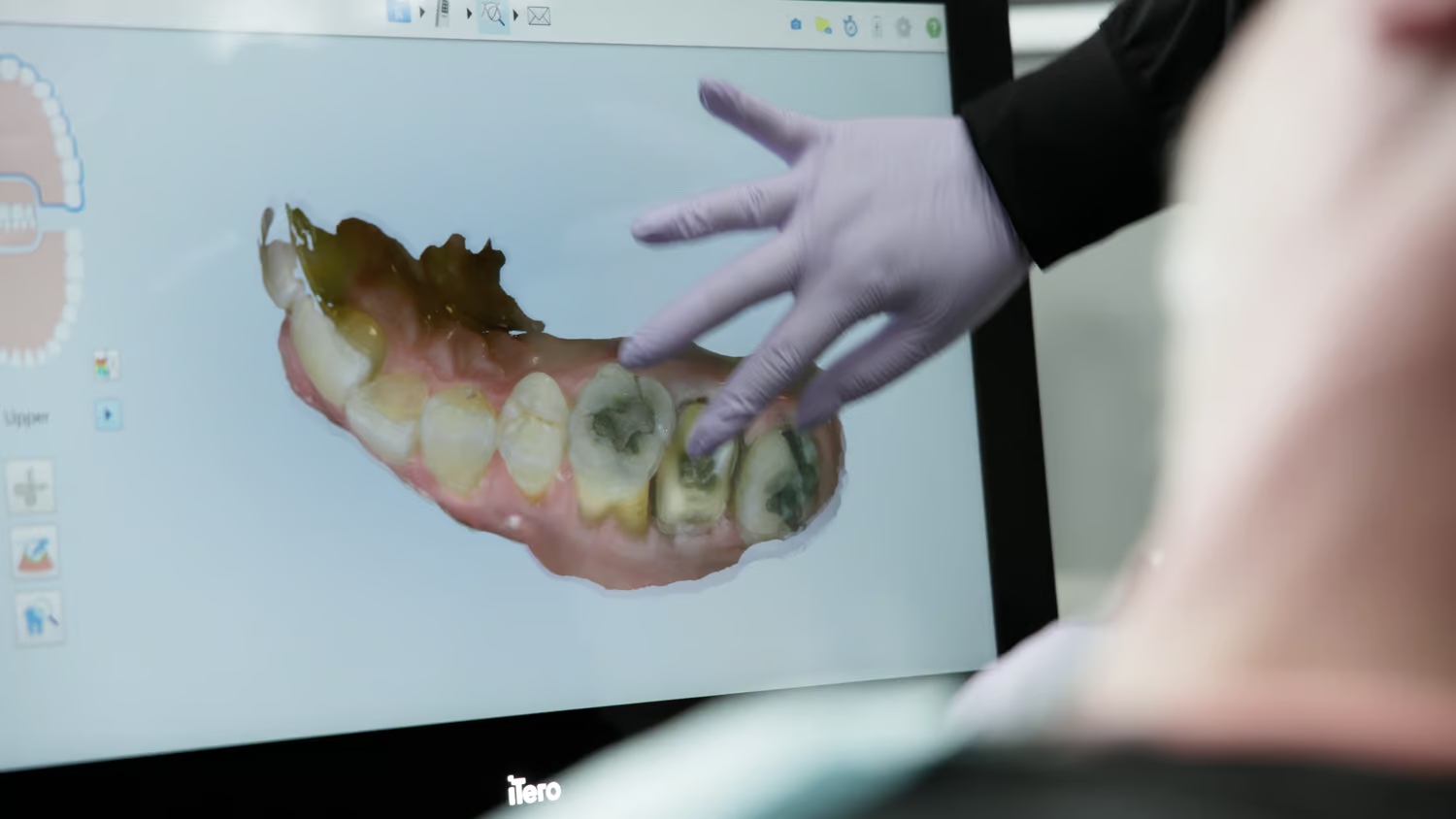
Before you agree to a bridge, ask to see which teeth would hold it. That's the most useful way to understand the work being proposed. You can also ask whether those teeth would need to be changed and what the bridge would cover. If a tooth beside the gap already has a crown or filling, mention it. The answer may affect the plan, but its presence alone doesn't tell you what treatment you'll need.

It's worth getting clear on timing, too. Ask how many visits your proposed bridge may take and what you'll have in the gap between visits, if anything. If someone mentions a temporary bridge, ask whether that applies to your plan and what you'd need to know while wearing it. These are fair questions before work begins, especially if you need to plan around meals, work, or time away from home.

The finished bridge should make sense to you as something you'll live with, not just something that fills a space in a picture. Ask how you'll clean around it and what to expect when you bite or chew. If a proposed shape or position doesn't sound right, say so. You know which side you tend to chew on and whether the missing tooth shows when you smile. Those details help you explain what matters to you.

Before you leave any appointment about a bridge, make sure you understand what has been decided and what remains open. You can ask which parts of the plan are based on the condition of your teeth and which parts reflect your preferences. If you're also considering a removable replacement, it's okay to ask for time to think. A clear plan tells you what you're agreeing to before you commit to treatment.

Missing a tooth? Let's see if a bridge fits.
04

Caring for a Bridge So It Lasts

A bridge may look like a solid row of teeth, but it needs care in places you can't easily see. The replacement tooth sits over the gap, and the teeth beside it hold the bridge in place. Food and plaque can collect near the gums and beneath that replacement tooth. The bridge itself can't get a cavity, but the teeth supporting it can. Caring for those teeth is a big part of caring for the bridge.

The space underneath is the part many people want explained before they commit. A fixed bridge stays in your mouth, so cleaning it isn't the same as taking out a removable replacement. The shape of your bridge and the space near your gums affect what you can reach. Ask which areas will need special attention and what tools will work for your planned bridge. You should leave that conversation knowing what daily care would involve, not just how the bridge will look.

Pay attention to the supporting teeth, too. They don't stop needing care once a bridge covers part of them. The edges where the bridge meets those teeth and the nearby gums still matter. If you're used to cleaning between separate teeth, ask what changes when those teeth are joined by a bridge. That question is especially useful if keeping up with a detailed cleaning routine is already hard for you. It's better to understand the work before choosing a fixed replacement.

Care isn't only about keeping the bridge clean. How it feels when you bite and whether food catches around it are worth describing clearly to a dentist. You don't have to decide on your own what a change means. Tell them what feels different and where you notice it. A specific description, such as food catching on one side rather than everywhere, gives them more to go on than saying the bridge just feels wrong.

Before you choose a bridge, picture caring for it on an ordinary day, not just on the day it's placed. Ask what you'll need to reach, how you'll know whether you're cleaning those areas well, and whether the plan calls for a tool you haven't used before. A bridge should fit your mouth, but its care also has to fit your routine. That's a practical part of deciding whether it's right for you.

05

What Drives the Cost of a Dental Bridge

The cost of a dental bridge depends on more than the number of teeth you're missing. It also depends on the teeth that would support it, the type of bridge proposed, and any care needed before it can be placed. That's why a price you hear from someone else may not tell you much about your own case. The useful question is what your estimate covers.

The size of the bridge matters. Replacing more teeth generally means a larger bridge and more work to make it. Ask how many teeth your proposed bridge would replace and what the quoted fee covers.

The supporting teeth can change the total. If one needs care before it can hold a bridge, ask whether that care has a separate cost. An estimate for the bridge alone may not be the full cost of the plan.

The design and materials matter. There isn't one bridge that fits every gap. Ask which type is being proposed, why it fits your situation, and whether another suitable option would change the cost.

What the estimate includes matters. Ask about any separate fees for the exam, a temporary replacement if your plan calls for one, and any work not yet decided. You should know which costs are set and which depend on what the dentist finds.

If you have dental insurance, don't assume that coverage for a bridge means the whole bill is covered. Your share can depend on your plan's deductible, annual limit, waiting period, and rules for replacing a missing tooth. Some plans also base benefits on a different type of replacement than the one you choose. Ask for an estimate that separates the proposed fee from the expected insurance benefit, and ask what could change that estimate. An expected benefit isn't the same as a final payment decision from your plan.

Associates in Dentistry uses a fee-for-service model and accepts and bills most insurance plans. If you're considering a bridge at our office, bring your plan details when you discuss cost. Ask how your benefits may apply to the bridge being proposed, rather than relying on a general answer about bridge coverage.

Before you agree, make sure you can answer two plain questions: What work am I paying for, and what might I still owe? If part of the plan isn't clear yet, ask what must be checked before the cost can be more certain. That gives you a better basis for deciding than a single number with no explanation.

FAQ

Answers to the most common questions.

Something else on your mind?
Call us at (309) 444-8481.

What is the downside of having a dental bridge?

The main downside is that a traditional bridge requires changes to the healthy teeth next to the gap. Those teeth must be shaped to support the bridge, even if they never had a problem before. Food and plaque can also collect under the replacement tooth, so the supporting teeth need extra care to avoid new decay. This is why it's worth asking if you'd rather leave those teeth untouched before you commit.

How long will a dental bridge last?

How long a bridge lasts depends mostly on the health of the teeth holding it up and how well you care for them. Since the supporting teeth carry the bite force for the bridge, decay or gum problems around them can shorten its life. Keeping up with daily cleaning around the gums and under the replacement tooth is the biggest factor you control. Ask your dentist what daily care your specific bridge design will need, since that routine affects how long it holds up.

Will Medicare pay for a dental bridge?

Original Medicare generally does not cover routine dental work like bridges, so you shouldn't assume it will pay for one. If you have separate dental insurance, check your plan's deductible, annual limit, and any waiting period before assuming a bridge is covered. Ask for an estimate that separates the proposed fee from the expected insurance benefit, since an expected benefit isn't a final payment decision from your plan.

What is a dental bridge?

A dental bridge replaces a missing tooth or teeth by placing a replacement tooth in the gap and anchoring it to nearby teeth.

Who can get a dental bridge?

The teeth next to the gap need to be healthy enough to support the bridge. Your dentist will also consider the size and location of the missing-tooth space.

How is a bridge different from a partial denture?

A bridge is fixed in place, while a partial denture can be removed. Which option fits depends on the teeth you have, the location of the gap, and your overall oral health.

Request an appointment

Call us at (309) 444-8481

Tell Us About Yourself

Are you new to Associates in Dentistry?

Preferred Day and Time (optional)
Thank you! Your submission has been received!

That didn't go through. Please try again, or call your office.