



Smiling patient in a dental chair talking with her dentist
Your family's dental home

Root Canals in Washington

Smiling patient in a dental chair talking with her dentist
The short answer
Reviewed by our
Washington
doctors.
Dr. Dennis Burton, dentist at Associates in Dentistry in Washington
Dr. Jonathan Gifford, dentist at Associates in Dentistry in Peoria and Washington

A root canal treats damage or infection inside a tooth when the tooth can still be saved. Lingering sensitivity to hot or cold, pain when you bite, swelling around the tooth or a darkening tooth can be signs that the inside of the tooth needs attention. An exam is the best way to determine what's causing the problem.

01

Signs a Tooth Needs Root Canal Treatment

If the tissue inside a tooth is badly damaged or infected, a root canal may help you keep the tooth. We offer Root Canals at our office. The key isn't how much pain you can put up with. It's whether the trouble is coming from inside the tooth, which symptoms alone can't confirm.

A tooth can need attention even if it doesn't hurt all the time. Strong pain doesn't prove you need a root canal, and little or no pain doesn't rule one out.

One clue is pain that stays after you finish a hot drink or take a sip of something cold. That's different from a quick twinge that stops as soon as the drink is gone. Notice whether the feeling lasts, whether it's getting stronger, and whether it seems tied to one tooth. Those details are more useful than simply saying the tooth is sensitive.

Pain when you bite can also matter. It may feel like one tooth takes the hit before the others, or it may hurt when you release your bite. That doesn't point to one certain cause. A crack, a filling, or trouble around the root could also explain it. If you can tell which tooth hurts and what sets it off, you can describe the problem more clearly.

Sometimes the pain starts without food or a drink setting it off. It may come in waves, feel deep in the tooth, or be hard to pin to one spot. That can be confusing when you look in the mirror and the tooth seems fine. A tooth doesn't have to look broken to have trouble inside it.

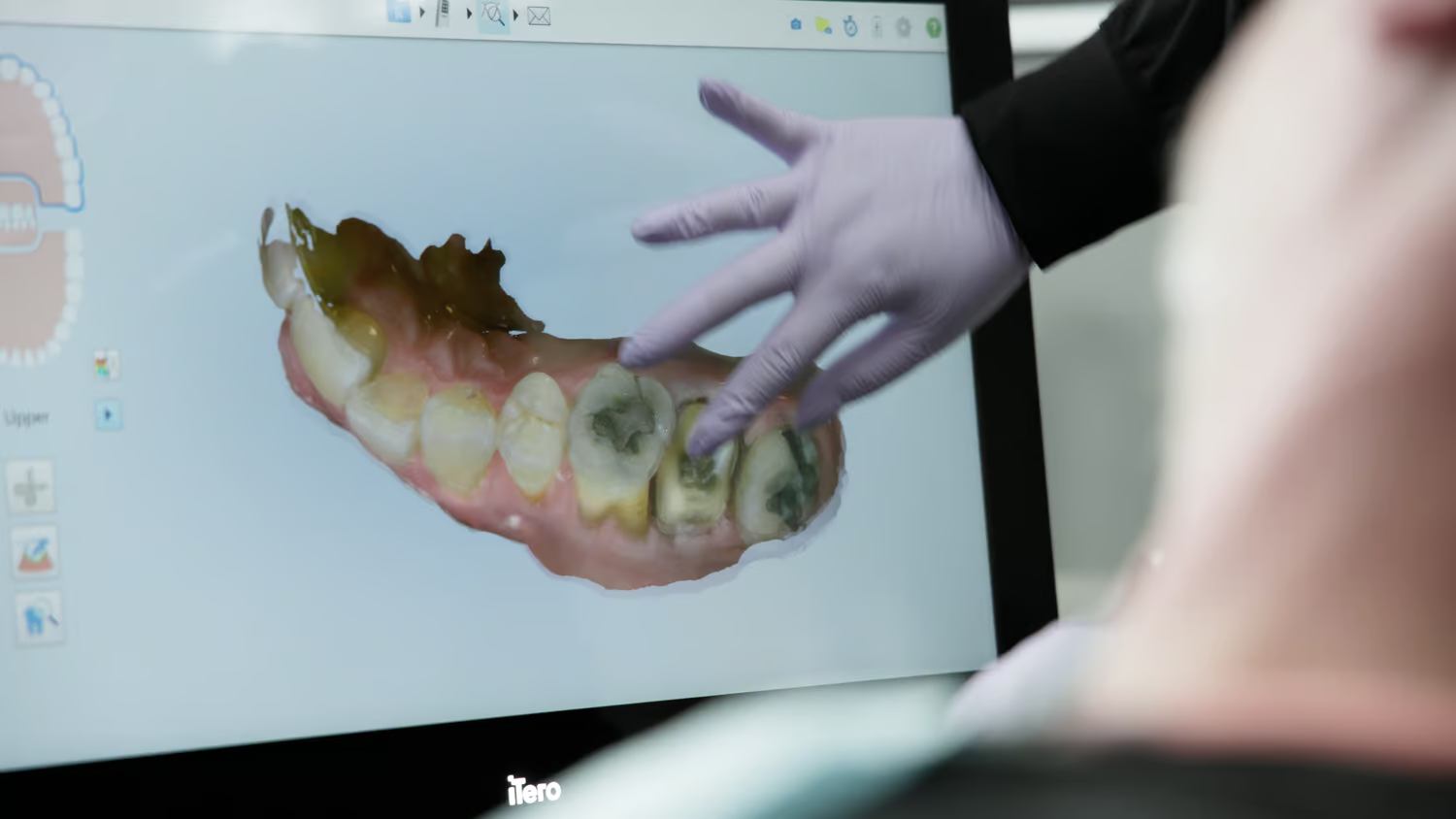
Look at the gum near the tooth, too. A tender, swollen area or a small bump can be a clue that something's wrong near the root. A tooth that has grown darker than the teeth beside it is another change worth mentioning, especially if you remember hitting it. Neither sign tells you by itself what treatment is needed.

The pattern matters more than any one sign. A short-lived twinge, steady pain, swelling, and a tooth that's changed color don't all mean the same thing. You might notice several signs, just one, or none that you're sure about. What you feel can help identify the tooth and the problem, but it can't tell you on its own whether a root canal is the right choice.
02

When a Filling Is Enough and a Root Canal Is Not

A cavity doesn't automatically mean you need a root canal. If the damage is limited to the hard parts of the tooth and the tissue inside is still healthy, a filling may be enough. A filling repairs the damaged part. A root canal addresses trouble inside the tooth. Our general dentistry in Washington includes composite fillings, so a root canal isn't the only option for a tooth that needs repair.

The same goes for an old filling that has chipped or come loose. The tooth may need a new filling, but that doesn't mean the tissue inside it is damaged. What matters is how much healthy tooth remains and whether decay or damage has reached deeper than the area a filling can repair. The size of a hole or the sight of a broken filling can't settle that question on its own.

Even a deep cavity doesn't make a root canal automatic. Depth matters, but so does the condition of the tissue inside the tooth. If that tissue is still healthy enough, repairing the tooth without a root canal may be possible. If it's badly damaged or infected, a filling alone won't solve the problem. It can cover the damaged area, but it can't treat what's happening inside the tooth.

It also helps to separate a tooth that needs attention from a tooth that needs this particular treatment. A small chip, a worn filling, or a spot of decay may call for repair without a root canal. You don't have to assume the more involved treatment is the safer choice. Treating the part that's damaged is the point, whether that takes a filling or something else.

If you're weighing the two, the useful question isn't “How bad does this tooth look?” It's “Is the problem limited to the part that can be filled, or does it involve the tissue inside?” A dental exam can help answer that. Until you know, there's no reason to count on a filling to fix an infection or to assume every cavity needs a root canal.

03

Why Saving the Natural Tooth Usually Wins Over Extraction

If a tooth can be saved and used, keeping it is usually worth considering before having it pulled. Your own tooth already fits your bite. You can chew with it, and you don't have to decide what to do with a gap. A root canal may make that possible when the trouble is inside the tooth, but only if enough of the tooth remains to repair it.

Extraction can sound like the simpler choice when a tooth hurts. It removes the tooth that's causing trouble. It also leaves you with a second decision: whether to replace that tooth. You may be comfortable with a gap, or the missing tooth may affect how you chew. Its location matters. A front tooth and a back tooth can raise different concerns, and what works for someone else may not work for you.

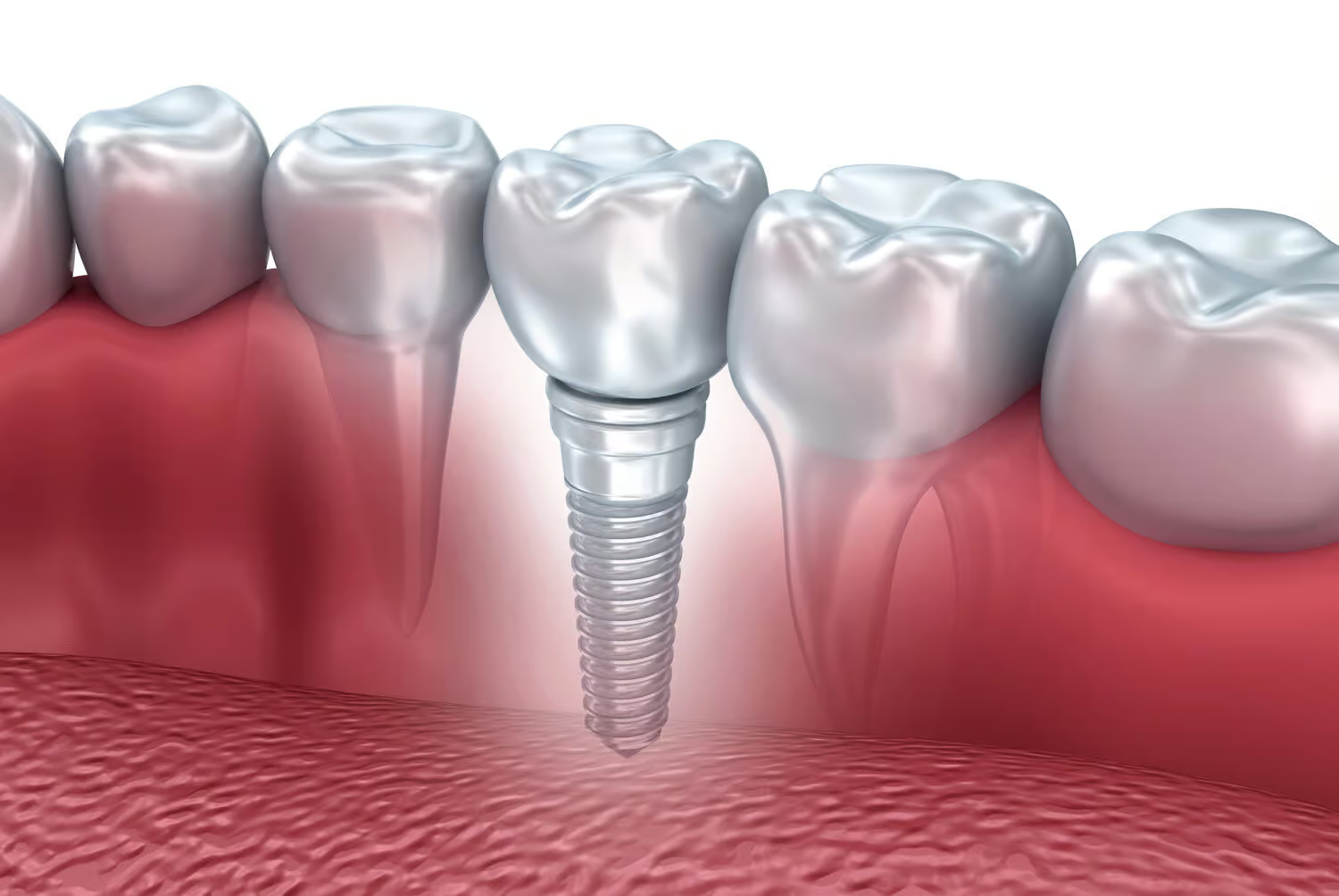
Think about a back tooth you rely on for chewing. If it can be treated and repaired, keeping it may let you continue using it without making room for a replacement. But a root canal isn't the whole decision. The tooth still needs to be strong enough for a lasting repair. Our office also offers dental crowns when that kind of repair is needed.

Cost is part of this choice, too. Comparing only the cost of a root canal with the cost of pulling a tooth can leave out important parts of the picture. Ask what repair the saved tooth would need and what your options would be if the tooth were removed. That gives you a clearer comparison of the care involved in each path, without assuming that either one is automatically less costly for you.

Saving a tooth isn't always the better choice. If too little sound tooth remains, or the damage makes it impossible to repair well, a root canal may not leave you with a tooth you can use. In that case, pulling it may be the more sensible option. Emergency tooth extraction is among the services offered at our office.

The question to settle is whether this particular tooth can be kept and repaired, not whether root canals or extractions are better in general. You don't need to commit to saving a tooth that can't be repaired. You also don't need to give up a usable tooth just because removing it sounds faster. At our office, Dr. Dennis Burton and Dr. Jonathan Gifford are the dentists named for this location. You can bring them the question that's on your mind: if this were your tooth, what would each choice mean for eating, repair, and the care you'd need afterward?

Tooth pain that lingers? Let's find out why.
04

What Happens During a Root Canal Visit

If you're coming to our office because a tooth may need a root canal, you don't have to arrive knowing that's the treatment you'll get. Tell us which tooth is bothering you and what you've noticed. If the pain comes and goes, say so. If you've had work done on that tooth before, mention that too. Small details can help you explain a problem that's hard to describe.

Before you agree to treatment, make sure you understand the plan for your tooth. Ask what's causing the problem, why a root canal is being considered, and whether the tooth can be repaired afterward. Those answers matter more than a general description of how root canals work. They tell you what the treatment is meant to do for your tooth.

It's also fair to ask what the appointment will involve for you. How long should you set aside? Will you need another visit? What should you expect to feel, and how can you let the dentist know if you're uncomfortable? We don't want you guessing about those things while you're in the chair. Ask in plain words, even if the question feels small.

You may also want to ask what work is needed after the root canal. Treating the inside of a tooth and repairing the tooth are parts of the same decision, but they aren't the same task. Find out what repair is being recommended for your tooth and whether it would happen at a separate appointment. That helps you plan your time and understand the full care being proposed.

If cost or insurance is on your mind, bring it up before treatment begins. Associates in Dentistry accepts and bills most insurance plans and uses a fee-for-service model. Ask what charges apply to the root canal, what any later repair would involve, and what information you need to check your plan's benefits. Coverage can depend on your plan and the care your tooth needs.

The most useful way to prepare is to bring your questions, not a guess about the outcome. If you don't understand why a step is needed or what comes next, ask for a simpler explanation. You should know what you're agreeing to and what still needs to be decided.

05

Recovery and Aftercare for a Treated Tooth

Once the root canal is done, your next concern is practical: what can you expect from this tooth at home? The answer depends on your tooth and the care it received. Before you leave, make sure you know whether anything about eating, chewing, or cleaning around that tooth needs to change for now. Don't use someone else's recovery as your guide.

You may be thinking about the rest of your day. Can you eat lunch as planned? Is it okay to chew on that side? If the tooth feels different when you bite, what should you do? Those are worth asking before you go home. The answers may depend on whether the tooth has its final repair or still needs one.

Pay attention to any instructions you receive about discomfort. Ask what you might feel, how long you should expect it to last, and what would be outside the expected course. It's easier to make sense of a change when you know what you're comparing it with. If you don't understand an instruction, ask someone to put it in everyday words.

A root canal and the repair that follows it aren't the same thing. If more work is planned for the tooth, know what has been done and what hasn't. Ask whether the tooth has a temporary repair and what that means for using it until the next step. Feeling better doesn't, by itself, tell you that all the planned care is finished.

It helps to keep the details somewhere you'll find them later, especially if the next visit isn't right away. Which tooth was treated? What care is still planned? Are there any limits you need to follow in the meantime? If you notice a change, that information will help you explain what happened without trying to recall every word from the appointment.

The goal after treatment isn't to monitor every little sensation. It's to know the plan for your own tooth. Find out whom to contact if a repair comes loose, your bite doesn't feel right, or you're unsure whether what you're feeling fits the instructions you were given. You shouldn't have to decide on your own whether to ignore a concern.

Longer term, a treated tooth still needs attention as part of your regular dental care. Keep track of any repair recommended for it, and mention new changes when you have a dental exam. That way, the question stays focused on whether the tooth is working well for you, not just whether the original pain has gone away.

If you're considering a root canal or have questions about caring for a treated tooth, contact Associates in Dentistry at our office.

FAQ

Answers to the most common questions.

Something else on your mind?
Call us at (309) 444-8481.

Does insurance cover the cost of a root canal?

Coverage depends on your specific insurance plan and the care your tooth needs. Associates in Dentistry accepts and bills most insurance plans, so it's worth asking our team to check your plan's benefits before treatment begins. Bring up cost and coverage questions at the start of your visit, not after.

Do I need a crown after a root canal?

It depends on how much of the tooth remains and what repair it needs. A root canal treats the inside of the tooth, while a crown or other repair protects it afterward. Our office offers dental crowns when that kind of repair is recommended, so ask your dentist whether your tooth will need one and whether it happens at a separate visit.

Can a root canal fail or get infected again later?

A treated tooth can still run into problems later, which is why it needs ongoing attention as part of your regular dental care. Keep track of any repair recommended for the tooth, and mention any new pain, swelling, or bite changes at your dental exams. If something feels off, don't wait and wonder, ask us whether it fits what's expected or needs a closer look.

Does needing a root canal mean my tooth has to come out?

No. A root canal is used when the inside of a tooth is infected or damaged and the tooth can still be saved. The goal is to treat the tooth rather than remove it.

What are signs a tooth may need a root canal?

Pain, sensitivity, swelling, or discomfort when biting can be signs, but they can have other causes too. An exam is needed to determine what is happening.

What happens during a root canal?

The dentist removes infected or damaged tissue from inside the tooth, cleans the space, and seals it. A crown may be recommended afterward to protect the tooth.

Request an appointment

Call us at (309) 444-8481

Tell Us About Yourself

Are you new to Associates in Dentistry?

Preferred Day and Time (optional)
Thank you! Your submission has been received!

That didn't go through. Please try again, or call your office.