

Yes, Most Broken Teeth Can Be Fixed - Here's What Decides the Treatment
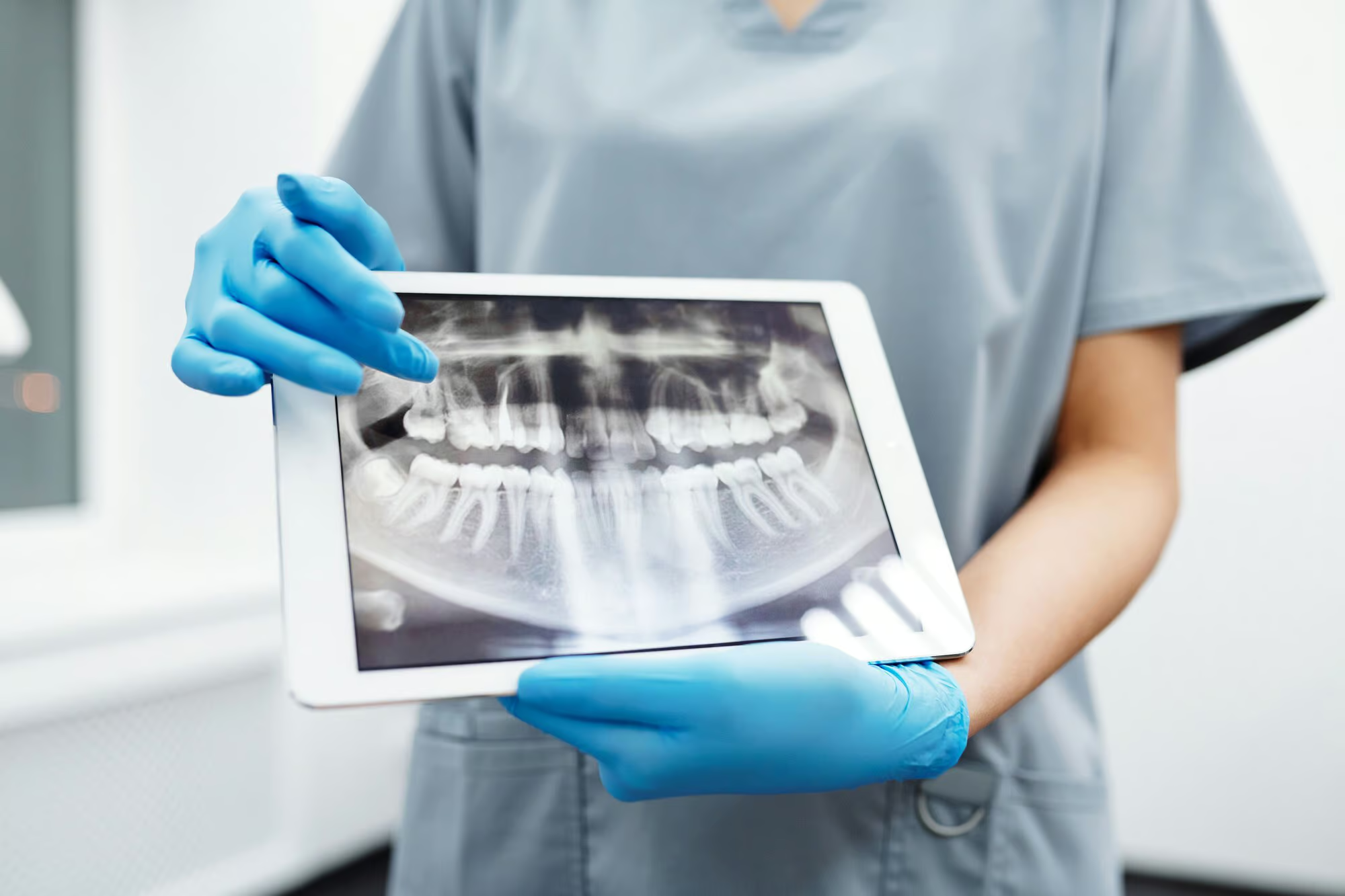
Whether a dentist can fix a broken tooth starts with one simple question: how much healthy tooth remains? A small chip and a deep crack can look alike at home, but they may need different care. We start by looking at the tooth, asking about pain, and checking how you bite.
You don't have to judge the damage by yourself.
A dentist also checks where the break ends. Is it above the gum, or does it reach farther down? That detail can change what Broken Tooth Repair involves. And pain isn't the whole story. Some broken teeth hurt right away. Others only bother you when you chew or drink something cold.
Here's what we look for during an exam:
- How much tooth broke off, and whether you still have the piece.
- Where the crack runs, especially near the gumline.
- Whether chewing, cold drinks, or touch cause pain.
- How much sound tooth remains to hold a repair.
Those clues help narrow the choices. A small break may call for Composite Fillings or Cosmetic Bonding. If a larger piece is missing, Dental Crowns may protect what's left. A tooth with damage inside may need Root Canals before a crown. These aren't steps every patient goes through. The exam tells us what's needed for your tooth.
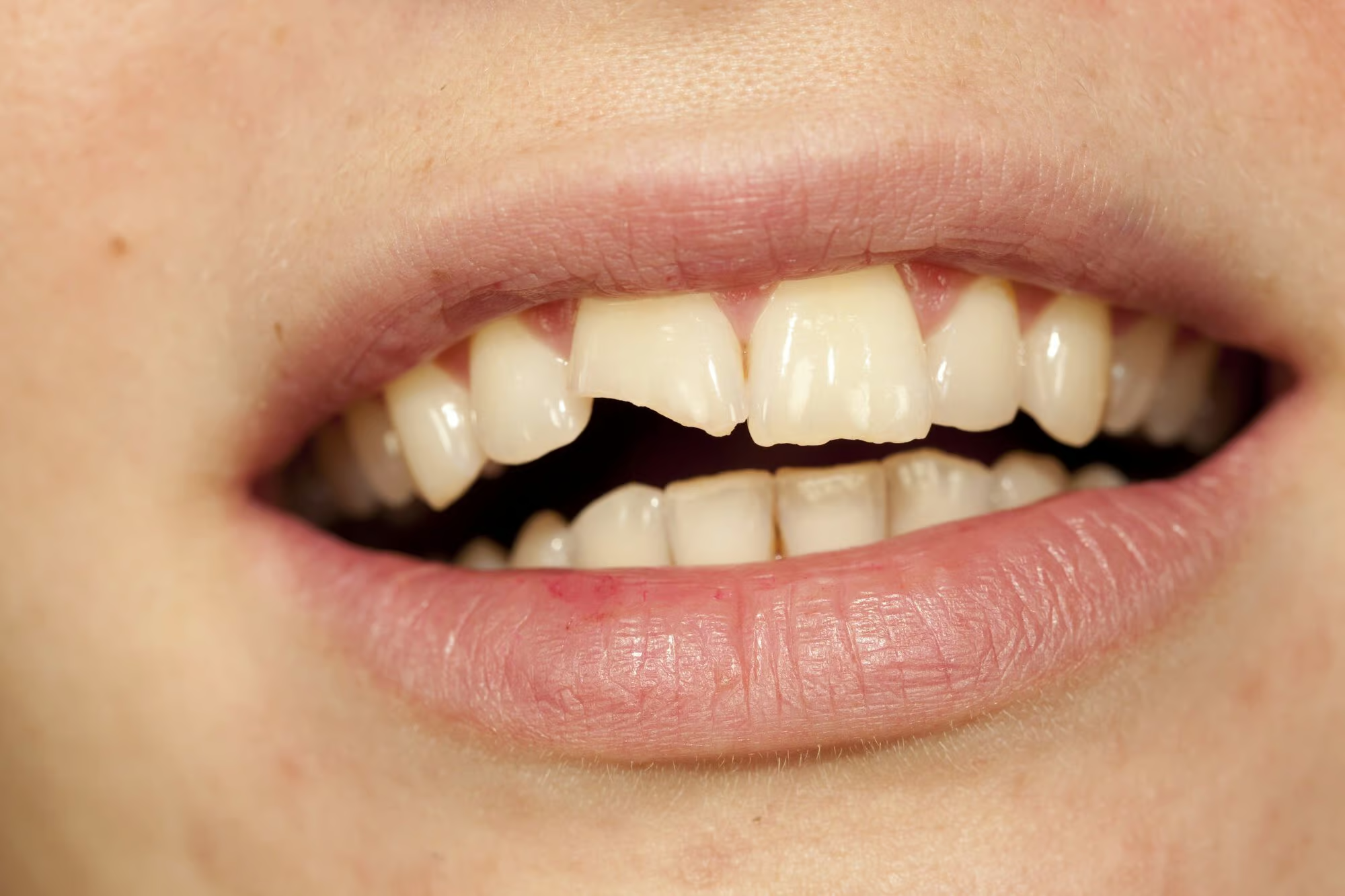
We often hear someone say, "It's only a little chip." Then they show us the sharp edge that's been catching their tongue all week. A chip can be small and still deserve a look. On the other hand, a tooth can look badly broken yet have enough healthy structure for Broken Tooth Repair. Looks alone can't settle it.
Picture biting into lunch and feeling part of a back tooth give way. You might still chew on the other side, so waiting feels reasonable. But each bite can put pressure on the broken edge. We'd rather check it while there are more choices for care.
Not every tooth can be saved. If a break runs too far below the gumline, pulling the tooth may be the safer choice. We'll explain what we see before discussing that step. You should know why a repair may or may not hold.
If you're in Peoria and a tooth breaks, keep any loose piece you can find. Try not to chew on that side. And call for an exam, even if the pain seems mild. Broken Tooth Repair begins with finding out what's damaged.
Chip, Crack, or Break at the Gumline: Why the Type of Damage Changes the Plan
A broken tooth doesn't always show how far the damage goes. A small chip can feel sharp, while a deeper crack may feel normal. That's why Broken Tooth Repair starts with a careful look. We check where the break ends. We also ask what happened and how your bite feels. The surface tells part of the story, and your symptoms tell another.
Did a piece come off while you ate? Or did you spot a line after a hard bite? Both can look alike in a mirror, but they don't always need the same care. Here are the patterns we look for:
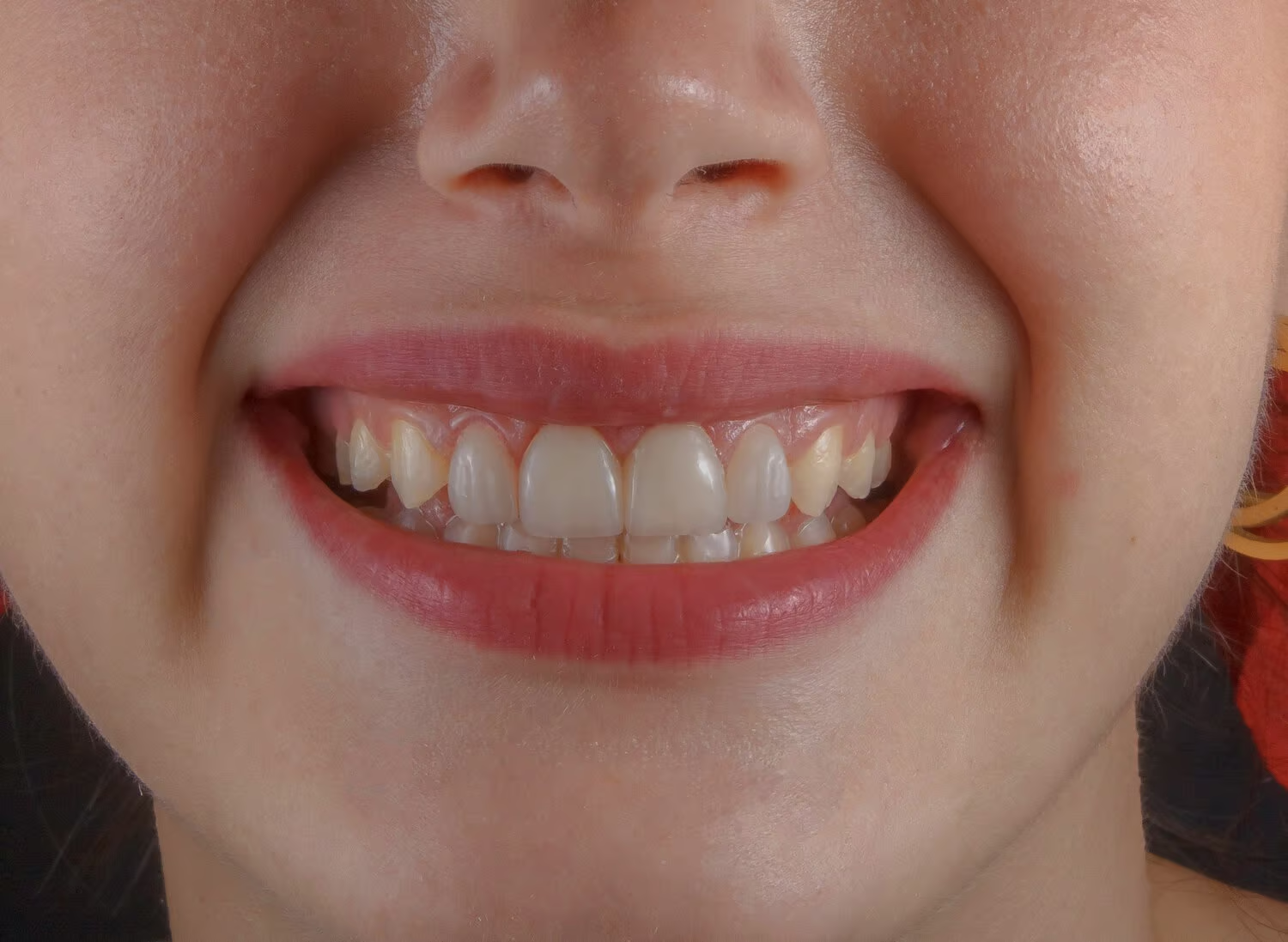
- A small chip usually affects the outer edge. If enough tooth remains, Cosmetic Bonding or Composite Fillings may repair it. But a sharp edge still deserves a check. It can catch your tongue or change how you bite.
- A larger break takes away more tooth. Dental Crowns may cover and protect what's left. We first check how much sound tooth remains. A crown needs a firm base, not just a tooth that looks whole from the front.
- A crack may run farther than you can see. Pain when you bite or release your bite can be a clue. But some cracks cause few symptoms. The dentist needs to check the tooth before choosing a repair plan.
- A break at the gumline can be harder to repair. There may not be enough tooth above the gums to hold a repair. If the break reaches deep below them, pulling the tooth may be the safer plan.
That's why the exact edge matters.
Picture this: you bite into lunch in Peoria and feel a piece snap off. You save it, but the tooth doesn't hurt. We've seen people assume that means the break is small. Once we look, the missing piece sometimes reaches close to the gumline. And a tooth can feel fine before it starts hurting. Don't use pain alone to judge the damage.
We also see the opposite. A tiny chip can feel big because its edge rubs your tongue. That doesn't tell us how deep it goes. We check the tooth, test your bite, and may take an image. Those steps help us see what a mirror can't. If the inner part of the tooth is affected, Root Canals may be part of the plan.
Keep any broken piece you can find. The American Dental Association advises rinsing your mouth with warm water after a tooth breaks. Avoid chewing on that side until you've been seen, and don't try to smooth a sharp edge yourself. If you're unsure what broke, that's okay. Broken Tooth Repair begins by finding out.
How Waiting Changes What a Dentist Can Do
A broken tooth may not hurt right away. That's why waiting can feel harmless. But each bite puts pressure on the broken area. A small break can grow, and a rough edge can cut your tongue. Food can also get caught where the tooth broke. The sooner we examine it, the more clearly we can see what's happened.
Can a dentist still fix a broken tooth after you've waited? Often, yes. But the choices depend on how much tooth remains. They also depend on whether the break has reached the inner part. Pain alone won't tell you the whole story.
We've seen people in Peoria keep chewing on the other side for days. Then they forget during one meal and bite down hard. The edge looks small, but the damage may run deeper. That's why we'd rather look before you have to guess what changed.
Here's what waiting may change. These aren't stages every tooth will go through. They're signs that help explain why an exam matters.
- The break may get larger. If more tooth comes off, Composite Fillings may no longer be the best choice. A Dental Crown may be needed instead.
- The tooth may become sensitive or painful. That can happen when the break gets closer to the inner part. Your dentist may need to check whether a Root Canal is needed.
- The tooth may become harder to save. A deep break can leave too little sound tooth for repair, and pulling the tooth may become the next step.
Those choices can't be made by looking in a mirror. During a Dental Exam, we check the broken edge and ask what happened. We'll also ask whether biting, cold drinks, or heat cause pain. If you saved the broken piece, bring it along. It may help us understand the break, even if we can't use it.
A quiet tooth still deserves a look.
Until then, try not to chew on that side. Choose softer food, and keep the area clean with gentle brushing. If the edge is sharp, be careful around your tongue. And if swelling or strong pain starts, don't wait for your usual visit.
The American Dental Association advises contacting a dentist promptly for a broken tooth. We can't promise what the repair will involve before an exam, but we can help you understand your options once we've seen the tooth.
Related guide: Cracked Tooth Symptoms: Warning Signs You Shouldn't Ignore