



Signs a Cracked or Painful Tooth Needs a Crown
Here's the part most people get wrong. A cracked tooth usually doesn't throb. It bugs you. You chew a piece of bread on the left side and feel a quick zing, then nothing for three days. So you forget about it. Then it happens again with a chip or a nut, and now you're paying attention.
That release pain is the tell. Biting down closes the crack, letting go opens it back up, and that tiny movement is what your nerve is reacting to.
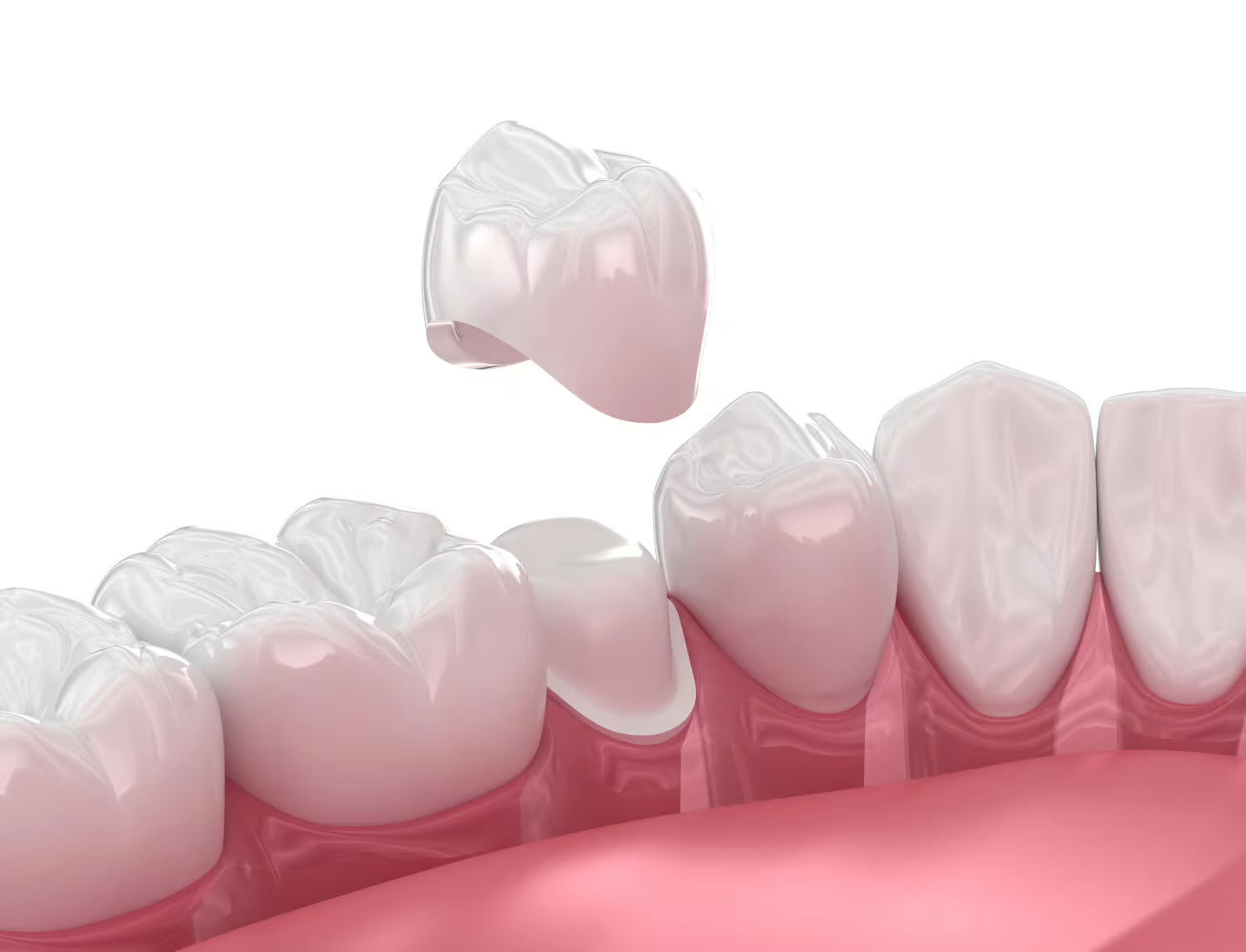
We see this every single week, and the timing matters more than how bad it hurts. A crack that's still in the enamel and dentin can be covered and saved. A crack that reaches the pulp usually means a root canal first, then a crown. Same tooth. Very different appointment.
- Sharp pain when you release your bite, not when you press down
- Cold sensitivity that lingers longer than a few seconds
- A rough edge your tongue keeps finding after a filling chipped out
- An old silver filling wider than the tooth structure left around it
- A tooth that's had a root canal and hasn't been covered yet
- Food packing into the same spot every meal
Not sure if what you're feeling counts? That's pretty common, and it's a reasonable reason to get looked at. A quick exam and an x-ray settle it fast. Our team runs a second-opinion review on x-rays here in Peoria, so a questionable tooth gets more than one set of eyes before anyone recommends a crown.
Waiting doesn't make the crack smaller, it just moves it deeper.