.svg)
If you're searching for an orthodontist in Peoria, you've probably noticed something. Some of the names that come up are specialty orthodontic offices. Others are general dental practices that also straighten teeth. That can be confusing when all you want is a straighter smile and a bite that feels right.
Here's how we see it at Associates in Dentistry. Straightening teeth works best when someone has looked at your whole mouth first. Your bite, your jaw joints, your gums, any old dental work. All of it affects how aligners move your teeth and how the result holds up.
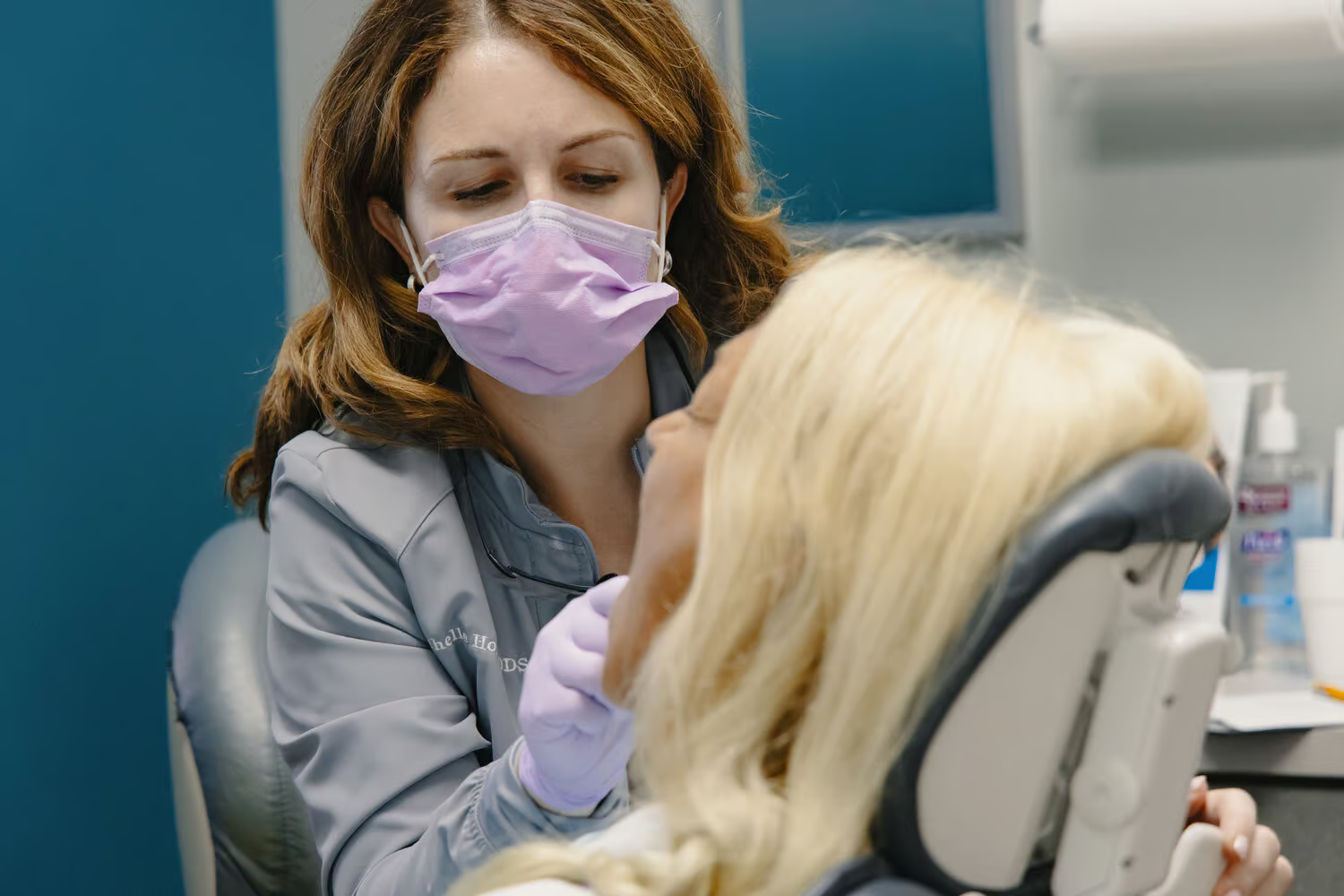
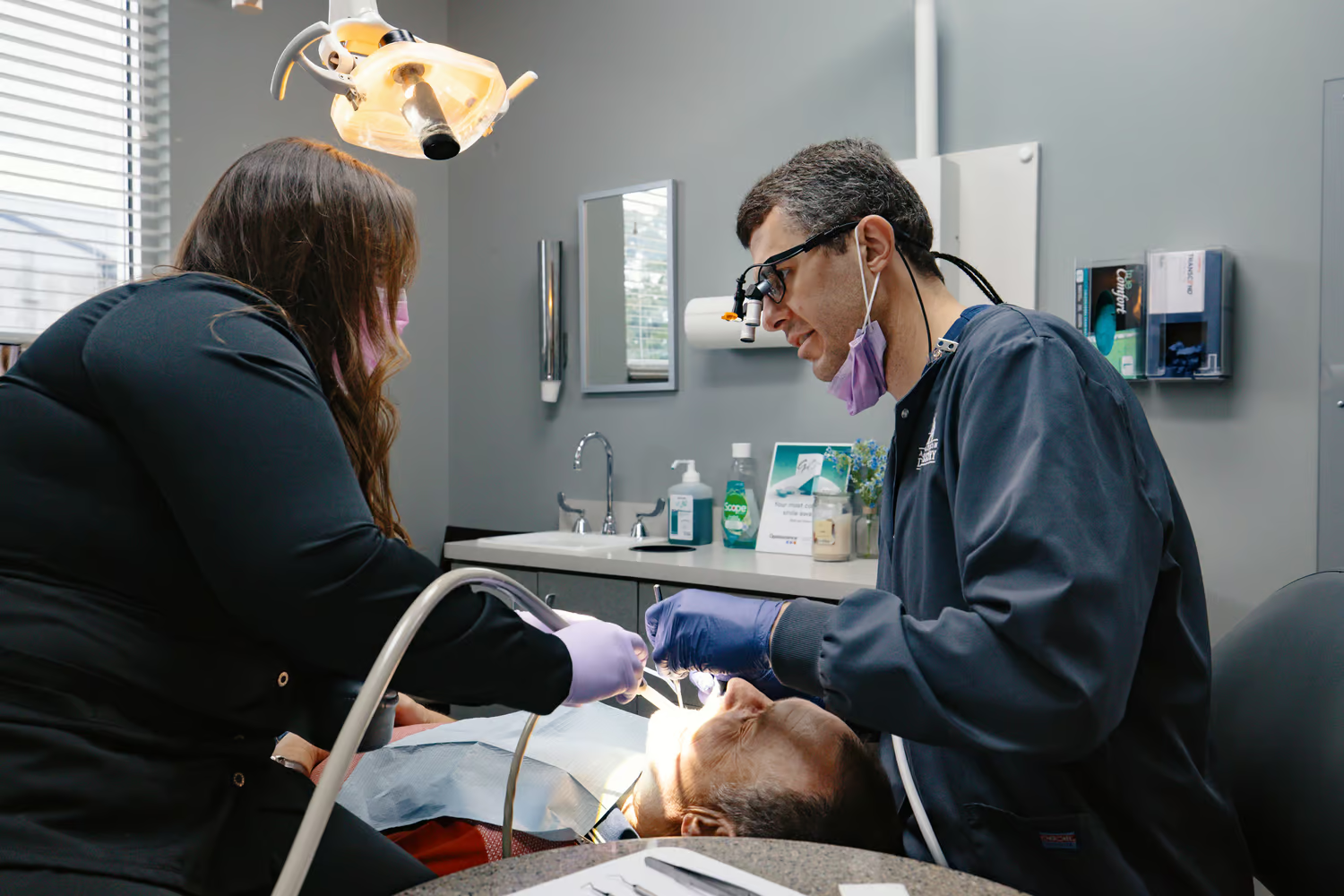
This page covers Invisalign at our Peoria office, the practice's flagship location. Three doctors practice here: Dr. Horst, Dr. Rrushaj, and Dr. Gifford. We'll keep it short and plain: who Invisalign fits, what a first visit looks like, and where to go for the full details.
Orthodontics at Associates in Dentistry
Invisalign can correct crowding, gaps, and bite problems for teens and adults, and at our Peoria office it starts with a full look at your whole mouth, not just your front teeth. If you're weighing a specialty orthodontic office against a general dental practice, the better question is who reviews your bite before treatment begins. Give the Peoria office a call and we'll talk through what fits.
Orthodontic Treatments We Offer

Invisalign Straightens Teeth Without Metal Braces
Invisalign uses a series of clear plastic aligners to move your teeth a little at a time. You wear each set, then switch to the next one. No brackets, no wires, and you take them out to eat and brush.
People come to us about Invisalign for a few common reasons:
- Crowded or overlapping teeth that are hard to floss
- Gaps that have opened up over the years
- An overbite or underbite that makes chewing feel off
- Teeth that shifted back after braces in high school
Teens and adults both do well with Invisalign. This is the part people overthink. They assume clear aligners are a lesser option, or only for tiny cosmetic touch-ups. In the right case, Invisalign handles real alignment and bite work.
The part that matters most is what happens before the first aligner goes in. We check your bite, your gums, and any existing crowns or fillings. If something needs attention first, you'll know up front instead of halfway through treatment. That full-mouth look is the advantage of getting Invisalign inside a practice that also handles the rest of your dental care.
For the full walkthrough on timeline, candidacy, and what wearing aligners is like, see our Invisalign page.
Adults With Bite Problems Are Often Good Candidates Too
"I think my case is too complicated for Invisalign." We hear that a lot from adults in their thirties, forties, and beyond. Usually it's someone with a deep overbite, or teeth that drifted after a tooth was pulled years ago, and they've decided clear aligners only work for small cosmetic gaps.
That's not how it works. Invisalign can address meaningful bite correction in appropriate cases, not just minor spacing. Whether yours is one of those cases depends on your specific teeth, your jaw, and your gum health. That's a conversation, not a guess from a website.
Adult treatment does come with wrinkles that teen treatment doesn't. You may have crowns, bridges, or implants that need to be accounted for in the plan. You may have some gum recession. Maybe your jaw clicks or aches in the morning. Those things don't automatically rule you out, but they do need to be part of the plan from day one.
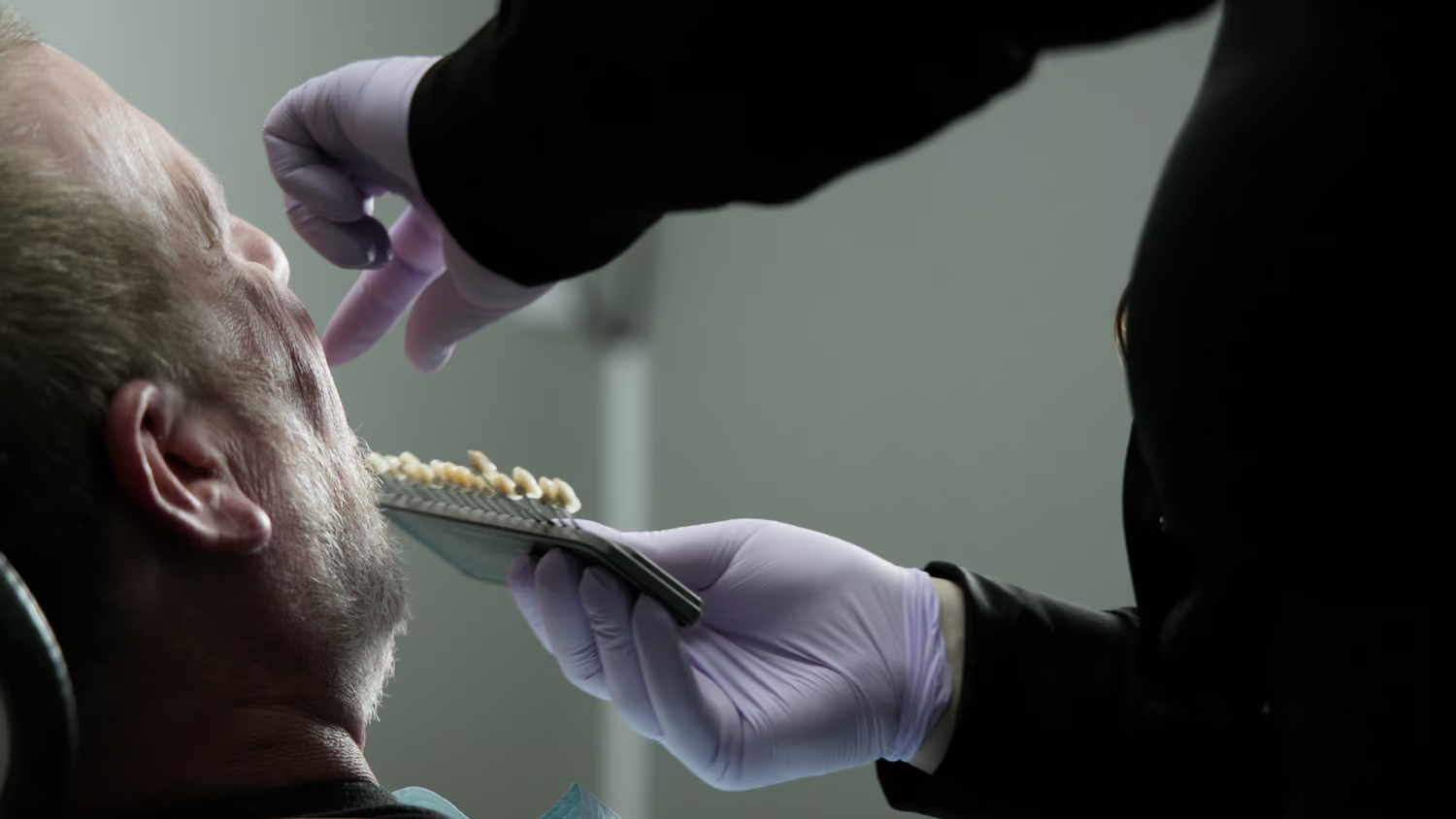
This is where the title on the door matters less than the exam itself. What you want is someone who reviews the whole mouth before the first aligner is made. At our Peoria office, that review includes your bite and jaw function, since we also treat TMJ and TMD here.
Curious whether your case qualifies? Our full Invisalign page goes deeper on what we look for.
What Your First Invisalign Visit Looks Like in Peoria
Remember the tray of putty you had to bite into and hold still for two minutes? We don't do that for Invisalign anymore.
Our Peoria office uses an iTero Lumina intraoral scanner. It's a small wand we move around your teeth. It builds a detailed 3D model of your mouth on screen while you sit there. No putty, no gagging, and you can see your own bite from angles you've never seen it from.
That scan becomes the foundation of your Invisalign plan. It maps where your teeth are now and helps chart where they need to go. Here's what a first visit usually includes:
- A look at your teeth, gums, and bite
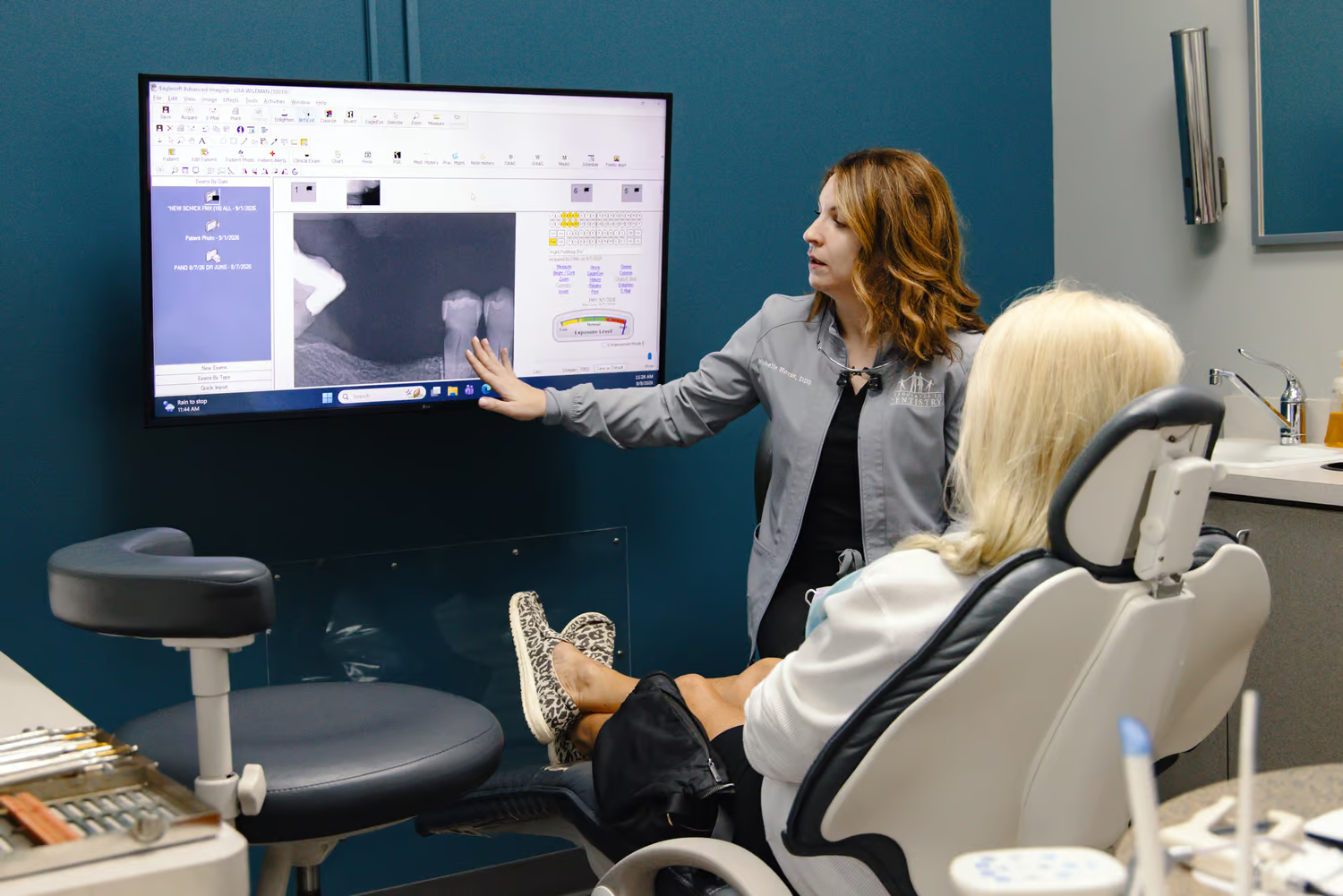
- X-rays, which get a second-opinion review at this location
- The digital scan with the iTero Lumina
- A plain conversation about whether Invisalign is the right fit
The same scanner supports other work we do here, from same-day crowns to implant restorations. So if something else turns up during your Invisalign exam, we can usually handle it in the same building with the same records. That's the practical benefit of our fullest service scope being under one roof at the Peoria office.
How do I know if I need an orthodontist or a general dentist for straightening my teeth?
Am I too old or too complicated a case for Invisalign?
What happens during my first Invisalign visit at your Peoria office?
Does your Peoria office treat jaw pain along with orthodontic issues?
How do I choose between Invisalign and traditional braces?
What if something else turns up during my Invisalign exam, like a cavity or a crown that needs work?
Every service below is offered at our Peoria office, by the same team.