




Smiling patient in a dental chair talking with her dentist
Your family's dental home

Root Canals in Peoria: Relief Without the Referral Runaround

Smiling patient in a dental chair talking with her dentist
The short answer
Reviewed by our
Peoria
doctors.
Dr. Michelle Horst, dentist at Associates in Dentistry in Peoria
Dr. Arian Rrushaj, dentist at Associates in Dentistry in Peoria
Dr. Jonathan Gifford, dentist at Associates in Dentistry in Peoria and Washington

A tooth usually needs a root canal when the nerve inside it is infected or dying. The clearest signs are pain that lingers after hot or cold, throbbing that wakes you at night, pain when you bite down, a pimple on the gum, or a tooth that has darkened. Quick sensitivity that fades in a couple seconds is usually something else.

01

How to Tell a Tooth Needs a Root Canal

Most people find out the same way. They sip coffee, feel a jolt, and the ache doesn't go away. That lingering part matters more than the jolt itself.

Healthy nerves react fast and quit fast. A tooth that hurts for thirty seconds or three minutes after the cold is gone is telling you the nerve is inflamed. Once it's inflamed badly enough, it doesn't heal on its own. That's the line between sensitivity and a nerve problem, and it's the single most useful thing you can notice at home.

Here are the signs we look for when someone calls about a tooth:

  • Pain that hangs around after hot or cold instead of fading right away
  • Throbbing that gets worse lying down or wakes you up at night
  • Sharp pain when you bite or chew on one specific tooth
  • A small pimple or bump on the gum near the tooth, sometimes with a bad taste
  • Swelling in the gum, cheek, or jaw on that side
  • A tooth that's turned gray or darker than its neighbors

And here's the part nobody expects. Sometimes the pain stops completely, and people think they're in the clear. They're not. When a nerve dies, the pain often quiets down for a while before the infection spreads into the bone. We see this every single week, usually from someone who felt fine for a month and then woke up with a swollen face.

A deep cavity, a cracked filling, or an old crown can all lead here. So can a tooth that took a hit years ago.

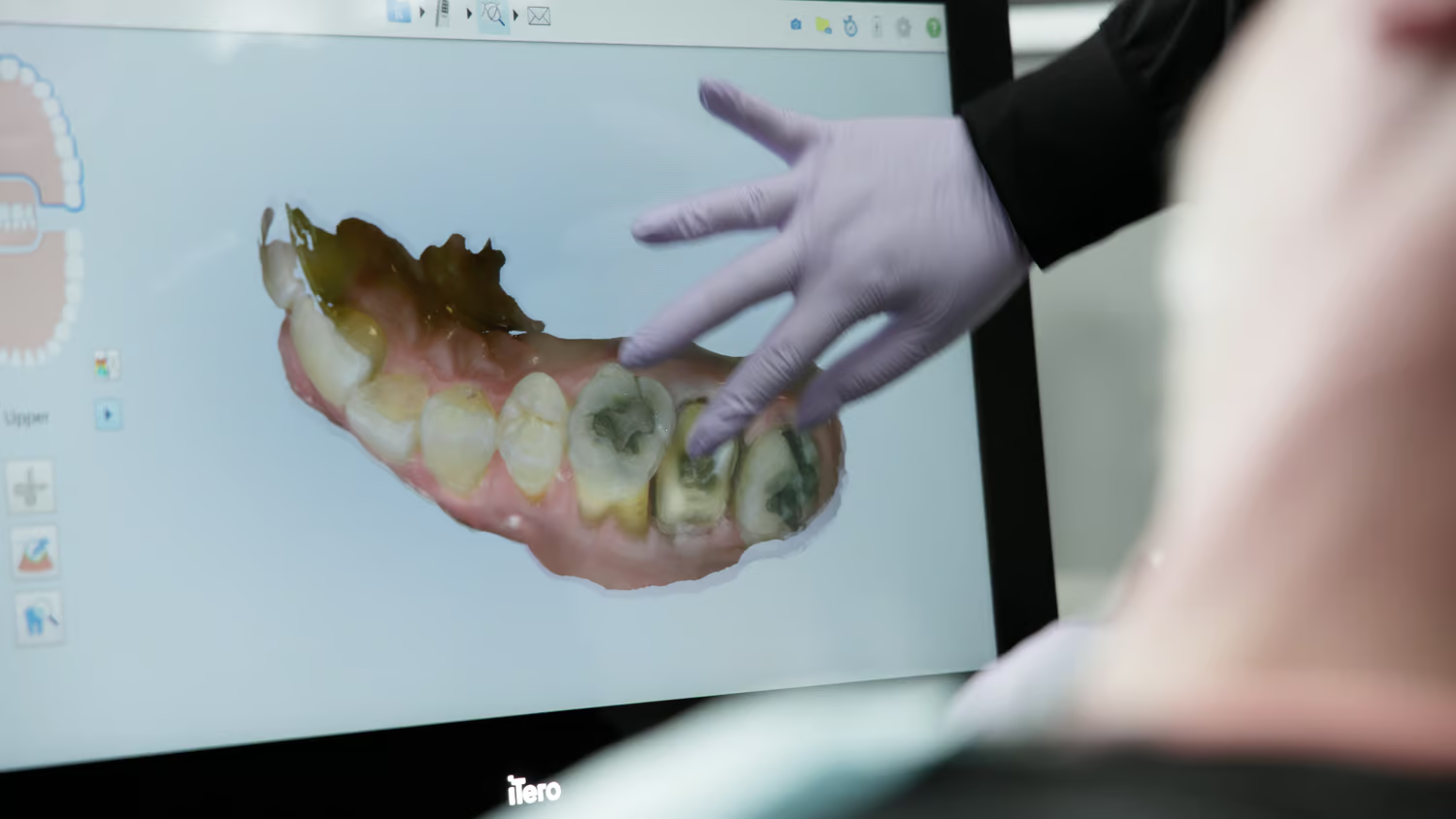
Not sure which category you're in? That's normal. An x-ray and a couple of quick tests on the tooth settle it in a few minutes, and at our Peoria office every x-ray gets a second-opinion review before we tell you what we see.

02

When a Filling or Crown Works Instead of a Root Canal

Not every aching tooth needs a root canal. Plenty of teeth that hurt are still alive and healthy inside, and the nerve just needs the irritation taken away. We'd rather do the smaller thing when the smaller thing works.

Here's the line we're looking for. If cold water hurts and the pain quits within a few seconds, the nerve is usually inflamed but not dying. Dentists call that reversible pulpitis. A deep composite filling or a crown over the tooth often settles it down within a couple of weeks. But if that cold hits and the ache lingers for a minute or longer, or it wakes you up at night, the nerve is likely past saving.

A few situations where we hold off:

  • Decay that's deep but hasn't reached the nerve. A filling handles it, and we watch the tooth.
  • Sensitivity after a recent filling or crown. This is common and usually fades over two to six weeks.
  • A cracked cusp with no nerve symptoms. A crown holds the tooth together and often ends the pain.
  • Gum recession causing cold zings along the root. That's not a nerve problem at all.
  • A tooth that tests normal but aches from clenching. TMJ and grinding fool people constantly.

We see this every week. Someone comes in certain they need a root canal, and the tooth tests fine. It's a high spot on a new filling, or they've been grinding through a stressful stretch at work.

Testing is what separates the two. Cold test, tapping, a bite stick, and x-rays reviewed a second time by another doctor here in Peoria. If the results are mixed, we'll often place a filling, give the tooth a few weeks, and recheck. Waiting doesn't ruin anything as long as you're being watched.

And if the nerve does die later, the root canal is still there to do. You just didn't pay for one you didn't need.

03

What Happens During In-House Root Canal Treatment

Here's the part most people are dreading. And here's the truth about it: the appointment itself is usually calmer than the toothache that brought you in. You're numb the entire time. Most folks tell us afterward it felt a lot like getting a filling, just longer.

Because we do root canals right here at our Peoria office, you're not getting handed a referral slip and a phone number. Same building, same team, same chart.

  • We take an x-ray and look at the tooth. Every x-ray here goes through a second-opinion review before we commit to a plan.
  • We numb the area and give it time to work. If you're still feeling anything, say so. We'll add more.
  • A thin rubber sheet goes over the tooth to keep it dry and clean while we work.
  • We open the top of the tooth and clean out the infected nerve tissue inside the canals.
  • The canals get shaped, rinsed, and sealed with a filling material.
  • We close the opening and talk about the crown that protects the tooth going forward.

Most single-root teeth take about an hour. Molars run longer because they have more canals to clean, sometimes three or four of them. If a tooth is badly infected, we may treat it in two visits instead of one.

The crown part matters more than people expect. A root canal tooth is hollow and brittle, it needs a cover or it can crack later. Our Peoria office mills crowns in-house, so that step doesn't always mean a temporary crown and a three-week wait with a plastic cap you're afraid to chew on.

Afterward you'll be tender for a few days. Sore, not miserable. Regular over-the-counter pain relief handles it for most people, and the deep throbbing that kept you up at night is usually gone by the time you leave the chair.

Tooth pain that lingers? Let's find out why.
04

Recovering and Protecting the Tooth Afterward

Here's the part people don't hear enough. The tooth is going to feel tender for a few days. Not the deep throbbing you came in with. More like a bruise when you bite down on that side. That soreness comes from the ligament around the root, and it settles on its own. Over-the-counter pain relievers handle it for most folks. If you're still hurting badly after three or four days, call us. That's not normal, and we'd rather look at it than have you wait it out.

Chew on the other side until the permanent restoration is on.

A back tooth that's had a root canal is hollowed out and a little brittle. The temporary filling holds things closed, but it isn't built to take years of grinding and biting. This is where root canals get lost. The pain goes away, life gets busy, and the crown appointment slides. Then the tooth cracks down the root eight months later and there's nothing left to save. We see it every single week, and it's the most preventable thing in dentistry.

So what does the follow-through look like?

  • Soft foods and the opposite side for the first day or two.
  • Normal brushing and flossing right away, gently around the temporary.
  • Come back for the crown as soon as it's scheduled, not when the tooth complains again.
  • Keep up with regular dental exams so we can watch the root and the bone around it.

At our Peoria office we mill crowns in house, so the gap between the root canal and the finished tooth can be short. That matters more than it sounds. Fewer weeks in a temporary means fewer chances for a cracked cusp or a loose filling. And you're not driving back across town four times for one tooth. Treat the crown as part of the root canal, not a separate errand, and that tooth can keep working for decades.

05

Understanding Root Canal Costs and Payment Options

Let's talk about the part nobody wants to bring up. Cost. It's the first question on most people's minds, even when they're sitting there in pain. And it's a fair question to ask out loud.

Here's how root canal pricing works across dentistry in general. The fee isn't one flat number. It moves based on which tooth needs treatment, because a front tooth usually has one canal and a back molar can have three or four. More canals means more time in the chair. Whether the tooth has been treated before matters too. So does the shape of the roots, since curved or narrow canals take longer to clean out properly.

And the root canal itself is only half the bill. The tooth almost always needs a crown afterward to keep it from cracking. That's a separate procedure with its own fee. Any dentist who quotes you a root canal price without mentioning the crown isn't giving you the whole picture.

  • Ask which tooth it is and how many canals they expect to find.
  • Ask whether the crown is included in the number they gave you.
  • Ask for a written estimate before you schedule.
  • Ask what happens to the cost if they run into a complication mid-treatment.
  • Ask what the alternative costs, because pulling the tooth and replacing it later is usually more.

On our end, we're a fee-for-service practice. We accept and bill most insurance plans, though we're not in-network with any of them, and we don't take Medicaid. Peoria's median household income sits around $59,410, and we know a surprise dental bill lands hard on a lot of households here. That's why we offer CareCredit and 0% interest payment plans up to six months. You get a clear estimate before anything starts, not after.

Nobody should lose a tooth over a payment question they were too embarrassed to ask.

FAQ

Answers to the most common questions.

Something else on your mind?
Call us at (309) 690-4500.

How do I know if I need a root canal or just a filling?

The key is how long the pain lasts after hot or cold. If it fades within a few seconds, a filling or crown often solves it. If it lingers a minute or longer, or wakes you up at night, the nerve is usually past saving. We settle it with an x-ray and a few quick tests, so you're never guessing on your own.

What if my tooth stopped hurting? Does that mean it's healed?

Not always, and this catches people off guard. When a nerve dies, pain sometimes quiets down for weeks before infection spreads into the jaw. We see this often, someone feels fine for a month, then wakes up with facial swelling. If a tooth hurt badly and then went silent, it still needs a look.

What happens during a root canal appointment?

You're numb the whole time, and most patients say it feels like a longer filling appointment. We take an x-ray, numb the area, clean out the infected nerve tissue, then shape and seal the canals. Single-root teeth usually take about an hour, molars run longer since they have more canals to treat.

Do I need to see a specialist for a root canal in Peoria?

No, our Peoria office handles root canals in-house, so you skip the referral runaround. You stay in the same building, with the same team and the same chart, instead of getting sent out to a separate specialist's office for treatment.

How long does recovery take after a root canal?

Most people feel tender for a few days, not miserable. Regular over-the-counter pain relief handles the soreness for most patients, and the deep throbbing that brought you in is usually gone before you even leave the chair. Full healing around the tooth continues quietly over the following weeks.

Why does a tooth need a crown after a root canal?

A root canal tooth becomes hollow and brittle, so a crown protects it from cracking under normal chewing. Our Peoria office mills crowns in-house, which often means skipping the temporary crown and the weeks-long wait some offices require before your permanent one is ready.

Request an appointment

Call us at (309) 690-4500

Tell Us About Yourself

Are you new to Associates in Dentistry?

Preferred Day and Time (optional)
Thank you! Your submission has been received!

That didn't go through. Please try again, or call your office.