

What Happens If You Don't Replace a Missing Tooth
Here are the main changes we talk through with patients. You might notice one before you notice the others.
- Teeth beside the gap may tip into the open space.
- Chewing may feel less balanced, so you may favor the other side.
- The jawbone beneath the missing tooth may lose some of its shape.
The American Dental Association notes that missing teeth can affect chewing and nearby teeth. The National Institute of Dental and Craniofacial Research describes bone loss after tooth loss. Still, those changes take time, and your own mouth needs a closer look.
The first change you notice might be small. Food may catch near the gap. Or you might start chewing on one side without thinking about it. Is that a big deal today? Maybe not. But it's worth telling us, especially if that habit feels new.
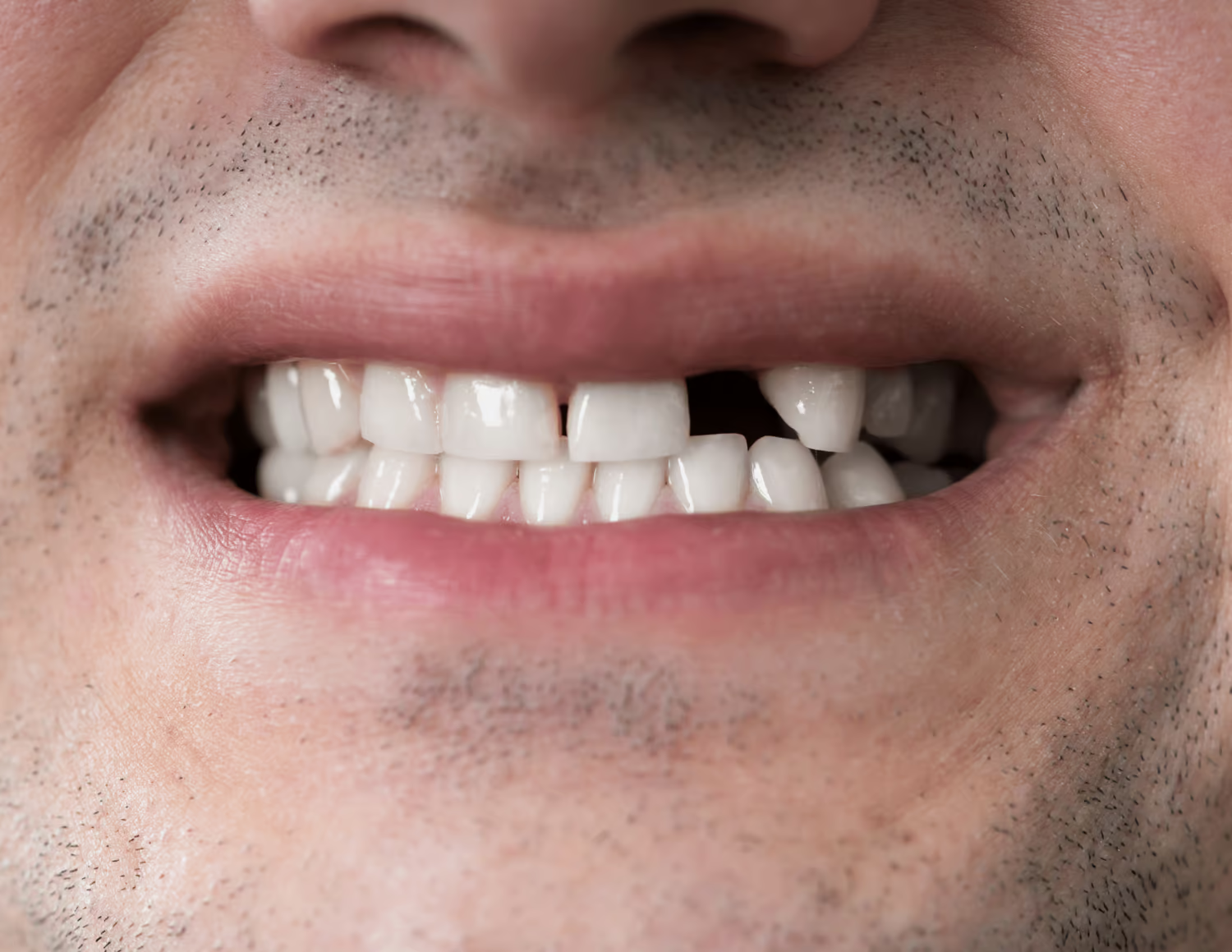
We often hear that a missing back tooth doesn't seem urgent because nobody sees it. That makes sense. Yet back teeth help you chew, and the teeth around a gap can move. The gap stays open, and nearby teeth may lean toward it. Your bite changes, and the other side may take on more work.
Picture someone in Canton who's missing one back tooth. At first, they can eat as usual. Months later, they notice food packing into the gap and chewing feels odd. That doesn't tell us exactly what's changed. It tells us where to start looking.
We check the space, the nearby teeth, and how your teeth meet. We also listen to what feels different to you. Dr. Thum was born and raised in Canton, and we want these talks to feel plain and useful. No lecture. Just a clear look at what your mouth needs.
A gap doesn't mean Implant Restoration is automatically the next step. We'd first need to know what sits beneath the gums and what your bite needs. If you already have a dental implant, our Implant Restoration page explains how we restore the tooth you see and use.
And if you've put off asking because nothing hurts, you're not alone. Pain isn't the only reason to check a gap. But you don't need to guess what might come next. You can get a clearer answer from a Dental Exam.
Don't wait for the gap to feel like a problem before asking about it.
Bone Loss and Your Jaw: Why It Happens Without Pain
A missing tooth can feel like a problem you've already handled. You've learned to chew on the other side. The gap doesn't hurt, and your gum looks fine. But your jawbone may still be changing beneath it. The American Academy of Periodontology notes that tooth loss can lead to jawbone loss.
No pain doesn't mean nothing is changing.
Your jawbone supports your teeth. Around a natural tooth, the root helps keep that bone active. Once the tooth is gone, that area no longer gets the same use. Over time, the bone there can shrink. Your gum may cover the change, so you might not see it in a mirror.
We often explain this as a change you can't judge by comfort alone. The gap may look unchanged, yet the bone underneath can still shrink. Why doesn't it hurt? Bone loss after tooth loss can happen without the sharp pain you'd expect from a sore tooth.
You don't need to watch the gap every day. Still, a few changes are worth mentioning at a dental exam. They don't prove bone loss on their own.
- The gum around the gap looks lower than you remember.
- Food catches near the gap more often.
- A nearby tooth seems to have moved toward the open space.
- Chewing on that side feels different, even without pain.
Sometimes you won't notice any of these. Your gum can look smooth, while the jaw below may still be changing. That's why an exam helps more than a guess. A dentist can look at the area and explain what's happening beneath the gum.
Picture someone in Canton who lost a back tooth months ago. They're eating normally now, so they assume the gap can wait. We hear that reasoning often. But getting used to a gap tells you about your habits. It doesn't tell you what's happened to the bone.
And it's okay if you've waited. You don't need to know when the change began before asking about it. We start with what you've noticed, then look at the space itself. Has chewing changed? Does food collect there? Those details help us understand your concern.
Bone loss also matters if you're thinking about an implant. An implant needs enough bone to support it. If you already have an implant, implant restoration addresses the tooth attached to it. It doesn't replace missing jawbone. So it's worth finding out what's happening in your jaw before assuming the gap is harmless.
The quiet part is what surprises most people. You can feel fine and still have a question worth checking. And the sooner you understand the space, the less you have to guess about it.
Learn more on our Dental Implant Restoration in Canton page.
Shifting Teeth and Bite Problems Over Time
A missing tooth leaves more than an empty spot. The gap stays open, and nearby teeth can lean toward it. The tooth across from the gap may move too. These changes can affect how your upper and lower teeth meet. They often happen slowly. You might not notice anything at first. But a bite that once felt even can start feeling off. The American Dental Association notes that nearby teeth can shift after tooth loss.
Small changes can add up.
Imagine losing a back tooth and chewing on the other side. At first, it feels like an easy fix. Later, food keeps catching near the gap. Your bite feels different, and you start chewing on one side more often. Does that sound familiar? These signs don't prove your teeth have shifted. But they're worth mentioning during a dental visit. You don't have to figure out the cause alone.
Shifting doesn't look the same for everyone. Where the gap sits matters. So does the way your teeth fit together. Here are a few changes worth noticing:
- A tooth near the gap looks tilted. Food may catch in a spot that used to stay clear.
- One tooth touches before the others when you close your mouth. That first contact may feel strange.
- You keep choosing one side to chew. After a while, that habit can feel normal.
None of these signs tells the whole story. We look at the gap and check how your teeth meet.
Why check the tooth across from the gap? Teeth touch other teeth when you bite down. Without that contact, the opposite tooth can move toward the open space. A nearby tooth may also tip toward it. Together, those changes can leave less room where the missing tooth once sat. And a photo won't always show what's happening. We need to see how your teeth touch when you close.
At Associates in Dentistry, we start with what you've noticed. We may ask you to bite as you normally do. Then we check which teeth touch first. We also look at the space beside the missing tooth. For our Canton patients, one question often helps: Has chewing changed since you lost it? You may not remember when the change began. That's okay. We can focus on how your bite works now.
If you already have an implant, Implant Restoration may help complete the tooth's visible part. But we first need to check the room available for it. Teeth that have moved into the gap can affect that plan. And if you're unsure what has changed, that's a fair place to start.
You can ask us to check your bite. Our Implant Restoration page also explains what that service involves.
Related guide: What's the Cheapest Way to Replace a Missing Tooth? A Canton Dentist's Perspective