

What Determines Which Treatment You Need
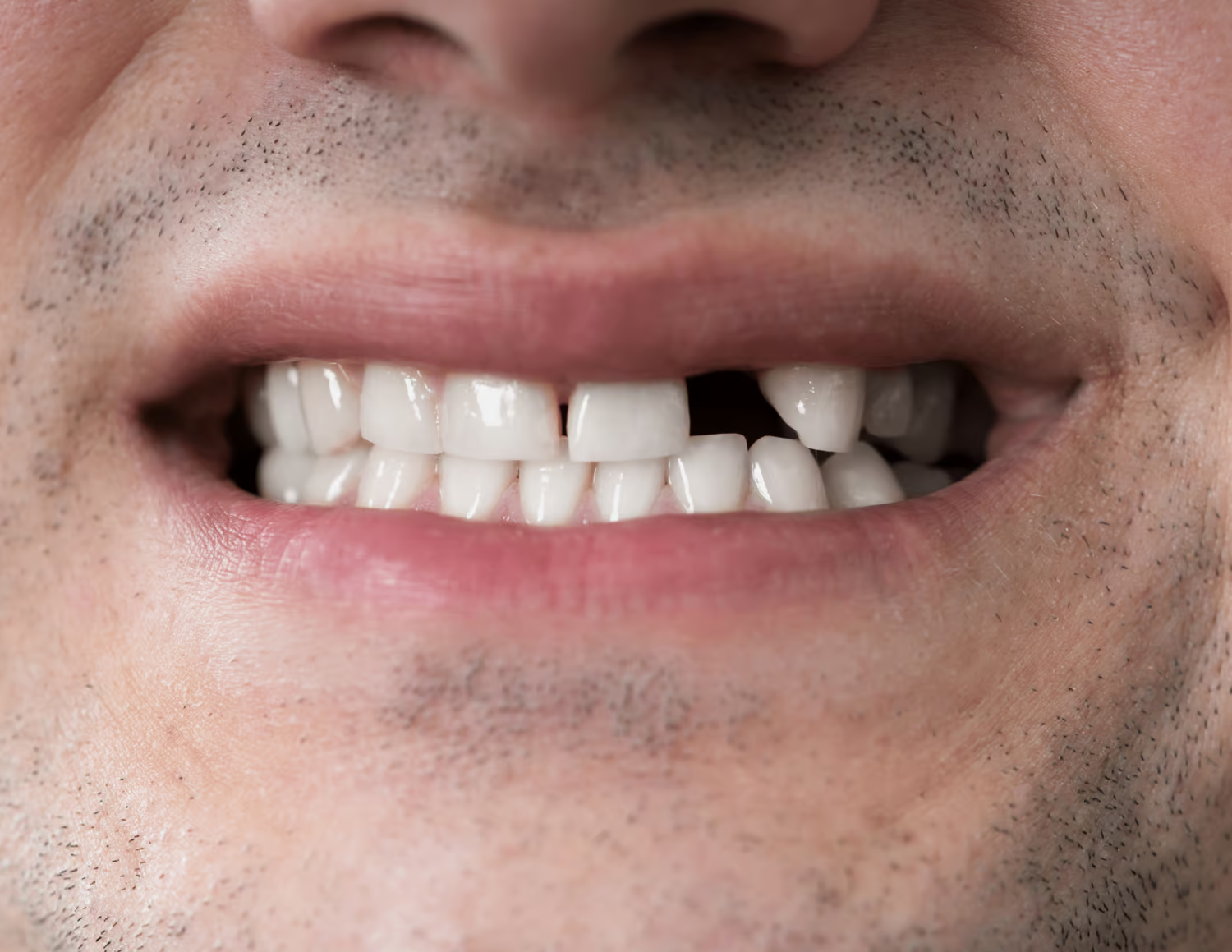
You can see a dark spot in the mirror. But you can't see everything beneath it. We start by checking the tooth and the gum around it. We also ask when you noticed the change. Has the tooth hurt with cold drinks? Did it chip while you were eating? Those details help us understand what's happening.
A front tooth's looks can fool you.
A small mark may cover a deeper weak spot. And a badly stained tooth may still have enough strength to save. We check the tooth's edges and how it meets your other teeth. We also look for swelling near the gum. Pain can fade, the problem can stay. So we don't use pain alone to choose treatment.
Four questions guide that choice. Each answer narrows the options. The American Dental Association describes Composite Fillings, Dental Crowns, and Root Canals as treatments for damaged teeth.
- How much healthy tooth is left? If decay is limited, a Composite Filling may repair the area. A larger weak spot may need a Dental Crown. The dentist checks whether enough firm tooth can support either option.
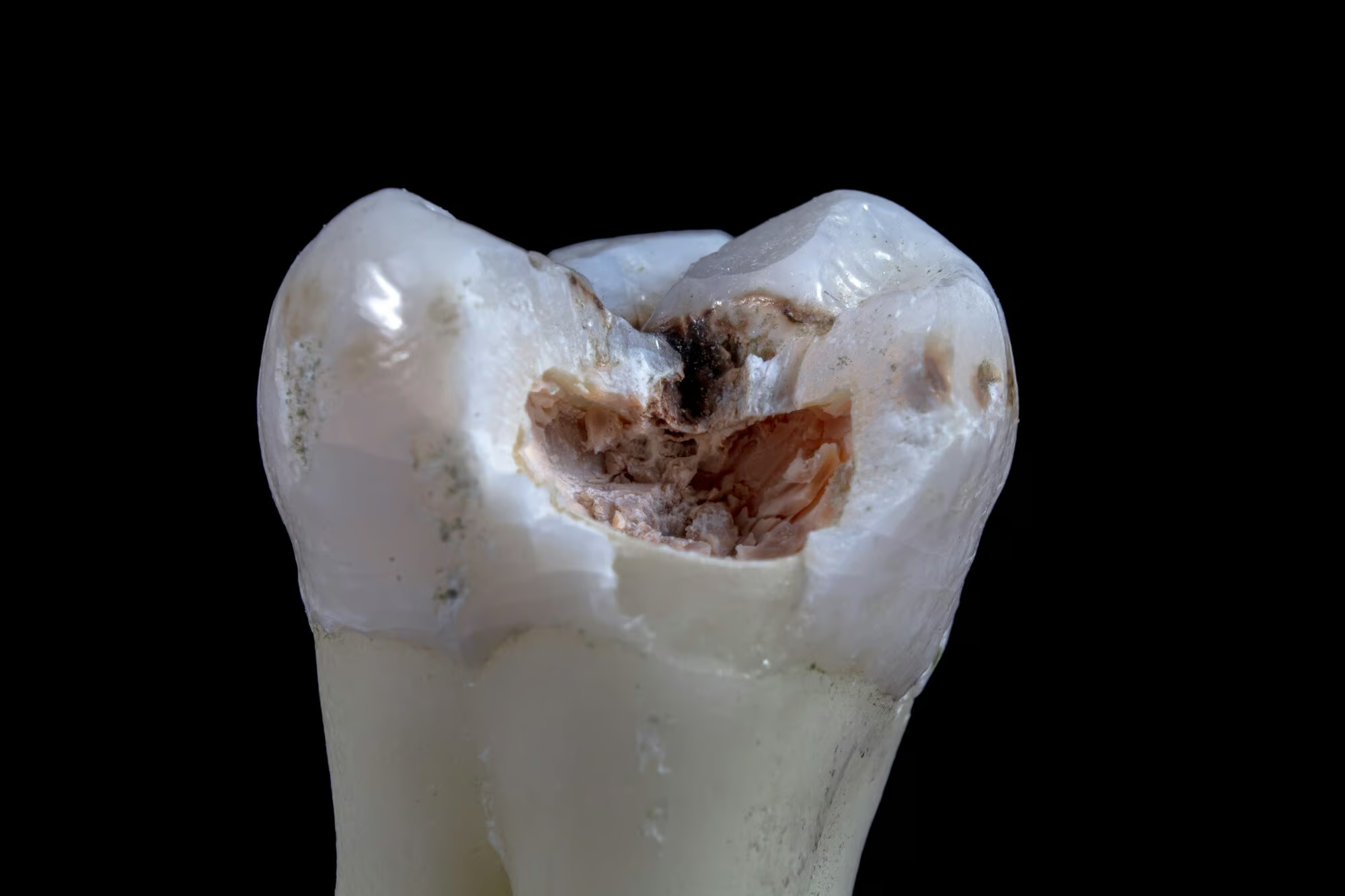
- Has decay reached the inside of the tooth? The soft tissue inside can become infected. A Root Canal may help save the tooth if its root and structure can still support it. And the tooth may need a Dental Crown afterward.
- Is the root sound? A crack can be hard to judge from the front. But a crack below the gum - that's a different concern. We check how far it goes before discussing whether the tooth can stay.
- Is there swelling or trouble biting? Tell us where you feel it. We see people who first notice trouble while biting into a sandwich. A sore gum or loose tooth can change the plan.
Imagine a front tooth that chips while you eat. It might need a Composite Filling if the rest is sound. But if decay has weakened much more of it, that small chip isn't the whole story. We see this mistake often: people judge the damage by the piece that broke off.
Sometimes a tooth can't support repair. That's when we discuss Emergency Tooth Extraction rather than promise a fix that won't hold. It's a careful decision, not one we make from a photo. If you're in Washington, our Emergency Tooth Extraction page explains that next step.
You don't need to guess which treatment fits. Start with a Dental Exam and tell us what changed. We'll explain what we find and why we recommend the next step.
Front Tooth Cavity Treatment Options Explained
A dark spot on your front tooth doesn't always mean you'll lose it. The spot may look small, decay can reach deeper than you'd think. A Dental Exam helps show how much tooth is still strong. Your dentist may also need an X-ray to check beneath the surface.
We often hear people ask if the tooth can look normal again. That's a fair question. The answer depends on where the decay sits and how far it's spread. Front teeth also need to hold up when you bite into food. So the goal isn't just to hide a dark spot. It's to treat the damage beneath it.
Here are the main options a dentist may discuss after checking your tooth.
- Composite Fillings can repair a smaller cavity. Your dentist removes the decay and fills the space with tooth-colored material. This may work when enough healthy tooth remains. You'll still need an exam to know if the damage is truly small.
- A Dental Crown may help when a front tooth has lost more structure. It covers the tooth after the decay is treated. But a crown needs enough sound tooth beneath it. A dentist must check that before recommending one.
- Root Canals may be needed if decay reaches the tissue inside the tooth. Your dentist treats that inner space before planning the tooth's final repair. Pain isn't the only clue. Some teeth with deep decay hurt very little.
- Emergency Tooth Extraction may be needed if the tooth can't be repaired. This isn't the first choice for every dark or broken tooth. Your dentist checks the remaining tooth and surrounding area before discussing removal.
A common mix-up is thinking a front tooth needs extraction because its edge broke. Sometimes the break only shows part of the damage. We check what's left near the gumline before talking through options. That detail can change the plan.
Picture someone in Washington noticing a rough spot beside a front tooth. It doesn't hurt, so they wait. Later, a piece chips off while they eat. Could a Composite Filling still help? Maybe, but the visible chip can't answer that question alone.
The American Dental Association notes that cavities can form without causing pain at first. So don't use pain as your only guide. If your tooth looks darker, feels rough, or traps food, get it checked. And if your face swells or the pain grows, call promptly.
You don't have to decide on a treatment by looking in the mirror.
At your visit, ask what the dentist sees and what's still strong. If a filling won't hold, ask why. If the inner tooth needs care, ask what comes next. But don't feel you must choose before you've seen the exam results. A clear look at the tooth comes first.
Learn more on our Emergency Tooth Extraction in Washington page.
How Far Has It Progressed? Three Common Scenarios
A dark spot on your front tooth can be hard to judge. What you see in the mirror doesn't always show how deep the decay goes. We look at the tooth, ask about pain, and check what an X-ray shows. That helps us sort the problem into three common situations.
- Decay stays near the surface. You might see a small brown spot or feel a rough edge. The tooth may not hurt at all. If there's enough healthy tooth left, a Composite Filling may repair the damaged area. We also check where the decay begins. A spot between front teeth can be bigger than it looks from the front.
- Decay reaches the nerve. Pain may linger after a cold drink, or the tooth may ache on its own. Sometimes the pain stops, but that doesn't prove the tooth has healed. A Root Canal may treat the inside of the tooth. A Dental Crown may then protect what's left. The American Association of Endodontists notes that a Root Canal treats infected tissue inside a tooth.
- Too little sound tooth remains. A front tooth may break near the gumline or feel loose. Deep decay can leave too little tooth to hold a repair. Emergency Tooth Extraction may be needed if the tooth can't be saved. But don't decide that from a photo or a quick look in the mirror. The exam matters.
Those are guides, not a way to diagnose your tooth at home. Pain can be mild even when the damage is deep. And a tooth that looks badly stained may still have enough structure to repair. We see that difference during exams. The X-ray helps us check the root and the bone around it.
Here's a familiar example: someone bites into a sandwich and a front corner breaks away. It feels sudden. But decay may have weakened that spot for some time. We check the break, then look for firm tooth underneath. If the edge extends below the gumline, the choices may change.
Don't wait for severe pain before getting it checked.
What if the tooth already feels loose or your gum is swollen? Call a dentist promptly, especially if swelling is spreading. For now, chew on the other side and keep the area clean. Don't press on the tooth to test it. That won't tell you whether it can be saved, and it may hurt.
If you're in Washington, bring up any change you've noticed. A new dark spot, a chip, or pain with cold drinks can help guide the exam. Small details matter. We can explain what we find before you choose what happens next. No guessing from the mirror -
Related guide: Root Canal vs. Tooth Extraction: How We Help Washington Patients Decide