
.svg)
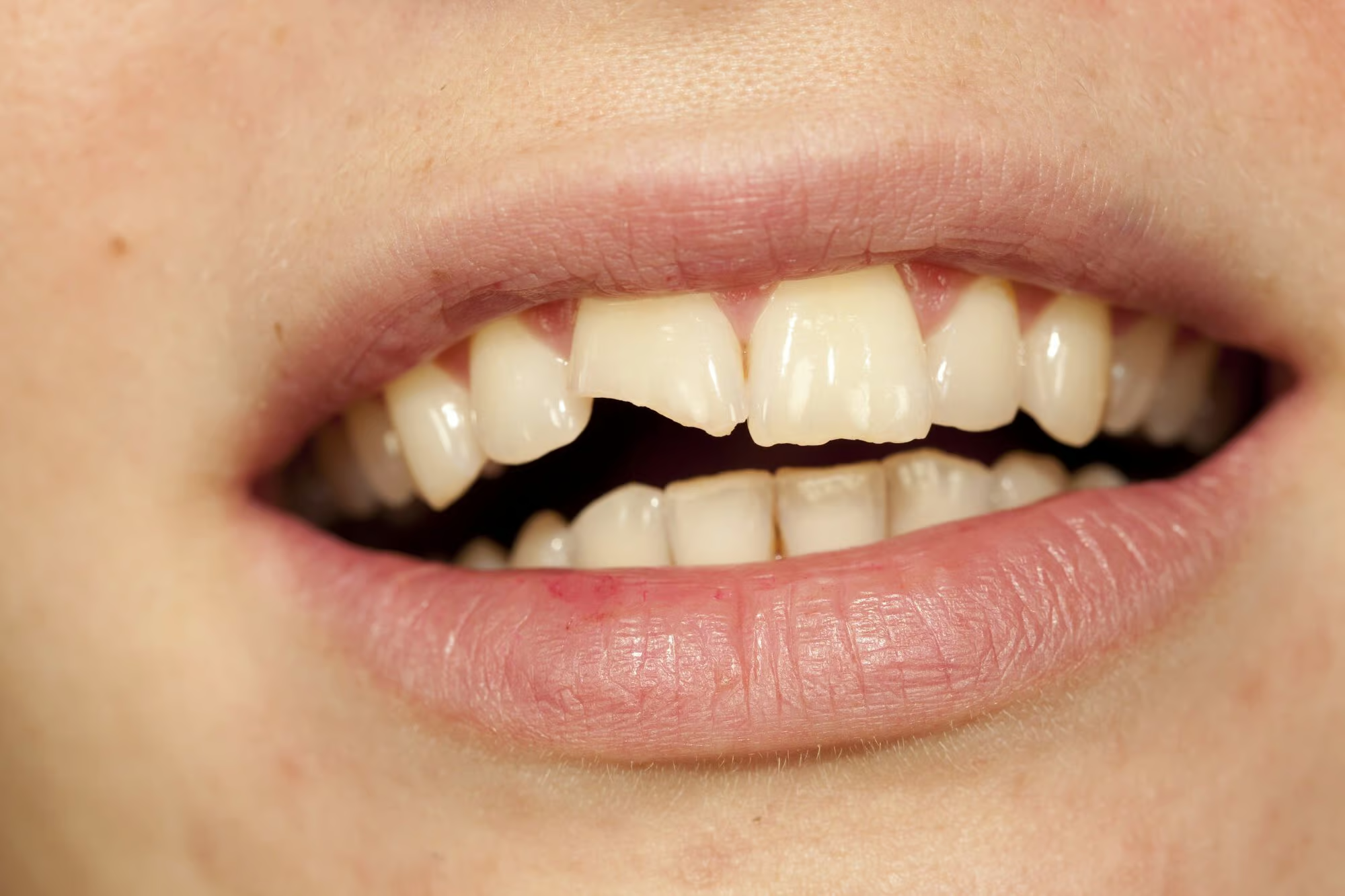



Know How Serious Your Broken Tooth Really Is
Pain is a terrible measuring stick. We see people every week who feel almost nothing and have a deep crack running into the root. And we see people in real misery from a tiny chip that's rubbing the tongue raw. So the first thing our team does is figure out what broke.
This is part of Emergency Dentistry in Peoria. Care is provided at our Peoria office by Dr. Michelle Horst, Dr. Arian Rrushaj and Dr. Jonathan Gifford.
Here's the short version of what we're looking for.
- Chipped enamel. A small piece off the edge or corner. No pain, maybe a rough spot your tongue keeps finding.
- Fractured cusp. A chunk of the chewing surface broke off, often around an old filling. Sensitive to cold, usually not to pressure.
- Cracked tooth. A line running from the chewing surface down. It hurts when you release a bite, not when you clamp down. That release pain is the tell.
- Broken tooth with nerve exposed. You see pink or red in the middle, or there's throbbing that wakes you up. This one doesn't wait.
- Split tooth or root fracture. The break goes below the gum. Sometimes there's swelling or a bad taste.
That bite-and-release test is worth doing at home. Bite gently on something soft, then let go fast. Sharp pain on the release usually means a crack, and cracks get bigger with every meal.
One more thing people miss.
A tooth that broke and then stopped hurting isn't healed, the nerve may have died. That's not good news, it just means the alarm shut off. Call us either way and we'll take a look. At our Peoria office we run a second-opinion review on x-rays, so a hairline crack doesn't get waved off by one set of eyes.

