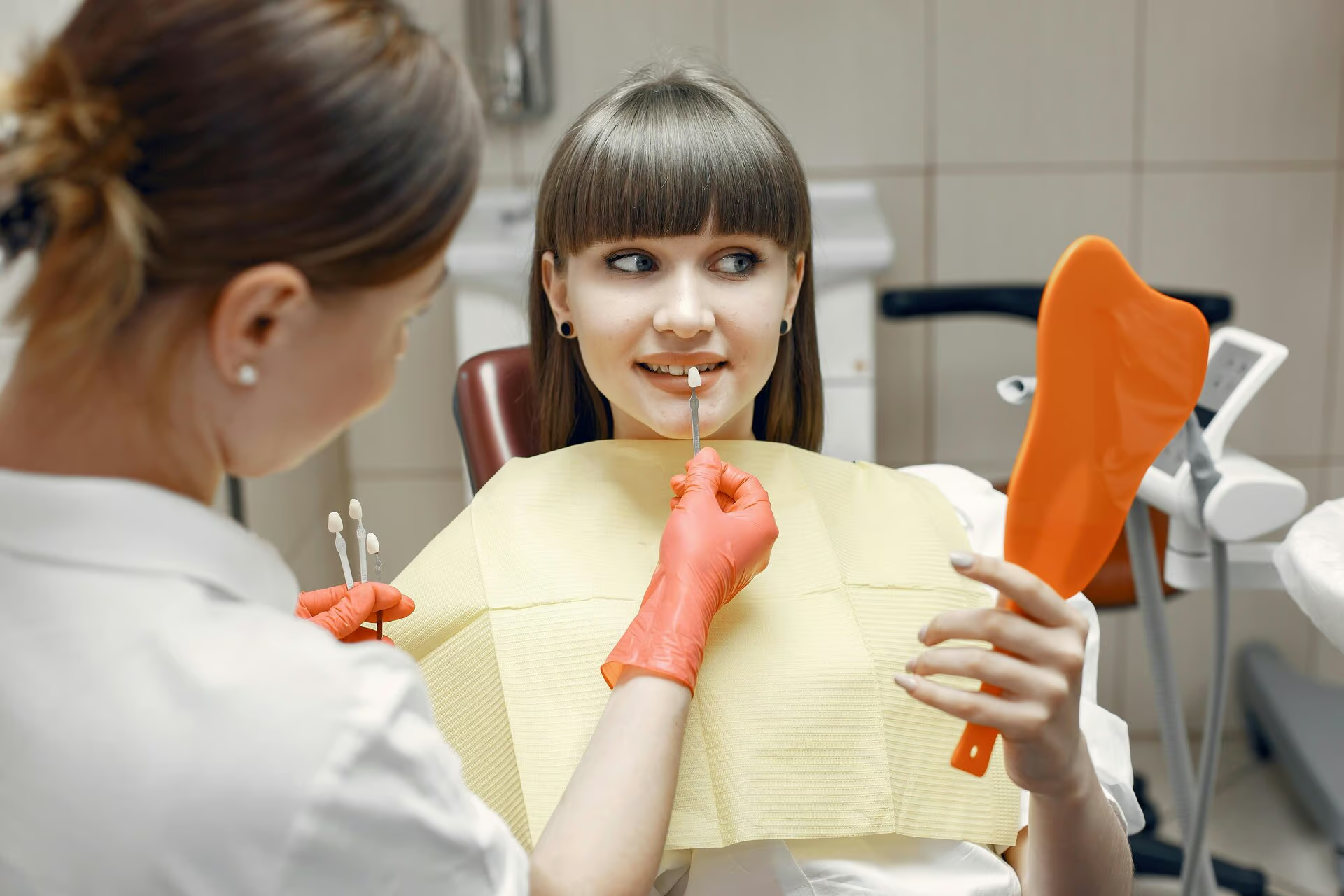



Smiling patient in a dental chair checking her teeth in a hand mirror
Your family's dental home

Veneers in Peoria: What They Fix, What They Don't, and How to Tell if You're a Candidate

Smiling patient in a dental chair checking her teeth in a hand mirror
The short answer
Reviewed by our
Peoria
doctors.
Dr. Michelle Horst, dentist at Associates in Dentistry in Peoria
Dr. Arian Rrushaj, dentist at Associates in Dentistry in Peoria
Dr. Jonathan Gifford, dentist at Associates in Dentistry in Peoria and Washington

Veneers cover the front surface of teeth that show when you smile. They work best on cosmetic problems like stains that won't bleach, chips, small gaps, and teeth that look short or uneven. They don't fix decay, gum disease, or a bite that's grinding teeth down, so those come first.

01

What Veneers Fix and Who They're For

Most people who ask us about veneers point at the same handful of teeth. The two front ones. Sometimes the four or six that show when they really smile.

This is part of Cosmetic Dentistry in Peoria. Care is provided at our Peoria office by Dr. Michelle Horst, Dr. Arian Rrushaj and Dr. Jonathan Gifford.

That's the sweet spot. Veneers are thin shells bonded over the front of a tooth, so they change color and shape without touching the back or the chewing surface. Here's what they handle well:

  • Deep staining that whitening won't lift, like tetracycline gray or old bonding that's yellowed
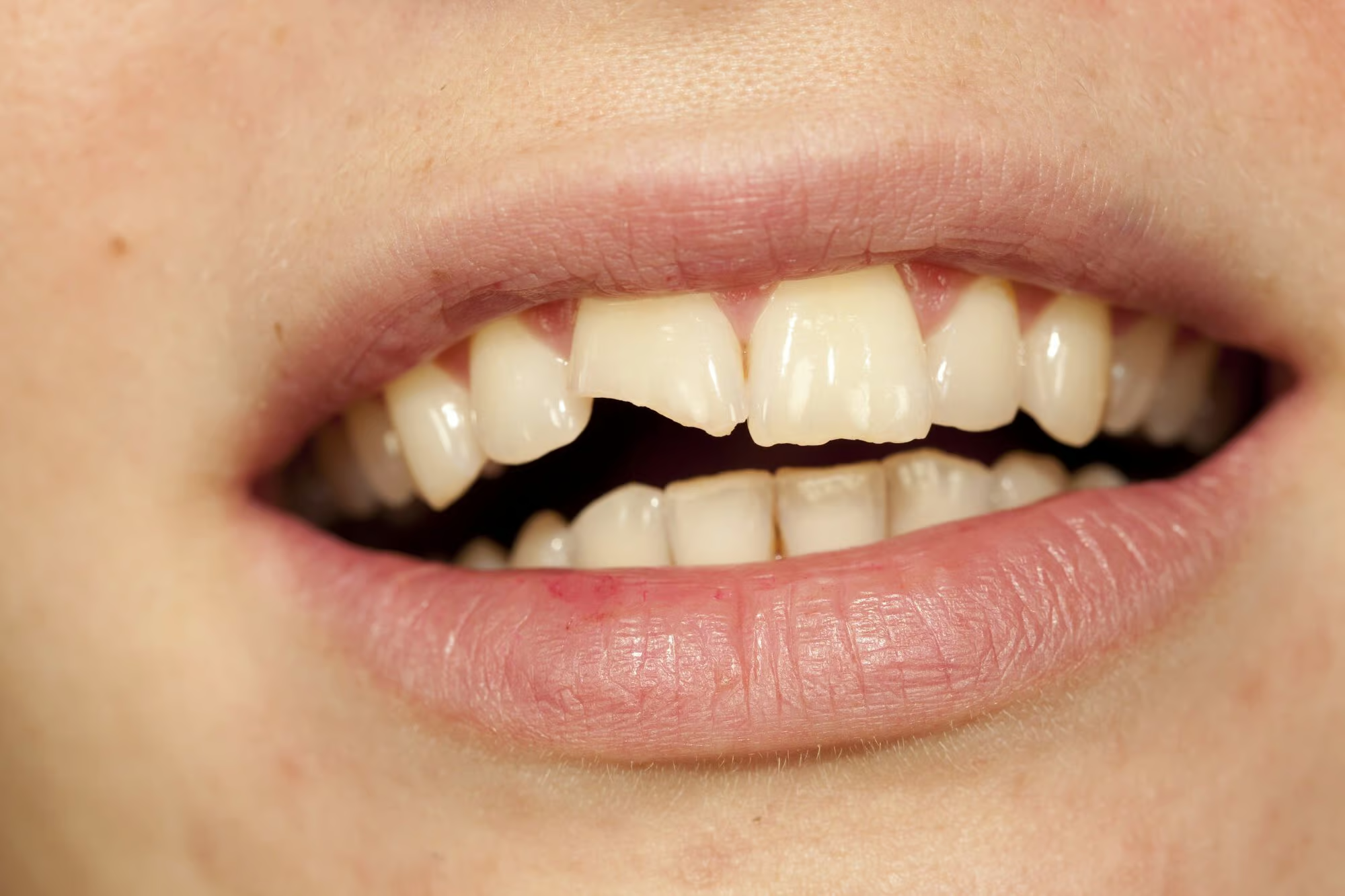
  • Chipped or worn edges on the front teeth
  • Small gaps between teeth you'd rather not close with braces
  • Teeth that look short, narrow, or mismatched next to their neighbors
  • One tooth that's darker than the rest after an old root canal

Now the part people don't always want to hear. A veneer sits on top of a tooth, it doesn't make the tooth healthier. If there's decay under the surface, gum inflammation, or an active infection, we treat that first. Cover a problem and you're just paying twice.

Grinding is the other big one. If your front edges are flat and chipping, something's loading those teeth hard. We see this every week, and it's often a bite issue or clenching at night. Bond porcelain onto that without addressing the cause and it'll chip too. It's one reason our Peoria office handles TMJ and TMD evaluation in house, so we can look at the whole picture before anyone picks a shade.

Not sure if you're a candidate? That's normal. Plenty of folks come in expecting veneers and leave with whitening and a little cosmetic bonding instead, because that's all the situation needed.

Good candidates share three things: healthy gums, enough solid tooth structure, and a clear idea of what bothers them about their smile.


02

When Veneers Are Not the Right Answer

Here's the part most people don't hear until they're already in the chair. Veneers don't fix problems. They cover them. And if there's something going on underneath, covering it just buys you a few years before the same issue shows up again, this time with porcelain on top of it.

We turn people away from veneers more often than you'd think. Not because we don't want the work. Because it wouldn't hold.

Active gum disease is the big one. If your gums bleed when you brush, the tissue line is going to move. Veneers are shaped to meet your gums exactly where they sit today. Treat the gums first, then talk about the smile. Same story with decay, a cracked tooth, or an old filling that's failing. Those get handled before anything cosmetic happens.

Grinding is the other common disqualifier. If you clench at night, you're putting force on thin porcelain over and over. Some grinders still do fine with veneers and a night guard. Some don't. That's a conversation, not a yes or no.

And sometimes the honest answer is that you need less than you think:

  • Yellowing with no chips or gaps? Professional whitening is cheaper, faster, and doesn't touch your enamel.
  • One chipped front tooth? Cosmetic bonding can handle that in a single visit.
  • Crooked teeth that are otherwise healthy? Invisalign moves your own teeth instead of covering them.
  • A tooth that's mostly filling material at this point? That's a crown, not a veneer.

There's also the permanence piece. Most veneers require removing a thin layer of enamel. Enamel doesn't grow back. If you're not sure yet, wait. Nobody should feel rushed into something that doesn't reverse.

03

The Veneer Process, Step by Step

Most people picture something far more dramatic than what happens. There's no surgery. There's usually no numbness beyond what you'd get for a filling. Here's how it goes in our Peoria office.

  • Consultation and photos. We look at your bite, your gum line, and how your lip moves when you smile. We also check for grinding, because that changes the plan.
  • Design. We scan your teeth with the iTero Lumina scanner, so no goopy trays. You see a digital preview of the shape and length before anything is touched.
  • Preparation. We remove a thin layer of enamel from the front of each tooth. Thin. We're talking about the thickness of a fingernail on most cases.
  • Temporaries. You leave with provisional veneers that look like teeth, not stumps. Wear them for a couple of weeks and tell us what bugs you.
  • Bonding. We try in the finals, check the color in natural light, then bond them with adhesive and cure them in place.
  • Bite check. We adjust how the top and bottom meet. This step gets rushed elsewhere and it's the one that protects the veneers long term.

The temporary stage matters more than people expect. It's your test drive. If the front teeth feel too long when you say certain words, we hear about it then, not after the permanent ones are cemented.

Sore for a day or two afterward? That's normal. Cold sensitivity can hang around a little while as the teeth settle, it usually fades on its own.

And if you grind at night, we'll talk about a guard before we finish. Porcelain is strong, but it isn't forgiving of a clenching habit nobody addressed.

Wondering if veneers are right for your smile?
04

Preparing for Your Veneer Consult

Bring photos. Old ones, current ones, a picture of a smile you like off the internet. It sounds silly, but it saves us an hour of guessing. Words like "whiter" and "straighter" mean different things to different people, and a photo settles that fast.

Then tell us the boring stuff. Do you clench at night? Wake up with a sore jaw? Chip the same front tooth twice? Any of that changes the plan before we ever talk about shade or shape. We also want to know if you've had whitening done recently, because porcelain doesn't lighten later and we want your natural teeth settled first.

At our Peoria office we scan instead of taking goopy impressions. The iTero Lumina gives us a digital model of your bite in a few minutes, and you can see your own teeth on the screen while we point at what's going on.

Come with questions. Good ones to ask any dentist you're considering:

  • How much of my natural tooth are you removing, and why that amount?
  • Am I a candidate for no-prep or minimal-prep, or does my case need more?
  • What happens to my gums and bite after these are on?
  • Can I see a mock-up or trial smile before anything is permanent?
  • What's the plan if one chips in five years?

That last question matters more than people think. Veneers aren't a one-time purchase, they're something you maintain, and you want a practice that plans for year ten and not just delivery day.

One more thing. If cavities or gum inflammation show up on the exam, we handle those first. Nobody enjoys hearing that. But bonding porcelain to a tooth that's already struggling is how you end up redoing the work, and we'd rather spend that visit fixing the foundation.

You don't have to decide anything at the consult. Plenty of folks take the plan home and sit with it for a few weeks.

05

Caring for Veneers After Placement

Here's the part people don't ask about until the case is done. Veneers don't need special care so much as consistent care. You brush twice a day, you floss around each one, you show up for cleanings. That's it. The porcelain itself won't stain the way natural enamel does, so your morning coffee isn't the enemy anymore. But the tooth underneath the veneer and the gum tissue around it are still yours, and they still get cavities and gum disease.

Most of the veneer failures we see aren't the porcelain giving out. They're the tooth behind it, or the bite.

Grinding is the big one. If you clench at night, a nightguard isn't optional. Porcelain is strong under steady pressure and brittle under sharp force, and a grinder can chip a brand new veneer in a matter of months. We'd rather build the guard into the plan from day one than repair a case later. Same goes for habits like chewing ice, opening packaging with your front teeth, or biting your nails. Those aren't lectures, they're just the things that break veneers.

  • Use a non-abrasive toothpaste. Whitening pastes with heavy grit can dull the glaze over time.
  • Floss every day, especially along the gumline where the veneer meets the tooth.
  • Wear a nightguard if you grind or clench, even lightly.
  • Keep your regular cleanings so we can check the margins while they're still easy to fix.
  • Call us about a small chip early. Small repairs stay small.

One more thing worth knowing. Your natural teeth can still shift and your gums can recede a bit over the years, and that can expose the edge where the veneer meets tooth. At cleanings we look right at those margins under magnification. Catching a loose edge at a checkup is a quick fix, catching it a year later usually isn't.

FAQ

Answers to the most common questions.

Something else on your mind?
Call us at (309) 690-4500.

How many teeth do most people need veneers on?

Most people only need veneers on the teeth that show when they smile, usually the two front teeth or the four to six beside them. That's the range we see most often in our Peoria office. Going wider than what bothers you just adds cost and removes more enamel than needed. During your consult, we look at your smile line to figure out exactly which teeth are visible and worth covering.

Can veneers fix crooked teeth instead of braces?

Veneers can close small gaps and mask mild unevenness, but they don't move teeth like braces or Invisalign do. If your teeth are crooked but otherwise healthy, Invisalign shifts your own teeth into place instead of covering them with porcelain. We only recommend veneers for spacing issues when the misalignment is minor. For bigger shifts, straightening first gives you a better long-term result.

Will grinding my teeth at night ruin veneers?

Grinding can chip or wear down veneers over time, especially if it's not addressed before treatment. We see flat, chipped front edges every week in Peoria, and it's almost always a bite or clenching issue. Some people do fine with veneers plus a night guard, others need more evaluation first. We check for grinding at your consult so we can plan around it, not around a repeat problem.

Does getting veneers hurt?

Most people feel little to no pain during the process, similar to getting a filling. You might have mild soreness for a day or two after your enamel is prepped, and some cold sensitivity while your teeth settle. That sensitivity usually fades on its own within a couple weeks. The temporary veneer stage lets you flag anything uncomfortable before your final ones are bonded in place.

What should I bring to a veneer consultation in Peoria?

Bring photos, either old pictures of your smile or an image of a smile style you like. This gives us something concrete to work from instead of guessing what 'whiter' or 'straighter' means to you. Also come ready to mention if you clench at night or have chipped the same tooth more than once. That history helps us plan a veneer design that holds up.

How do I know if I'm a good candidate for veneers?

You're likely a good candidate if you have healthy gums, enough solid tooth structure, and a clear idea of what bothers you about your smile. Active gum disease, decay, or untreated grinding usually need treatment first. Plenty of people come into our Peoria office expecting veneers and leave with whitening or bonding instead, because that's all they needed. A consult sorts out which path fits your teeth.

Request an appointment

Call us at (309) 690-4500

Tell Us About Yourself

Are you new to Associates in Dentistry?

Preferred Day and Time (optional)
Thank you! Your submission has been received!

That didn't go through. Please try again, or call your office.