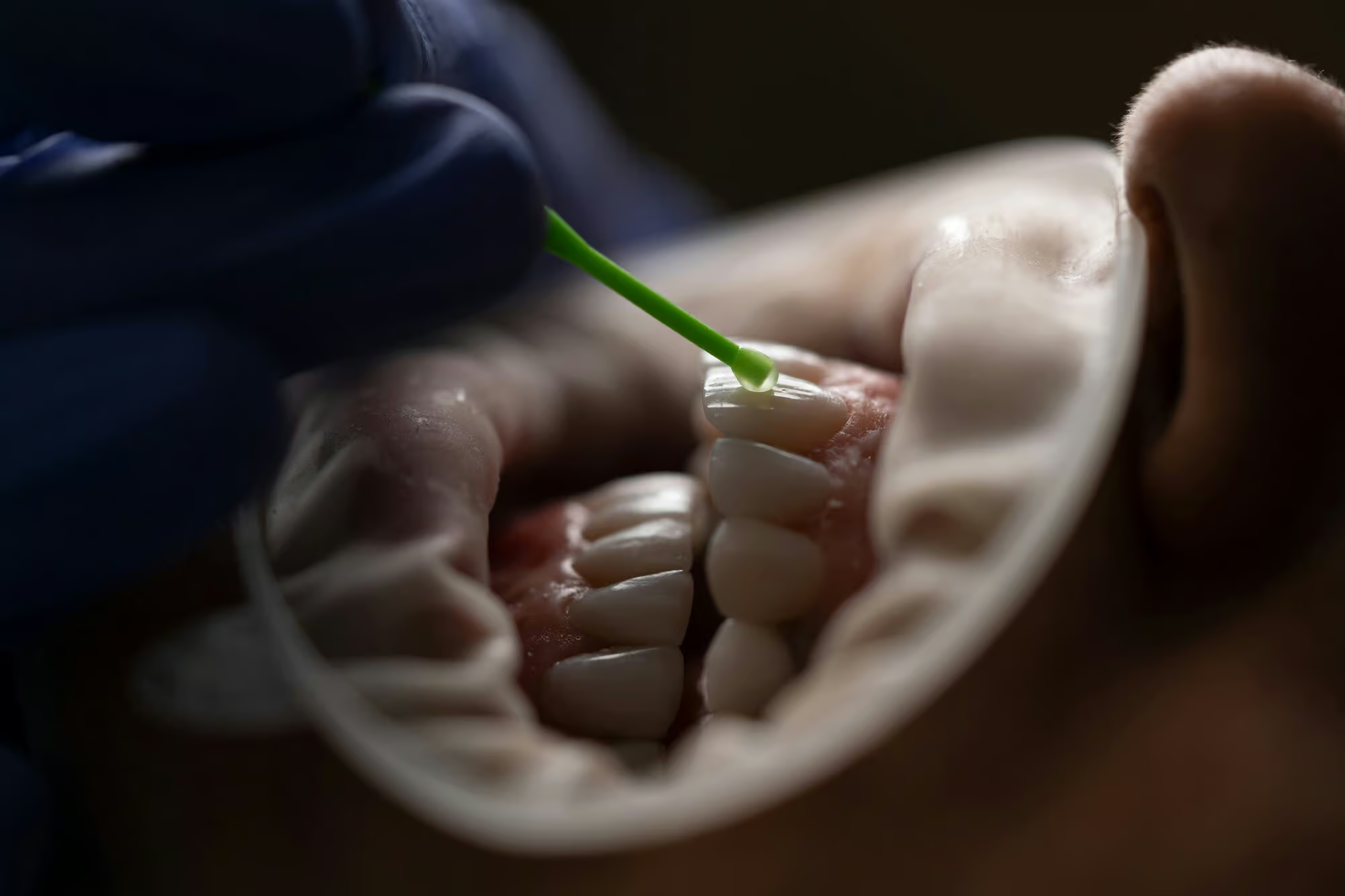



Whitening gel being applied to a patient's teeth with a cheek retractor in place
Your family's dental home

Teeth Whitening in Peoria: Get a Brighter Smile the Right Way

Whitening gel being applied to a patient's teeth with a cheek retractor in place
The short answer
Reviewed by our
Peoria
doctors.
Dr. Michelle Horst, dentist at Associates in Dentistry in Peoria
Dr. Arian Rrushaj, dentist at Associates in Dentistry in Peoria
Dr. Jonathan Gifford, dentist at Associates in Dentistry in Peoria and Washington

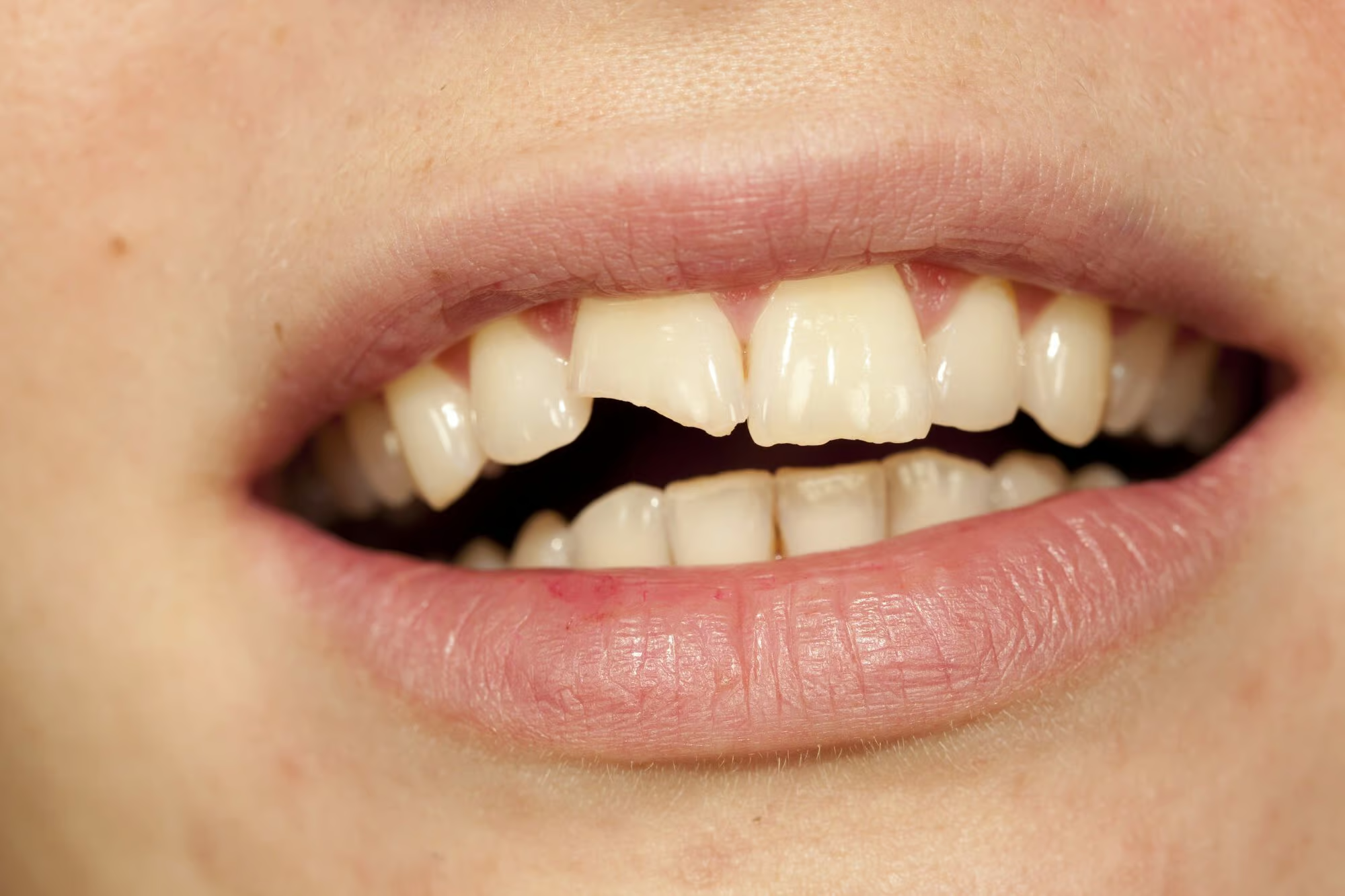
Tooth stains fall into two groups. Surface stains sit on the enamel from things like coffee, tea, red wine, and tobacco, and these respond well to whitening. Deeper stains come from inside the tooth through aging, old trauma, certain medications, or thinning enamel, and those behave very differently under the same gel.

01

What Causes Teeth to Stain in the First Place

Most people think their teeth got yellow. Usually what happened is a slow buildup that nobody notices day to day. You see it in a photo, or next to somebody else's smile, and suddenly it's all you look at.

This is part of Cosmetic Dentistry in Peoria. Care is provided at our Peoria office by Dr. Michelle Horst, Dr. Arian Rrushaj and Dr. Jonathan Gifford.

Surface staining is the common one. Enamel isn't a smooth sheet of glass. It's porous, and pigment from what you drink and eat settles into those pores over years. This kind of stain lifts well, and it's the reason most patients walk out happy.

  • Coffee and black tea, especially sipped slowly over a whole morning
  • Red wine and dark sodas
  • Tobacco, smoked or chewed
  • Curry, soy sauce, tomato sauce, berries
  • Plaque that's been sitting long enough to pick up color

The other kind lives inside the tooth. Dentin, the layer under your enamel, is naturally yellow, and it gets darker as you age. Enamel thins at the same time. So the yellow shows through more even if you've never touched a cup of coffee.

Trauma does it too. A tooth that took a hit years ago can darken on its own, sometimes a decade later. Tetracycline exposure in childhood leaves gray or banded discoloration that whitening gel barely touches. And old fillings, crowns, and bonding don't whiten at all, they stay exactly the shade they were made.

That last point catches people off guard.

We see this every week. Somebody whitens at home, the natural teeth lighten a few shades, and now an old front filling looks like a dark patch. It was blending fine before. That's not a whitening failure, it's a planning problem, and it's why we look at what's causing your discoloration before anything else happens.


02

In-Office Whitening Versus Take-Home Trays

Both work. That's the part most people don't expect to hear. The difference isn't strength versus weakness, it's how the gel gets applied and how long it sits against your enamel.

In-office whitening happens in one visit. We isolate your gums, place a stronger gel, and let it work in timed rounds. You walk out with the shade change already started. It keeps settling for a day or two after. This is the route folks pick when there's a wedding, a class reunion, or headshots on the calendar and not much runway.

Take-home trays are custom-molded from a digital scan of your teeth. You wear them a set amount of time each day for a couple weeks. Slower, yes. But you control the pace, and that matters more than people think when sensitivity is in the picture.

Here's what tips the decision one way or the other.

  • Your timeline. Two weeks out or less, in-office usually makes more sense.
  • Sensitivity history. If cold water already makes you wince, trays let us dial the exposure down.
  • Existing dental work. Crowns, veneers, and tooth-colored fillings don't lighten, so the plan has to account for them.
  • How your stains got there. Surface stains from coffee and tea behave differently than deeper discoloration.
  • Whether you want touch-ups later. Trays stay yours, so you can refresh a shade down the road.

Plenty of our patients end up doing both. One in-office session to get the bulk of the change, then trays to hold it and touch up every few months.

And one honest note. If your front teeth have older bonding or a crown on the smile line, whitening alone may leave you with a color mismatch. We'd rather tell you that before we start than after.

03

When Whitening Is Not the Right Fix

Here's the part most whitening pages leave out. Teeth whitening lifts stain out of natural enamel. That's it. It doesn't touch crowns, veneers, bonding, or fillings. So if you've got a bonded front tooth or a crown on a lateral incisor, whitening the teeth around it can make that restoration look darker by comparison. We see this every single week. Someone whitens at home, then calls us because one tooth suddenly looks yellow next to the rest.

Gray teeth are a different animal too.

Yellow and brown stains respond well. Gray ones, especially from old tetracycline use or a tooth that died after trauma, often don't budge much. A single dark tooth usually means the nerve is gone, and no amount of gel on the outside fixes that. That tooth needs an inside-out approach or a veneer, and we'd rather tell you that up front than sell you trays that won't work.

Then there's sensitivity and gum health. If you've got an active cavity, a cracked filling, or gums that bleed when you brush, whitening gel is going to find those spots and make you miserable. It'll also sit on exposed root surfaces, which don't whiten anyway. Treat the problem first. The whitening still works later, and it works better on a healthy mouth.

And sometimes the honest answer is just wait. Pregnant or nursing? Hold off. Mid-Invisalign treatment? Finish the movement first, then whiten, so the shade is even across every surface. Teenager with brand-new adult teeth? Give it time.

If your teeth are white enough and what's really bothering you is a chip or crowding, whitening won't scratch that itch. Say so at your exam. We'll point you somewhere useful instead.

Ready for a brighter shade, done the right way?
04

What Happens During a Whitening Visit

Most people picture something dramatic. It's calmer than that. You sit down, we look at your teeth and gums first, and we talk about the shade you're hoping for. That first look matters more than the whitening itself. If there's decay, a cracked filling, or gums that bleed when you brush, we deal with that before any gel touches a tooth.

Here's how a typical in-office teeth whitening appointment runs:

  • We check your teeth and gums and record your starting shade against a guide.
  • We clean the surface of the teeth so the gel makes even contact.
  • A protective barrier goes over your gums and lips. This part takes a few minutes and it's the step that keeps you comfortable.
  • The whitening gel goes on the front teeth and sits for a set amount of time.
  • We rinse, reapply, and repeat depending on how your teeth are responding.
  • We check the shade again and go over what to eat and drink for the next day or two.

You'll be awake the whole time and you can tell us if anything feels sharp. Some people get a quick zing partway through, that's the nerve reacting and it fades. We can slow things down or stop early. Nobody has to tough it out.

Take-home trays work differently. We scan your teeth with the iTero Lumina scanner at our Peoria office, no goopy impression material, and the trays are built to your exact bite. You wear them at home on a schedule we set together.

And afterward? Your teeth are a little more open to staining for a day or so. Coffee, red wine, marinara, dark soda. Give them a short break.

We see the same question every week - will it hurt. Usually not. Occasionally a little. Either way you're not stuck with a surprise.

05

Managing Sensitivity and Making Results Last

Let's talk about the zingers. That quick jolt of cold sensitivity after whitening is the thing people worry about most, and it's also the thing they misunderstand most. The peroxide temporarily opens up tiny channels in the tooth. Nerves get a little chatty for a day or two. Then it settles. It doesn't mean damage, and it doesn't mean you have to quit.

We see this every week, and nine times out of ten it's manageable with small adjustments.

  • Shorten the wear time instead of stopping altogether, 30 minutes can work as well as an hour for some people
  • Skip a day between sessions rather than whitening back to back
  • Use a potassium nitrate desensitizing toothpaste for a week before you start, not just after
  • Avoid very hot or very cold drinks on whitening days
  • Tell us if a specific tooth is the loud one, that usually points to a crack, recession, or worn enamel worth looking at

Cracked or exposed root surfaces are a different story. Those don't whiten, and they can stay sore. That's the kind of thing an exam catches before you've spent two weeks fighting your own mouth.

Now, how long does it last? Honest answer, it depends on what you drink. Coffee, black tea, red wine, and dark soda are the usual suspects. Most people notice their shade drifting somewhere between six months and two years. Smoking speeds that up considerably.

The upside of custom trays is that you already own them. A single touch-up night every few months keeps things steady, and you're not starting over from scratch. Rinse with water after coffee. Wait about 30 minutes before brushing, since enamel is a bit soft right after acidic drinks. Keep your cleanings on schedule, because surface stain removal does a lot of quiet work here.

Small habits, long results. That's really the whole trick.

FAQ

Answers to the most common questions.

Something else on your mind?
Call us at (309) 690-4500.

How long does teeth whitening last?

Results usually last several months to a couple of years, depending on your habits. Coffee, tea, red wine, and tobacco cause new surface stains to build up again over time. If you kept your custom trays, you can touch up every few months to hold the shade. Patients who did in-office whitening only, without trays, tend to see color fade faster and may want a follow-up visit sooner.

Why did my front tooth look darker after I whitened at home?

Whitening only lightens natural enamel, not crowns, veneers, bonding, or fillings. If you have an old filling or crown on a front tooth, whitening the teeth around it can make that restoration stand out. We see this every week from patients who whitened without checking first. This isn't a whitening failure, it's a planning issue we can catch before you start, so nothing ends up mismatched.

Does teeth whitening work on gray or dark teeth?

Not usually. Yellow and brown surface stains respond well to whitening gel, but gray discoloration often doesn't budge much. Gray teeth often come from old tetracycline exposure or a tooth that lost its nerve after trauma. A single dark tooth on your smile line usually needs an inside-out treatment or a veneer instead. We'd rather tell you that at your exam than have gel not work for you.

Should I get in-office whitening or take-home trays?

It depends on your timeline and sensitivity. In-office whitening gets you a shade change in one visit, which works well if you have a wedding or event coming up soon. Take-home trays are custom-molded to your teeth and worn daily over a couple weeks, giving you more control if cold water already bothers your teeth. Many patients in Peoria do both: one office visit, then trays to maintain it.

Can I whiten my teeth if I have a cavity or bleeding gums?

It's best to treat those issues first. Whitening gel will find cracked fillings, active cavities, or irritated gums and make you uncomfortable. Exposed root surfaces also don't whiten, so the gel won't help there anyway. Getting your mouth healthy first means the whitening works better and feels a lot more comfortable when you do it. We check for this at every whitening exam before starting treatment.

What should I expect during my first whitening visit at your Peoria office?

We start by checking your teeth and gums before any whitening happens. We talk through the shade you want and look for decay, cracked fillings, or existing dental work that could affect your results. This step matters more than people expect, since it catches problems that would otherwise cause uneven color later. Once we know your mouth is ready, we walk you through whether in-office or trays fits your situation best.

Request an appointment

Call us at (309) 690-4500

Tell Us About Yourself

Are you new to Associates in Dentistry?

Preferred Day and Time (optional)
Thank you! Your submission has been received!

That didn't go through. Please try again, or call your office.