




Dentist wearing magnifying loupes and gloves in a treatment room
Your family's dental home

Emergency Tooth Extraction in Peoria: Same-Day Relief When a Tooth Can't Be Saved

Dentist wearing magnifying loupes and gloves in a treatment room
The short answer
Reviewed by our
Peoria
doctors.
Dr. Michelle Horst, dentist at Associates in Dentistry in Peoria
Dr. Arian Rrushaj, dentist at Associates in Dentistry in Peoria
Dr. Jonathan Gifford, dentist at Associates in Dentistry in Peoria and Washington

Most toothaches aren't extraction emergencies. The ones that are usually come with swelling, a bad taste, a tooth that moves, or pain that wakes you up at night. If you have facial swelling spreading toward your eye or jaw, or trouble swallowing, that's a same-day call, not a next-week appointment.

01

Signs a Tooth Needs to Come Out Right Away

Pain by itself doesn't mean a tooth has to come out. Plenty of teeth that hurt badly can still be saved with a root canal or a filling. What we're looking for is damage or infection that's gone past the point of repair.

Here's the honest version. A tooth cracked below the gumline, a tooth held in by nothing but soft bone, an infection that keeps coming back in the same spot - those are the ones we usually can't rescue. And the longer you sit on it, the more the surrounding bone and gum tissue pay for it.

  • Swelling in your cheek, jaw, or under your eye, especially if it's growing by the hour
  • A foul taste or drainage near the tooth, which usually means an abscess has opened up
  • A tooth you can wiggle with your tongue when it was solid a month ago
  • Pain that throbs at night and doesn't back off with over-the-counter medicine
  • A tooth broken clean off at the gumline, with the root still in place
  • Fever, chills, or trouble opening your mouth or swallowing

That last one matters more than people think. Facial swelling with a fever isn't a dental inconvenience, it's an infection your body is losing ground to.

We see a wave of these calls in Peoria every January and February. Cold snaps make cracked teeth ache, and folks who've been putting off a broken molar since fall finally hit the wall. Nine times out of ten, the ones who come in that first week keep more of their bone than the ones who wait until March.

Not sure which category you're in? Call and describe it. We'd rather tell you it can wait than have you guess wrong.

02

When a Tooth Can Often Be Saved Instead

Here's the part people don't expect to hear from us. A lot of teeth that feel hopeless aren't. Pain level tells you almost nothing about whether a tooth can stay. Some of the worst pain we see comes from teeth with perfectly solid roots and plenty of healthy structure left.

A tooth that throbs at 2 a.m. and wakes you up? That's usually an inflamed or infected nerve. The nerve is the problem, not the tooth. A root canal takes the nerve out and the tooth stays. We do root canals in house at our Peoria office, so that decision doesn't mean getting shuffled somewhere else.

Same story with a chunk that broke off while you were eating. Scary to look at. Often not a big deal structurally.

Teeth we can usually keep include:

  • A cracked or broken tooth where the fracture stays above the gumline
  • A deep cavity with pain but no loose feeling and no mobility
  • An abscess on a tooth that still has solid bone holding it
  • A lost filling or crown, even when the exposed tooth is screaming at cold air
  • A tooth knocked partly loose by an elbow or a fall, if we see you fast

That last one matters more than most people realize. A tooth knocked completely out can sometimes go back in, but the clock is short. Keep it in milk or tucked in your cheek and call right away. Don't scrub the root.

We take an x-ray and look at bone level, root condition, and how much tooth is left to build on. That's the whole decision. If the answer is save it, we tell you that, even though an extraction would be the faster appointment for everybody. Second-opinion x-ray review is built into how we practice here, so a borderline call gets more than one set of eyes on it.

You'd be surprised how often somebody walks in braced for the worst and leaves with the tooth still in their head.

03

What Happens During a Same-Day Extraction Visit

Most folks picture something far worse than what happens. The tooth coming out is usually the shortest part of the visit.

Here's how a same-day visit typically runs at our Peoria office:

  • We get you in a chair and take an x-ray of the tooth. Our doctors use a second-opinion review on x-rays here, so more than one set of eyes looks at what's going on.
  • One of our doctors checks the tooth, the bone around it, and the gum tissue. This is where we confirm whether it comes out or whether something else saves it.
  • We numb the area and wait. Really wait. Rushing the numbing is the single biggest reason people have a bad extraction story to tell.
  • The tooth is loosened and lifted out. Simple extractions take a few minutes. A surgical extraction takes longer because we're working around bone or a root that's split.
  • We pack the site with gauze, go over aftercare out loud, and hand it to you in writing too.
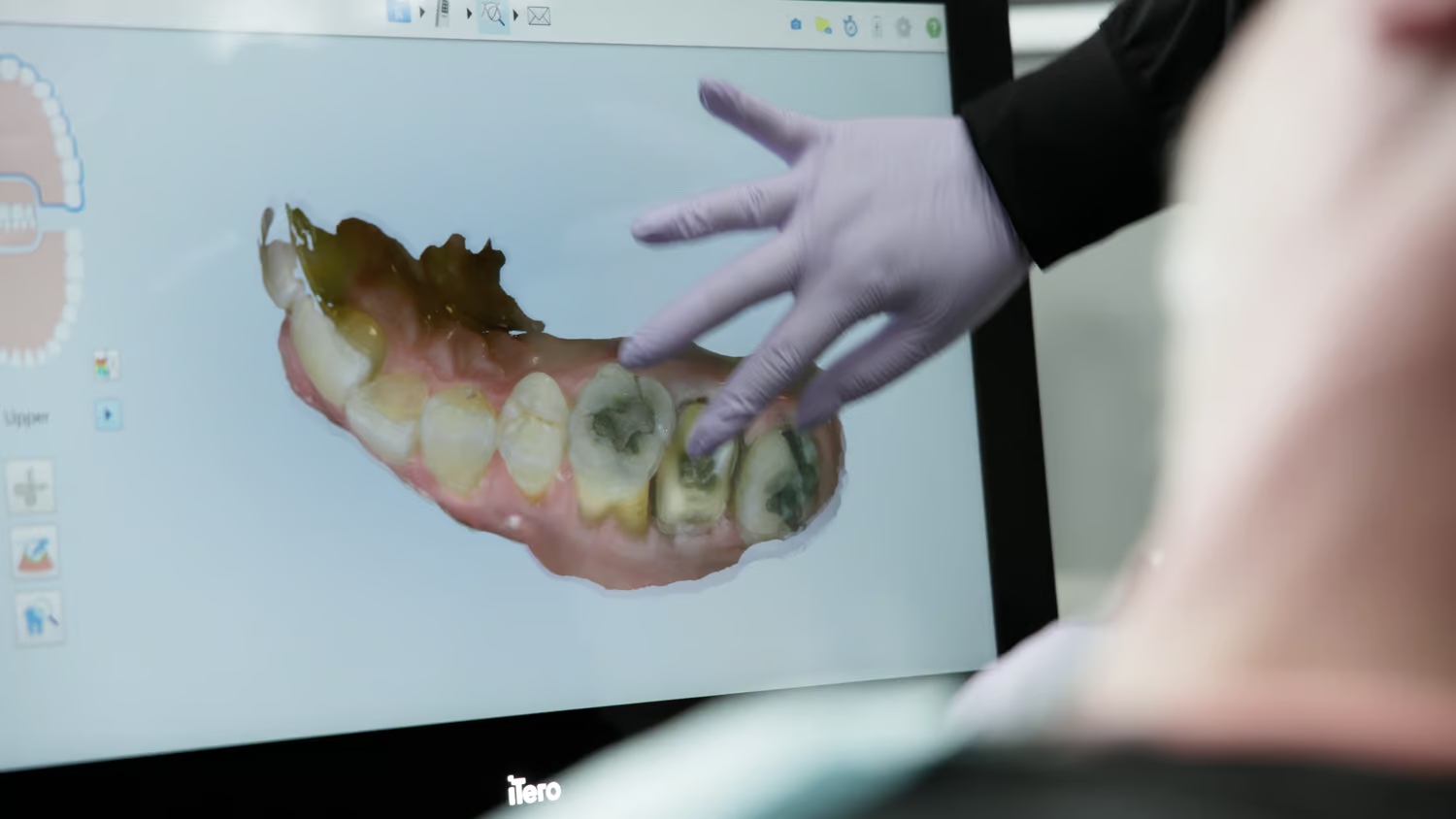
  • If you're replacing the tooth later, we can scan with the iTero Lumina before you leave so we're not starting from scratch in a month.

You'll feel pressure. You shouldn't feel sharp pain. And if you do, say something right then, we can add more anesthetic in about a minute. Nobody gets a prize for toughing it out.

Plan on being here longer than the procedure itself. Between paperwork, imaging, numbing, and the extraction, an hour is a fair guess for a simple case.

We have eleven operatories in Peoria, expanding to fifteen, and three doctors who practice here. That's part of why we can usually work an emergency in the same day instead of telling you to hold on until next week with a throbbing tooth.

Bring someone with you if the tooth has kept you up all night. Not because you'll be loopy - you won't with local anesthetic - but because tired people forget instructions.

Think a tooth needs to come out? Call us today.
04

How Emergency Extraction Pricing Works

Nobody budgets for this. You wake up at 3 a.m. with a throbbing molar and by morning you're doing math in your head instead of sleeping. So let's talk about how the money works, because the guessing is half of what keeps people from calling.

An emergency tooth extraction isn't one flat fee. It's usually built from a few pieces, and the biggest one is how the tooth comes out. A simple extraction means the tooth is visible and comes out in one piece with hand instruments. A surgical extraction means we have to open the gum, sometimes section the tooth, sometimes remove a bit of bone. Broken-off molars and impacted wisdom teeth almost always fall in that second group. Same tooth, very different amount of work.

These are the things that move the number, up or down:

  • Simple versus surgical. Root shape, curvature, and how much tooth is left above the gum all decide this.
  • The emergency exam and x-ray. Most offices bill these separately from the extraction itself.
  • Infection. An active abscess may need to be drained, and antibiotics may come first.
  • Sedation. Local anesthetic is standard. Anything beyond that is an added choice, not a requirement.
  • What comes next. An implant, bridge, or partial is a separate treatment plan with its own timeline.

Ask for the breakdown before treatment starts. Any office worth your trust will walk you through it line by line while you're still in the chair, not after.

One more thing worth knowing. We're fee-for-service, so we're not in-network with any plan, but we do accept and bill most insurance. CareCredit is available, and so are 0% interest payment plans up to six months. Peoria's a price-conscious town and we know it, nobody should sit on an infected tooth because they're afraid to ask what it costs.

05

Recovering After the Tooth Is Removed

Most people are surprised by how quiet the first day is. The tooth that kept you up all night is gone, and what's left is a sore spot instead of a throbbing one. That's a trade almost everyone takes.

Your job for the first 24 hours is simple. Protect the blood clot in the socket. That clot is the bandage. Lose it and the bone underneath gets exposed, and that's the dry socket everybody's heard about.

  • Bite firm on the gauze for 30 to 45 minutes. Don't keep peeking at it.
  • No straws, no spitting, no smoking for at least three days. Suction pulls the clot loose.
  • Ice on the cheek, 20 minutes on and 20 off, for the first evening.
  • Take whatever pain medicine we recommend before the numbness fully wears off.
  • Sleep with your head propped up on an extra pillow that first night.
  • Start warm saltwater rinses the next day, gently, no swishing hard.

Eat soft and cool. Yogurt, eggs, mashed potatoes, soup that isn't steaming. Chew on the other side. And skip the chips, the popcorn, anything sharp that can lodge down in there.

Soreness usually peaks around day two, then drops off fast. A simple extraction has most folks back to normal routines in two or three days. A surgical extraction with stitches runs closer to a week, and you may see some bruising along the jaw. Swelling that's going down is normal. Swelling that's going up on day four is not.

Call us if you get a deep ache that starts around day three and spreads toward your ear, a bad taste that rinsing won't fix, bleeding that won't slow after a couple hours of pressure, or a fever.

Nine times out of ten, a worried call turns out to be normal healing. We'd still rather hear from you.

One more thing. Before you leave, ask what goes in that space later. A back molar can sometimes stay empty. A tooth you smile with usually shouldn't, and the plan is easier to make now than after the neighboring teeth start drifting.

FAQ

Answers to the most common questions.

Something else on your mind?
Call us at (309) 690-4500.

How do I know if my tooth needs to come out or if it can be saved?

Pain alone doesn't mean a tooth has to go. Many painful teeth still have solid roots and can be saved with a root canal. What matters is whether the damage or infection has passed the point of repair, like a crack below the gumline or a tooth that wiggles when it used to be solid. Call and describe what you're feeling. We'd rather check with an x-ray than have you guess wrong.

What are the warning signs that mean I need an emergency extraction today?

Facial swelling spreading toward your eye or jaw, a foul taste near the tooth, or trouble swallowing all mean you need same-day care. Other red flags include a tooth you can wiggle, night pain that won't back off with medicine, and fever or chills. Swelling paired with fever isn't a dental inconvenience. Your body is losing ground to an infection, and it needs attention that day.

Why do I see more people needing extractions in Peoria during winter?

Cold snaps in January and February crack teeth and make old damage worse. We see a wave of these calls every winter from folks who've been ignoring a broken molar since fall. Coming in that first week after a crack usually means keeping more bone than waiting until March. If a tooth has felt off since autumn, don't wait for warmer weather to deal with it.

What happens when I come in for a same-day extraction?

We take an x-ray, have a doctor check the tooth and surrounding bone, then numb the area and wait until you're truly comfortable. The tooth is loosened and lifted out, which is usually the shortest part of the visit. Simple extractions take a few minutes, while surgical cases take longer. Plan on about an hour total once you count paperwork, imaging, and numbing time.

My tooth got knocked loose in a fall, what should I do right now?

Call right away, since timing matters more than almost anything else with a knocked-loose or knocked-out tooth. If it's completely out, keep it in milk or tucked safely in your cheek and don't scrub the root. Getting seen fast gives us the best shot at saving it instead of extracting it. Every hour that passes lowers the odds of putting it back successfully.

Will pulling the tooth hurt, and how long until I feel normal again?

You'll feel pressure during the extraction, but you shouldn't feel sharp pain once the area is fully numb. We wait as long as it takes for the anesthetic to work fully, since rushing it is the biggest reason people have a rough experience. If you feel pain during the procedure, tell us immediately and we can add more anesthetic in about a minute.

Request an appointment

Call us at (309) 690-4500

Tell Us About Yourself

Are you new to Associates in Dentistry?

Preferred Day and Time (optional)
Thank you! Your submission has been received!

That didn't go through. Please try again, or call your office.