


Dr. Burton talking with a patient at a counter in the dental office
Your family's dental home

Complete Dentures in Peoria: Rebuild Your Smile, One Full Arch at a Time

Dr. Burton talking with a patient at a counter in the dental office
The short answer
Reviewed by our
Peoria
doctors.
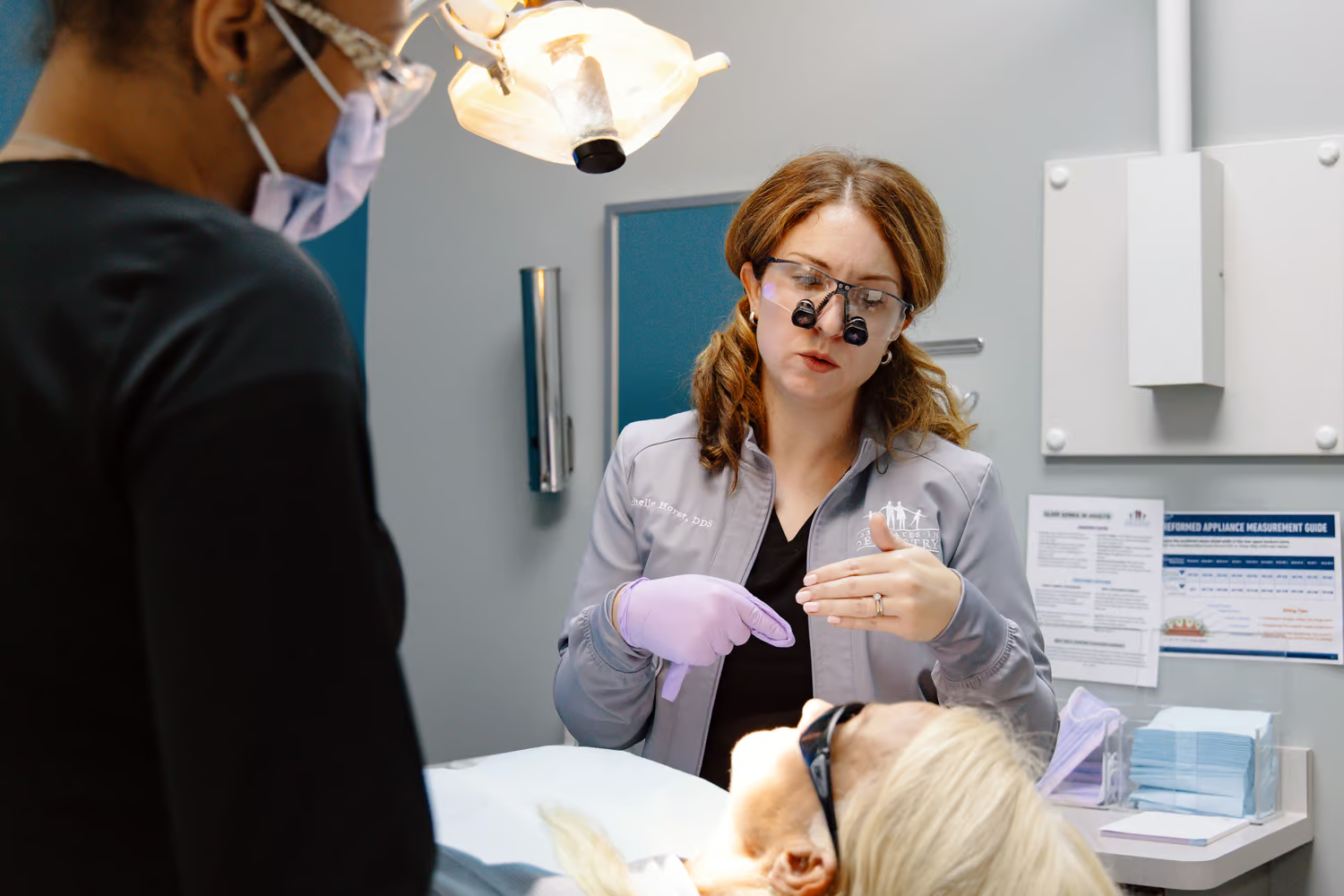
Dr. Michelle Horst, dentist at Associates in Dentistry in Peoria
Dr. Arian Rrushaj, dentist at Associates in Dentistry in Peoria
Dr. Jonathan Gifford, dentist at Associates in Dentistry in Peoria and Washington

Complete dentures replace a full arch of missing teeth, either the top, the bottom, or both. They're for people who have lost all their teeth or whose remaining teeth can't be saved. The appliance itself is the easy part. Getting the fit, the bite, and the timing right is what decides whether you'll wear them.

01

Complete Dentures Explained: What They Fix and Who Needs Them

A complete denture is a full set of replacement teeth set into a gum-colored base. The upper one covers the roof of your mouth and holds on by suction. The lower one sits on the ridge of your jaw, and that one's trickier. Your tongue and cheeks are moving it around all day. That's why so many people say the bottom denture is the one that gives them fits.

Most folks who come to us for this fall into one of a few groups.

  • You've already lost all your teeth on one arch and have been going without.
  • Years of gum disease have loosened what's left, and the teeth are shifting or aching.
  • You have an old denture that's gotten loose, clicks when you talk, or rubs sore spots.
  • Several teeth are broken down to the roots and repairing them one at a time stopped making sense.

Here's the part people don't expect. Your jawbone changes shape after teeth come out. It shrinks. That's normal, and it keeps happening for the first several months. That's why a denture fitted well in March can feel loose by August. We see this every single week.

So a denture isn't a one-appointment purchase. It's a fitted appliance on a moving foundation.

Not everyone needs a complete denture, either. If you still have healthy teeth on an arch, a partial denture is usually the better call. We'd rather keep what's yours. And some patients with good bone are candidates for implant support under a lower denture, which solves the slipping problem more directly. Our Peoria office handles implant restoration in-house, so that conversation can happen at the same visit instead of being sent somewhere else.
02

Deciding Between Immediate and Conventional Dentures

Here's the fork in the road. An immediate denture goes in the same day your teeth come out. A conventional denture waits until your gums have healed, usually two to six months. Both work. They just ask different things of you.

Most folks want the immediate. That makes sense. Nobody wants to go to work on Monday with no teeth, and we hear that worry more than any other. But there's a cost to it, and it isn't the one people expect.

Your jawbone shrinks after extractions. A lot. The ridge that holds the denture changes shape for months, so an immediate denture that fits well in October can feel loose by January. That's not a failure. That's biology doing what it does. Immediate dentures are planned with relines built into the treatment from day one, and you should hear that from any provider before you agree to anything.

  • Immediate: you never go without teeth, but expect adjustments, at least one reline, and a possible remake down the road.
  • Conventional: you spend weeks with no teeth, but the final denture is made on a settled ridge and tends to fit tighter from the start.
  • Immediate costs more over the full course of treatment because the reline work is part of it, not an add-on surprise.
  • Conventional gives us a cleaner impression, so the bite and lip support are easier to dial in.

Wondering which way you'd lean? Ask yourself one honest question: can you handle several weeks without front teeth? If the answer is no, that's a legitimate reason to choose immediate, and we'll plan around it.

There's a middle path too. Some patients keep a few back teeth while the front heals, then finish the extractions later. It stretches the timeline. It also spreads out both the healing and the expense. We talk this through at the Peoria office before anything gets pulled, because once the teeth are gone the decision is made for you.

03

When a Partial Denture or Repair Makes More Sense

Here's the part nobody expects to hear from a dentist. Sometimes you don't need complete dentures at all. If you still have healthy teeth with solid bone around them, pulling them to make the process simpler is a bad trade. Those roots keep your jawbone from shrinking. Once they're gone, the ridge slowly changes shape, and the fit you love in year one won't feel the same in year six.

So we look hard at what's left before we talk about taking anything out.

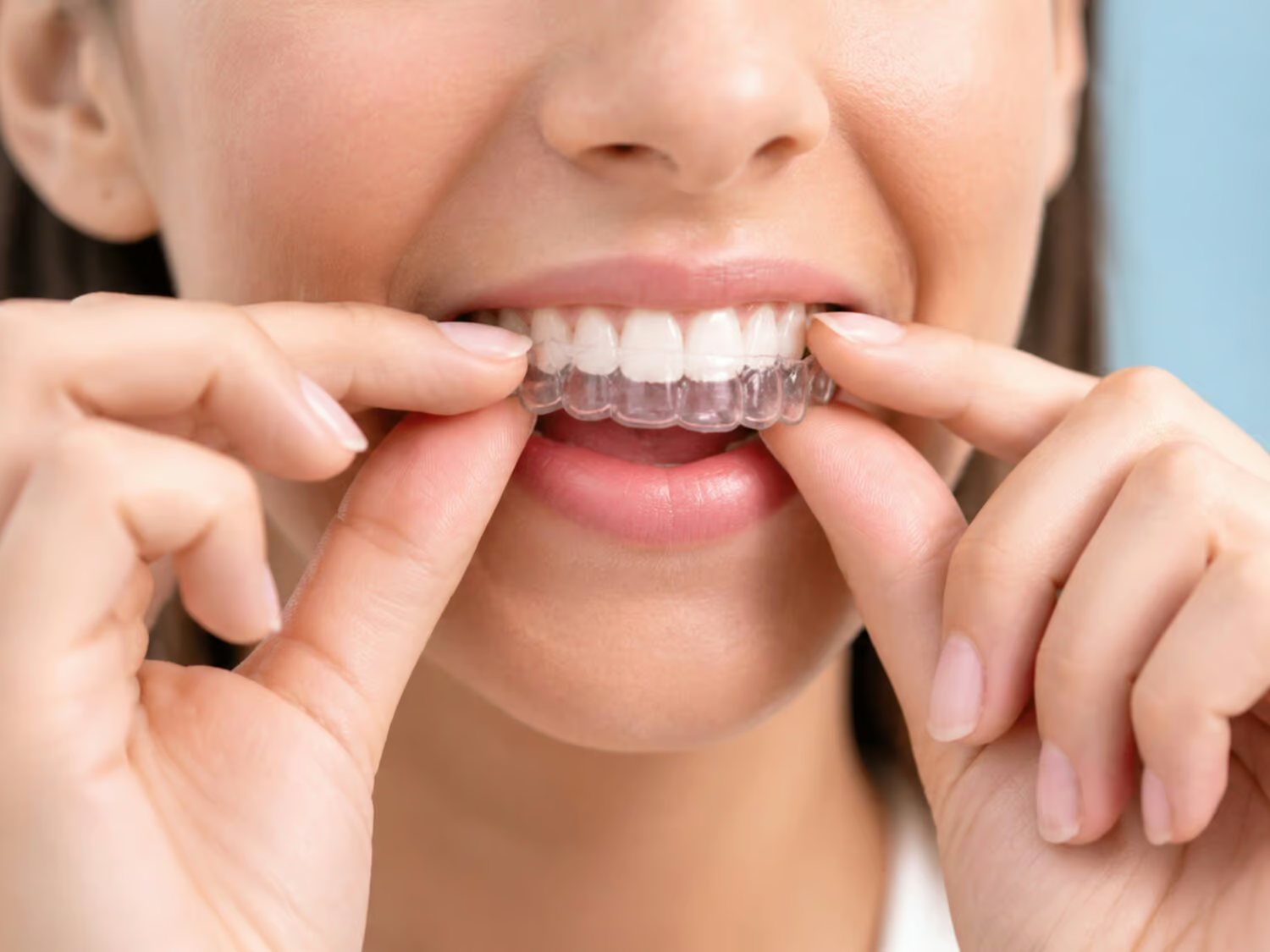
A partial denture fills the gaps and clips onto the teeth you keep. It's less expensive than removing everything, and most people adapt to it faster. We see plenty of folks who came in convinced they were past saving, and they walked out with four or five good teeth still in their head.

  • You have several stable teeth with healthy bone support - a partial is usually the better call
  • Your current denture cracked but still fits your ridge well - repair is often faster and simpler than a rebuild
  • A clasp broke or a single tooth popped off the acrylic - that's a repair, not a new appliance
  • The denture feels loose but the plastic is intact - a reline may be all it needs
  • Your teeth are loose from gum disease, not decay - periodontal treatment may buy you years

Our Peoria office handles denture repair in house, and we'd rather fix what you have than sell you something you don't need. But be realistic about timing too. A denture that's been relined three times and still rocks when you chew has told you what it thinks.

And if the answer really is complete dentures, we'll say that plainly. What we won't do is rush you there because it's the easier plan to draw up.

Ready for a full set of teeth that fits right?
04

From Extraction to Final Fit: What the Denture Process Involves

Most people ask the same first question. How long until I have teeth? Fair question, and the honest answer depends on whether teeth still need to come out.

Here's how it usually goes.

  • Exam and x-rays. We look at bone, remaining teeth, and how your jaw closes. At our Peoria office every x-ray gets a second-opinion review before we plan anything.
  • Records and impressions. We capture the shape of your ridges, your bite height, and the way your lips sit at rest.
  • Extractions, if needed. Our Peoria location handles surgical extractions and oral surgery in house, so you're not bouncing between offices.
  • Immediate denture placed the same day, in most cases. You don't go home without teeth.
  • Healing. Gums and bone shrink for several months after extractions. This is the part nobody warns you about.
  • Adjustments along the way. Sore spots get relieved. Bite gets balanced.
  • Reline or final denture once healing settles, usually somewhere past the three to six month mark.

That healing shrinkage is exactly why a denture that fits well in July can feel loose by October. It's not a mistake. It's biology, and we plan for it.

If you already have all your teeth out and your gums healed years ago, the road is shorter. We skip straight to records and fitting.

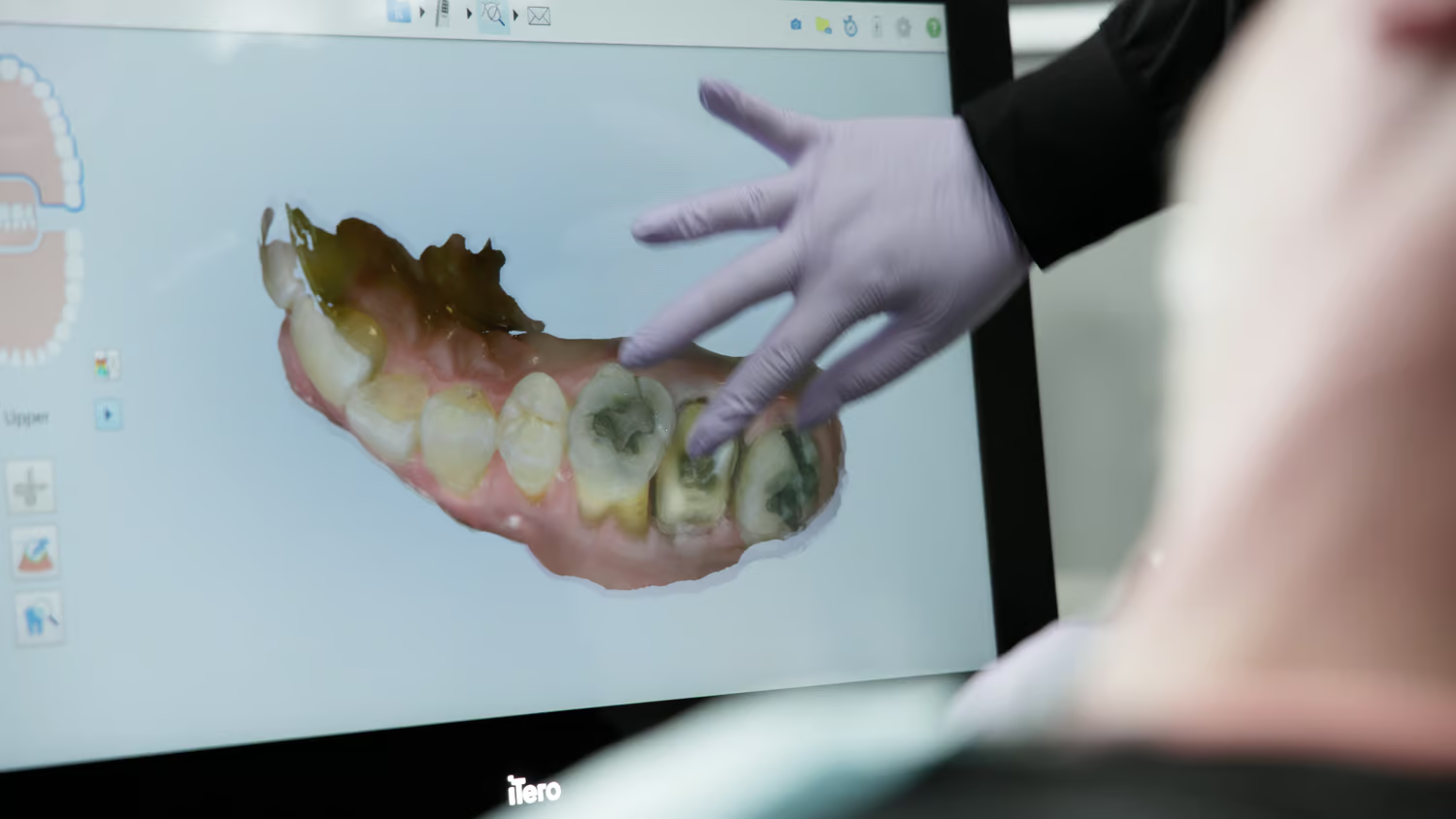
We use an iTero Lumina scanner for digital impressions where it helps, and that spares a lot of folks the goopy tray they still have nightmares about from the eighties. Not every step can be digital. But the ones that can be, are.

Expect a handful of visits. Short ones, mostly. We see patients every week who came in braced for something awful and left wondering why they waited three years.

05

Paying for Complete Dentures: How Pricing Works and What to Ask

Let's talk money, because most people are thinking about it before they ever bring it up. Complete dentures aren't priced as one flat thing. The fee is usually built in layers, and the layers are where the surprises hide.

Here's what typically sits inside a denture treatment plan:

  • The exam, x-rays, and the planning visit that comes before anything is made
  • Extractions, if teeth still need to come out
  • The denture itself, priced by arch. Upper and lower are two separate fees
  • Material and tooth grade, since a basic acrylic set and a premium set are not the same product
  • Immediate denture versus conventional, which changes how many appointments you need
  • Adjustments, relines, and the soft liner used while your gums shrink and settle

That last one catches people. A quote that looks low sometimes doesn't include the reline you'll need six months later, and gums always change after extractions. So ask.

Ask whether the fee covers one arch or both. Ask how many adjustments are included and for how long. Ask if the first reline is part of the plan. Ask what happens if the fit isn't right at delivery. A straight answer to those four questions tells you more than any advertised number.

Peoria's median household income sits around $59,410, and we know this is a real decision for a lot of families here, not a casual one. We're fee-for-service, so we're not in-network with any plan. We still accept and bill most insurance, excluding Medicaid, and we'll tell you what your plan is likely to cover before you commit. CareCredit is available, and so are 0% interest payment plans up to six months.

Nobody should be guessing at the total while they're sitting in the chair. We'd rather write it all down first.

FAQ

Answers to the most common questions.

Something else on your mind?
Call us at (309) 690-4500.

How long does it take to get complete dentures?

It depends on whether you choose immediate or conventional dentures. Immediate dentures go in the same day your teeth come out, so there's no wait. Conventional dentures take longer, usually two to six months, because we wait for your gums to heal first. Both paths end with a finished denture, but conventional often fits tighter from the start since your jaw has already settled into its final shape.

Why does my lower denture feel looser than my upper one?

The lower denture is harder to keep in place because your tongue and cheeks move it around all day. Your upper denture holds on by suction against the roof of your mouth, which is more stable. If your lower denture clicks when you talk or rubs sore spots, that's common, not a sign something went wrong. An implant-supported lower denture can solve the slipping problem more directly if you're a candidate.

Will my jawbone keep changing shape after I get dentures?

Yes, your jawbone keeps shrinking for months after teeth are removed. That's why a denture that fits well right after it's made can feel loose several months later. This is normal biology, not a mistake in your fitting. We see this every week in our Peoria office, which is why relines are built into treatment plans from the start instead of being a surprise later on.

Do I need complete dentures, or would a partial work?

If you still have healthy teeth with solid bone around them, a partial denture is usually the better choice. Those remaining teeth help keep your jawbone from shrinking, so pulling them just to simplify treatment can cost you fit and comfort down the road. We look closely at what teeth you have left before recommending complete dentures. Many people who think they're past saving still have four or five good teeth worth keeping.

Can a cracked or loose denture be repaired instead of replaced?

Often, yes. A cracked denture that still fits your ridge well can usually be repaired faster and cheaper than replacing it entirely. A broken clasp or a popped-off tooth is a simple repair, not a new appliance. If the denture feels loose but the plastic itself is intact, a reline may fix it. Our Peoria office handles denture repair in house, so we can often turn these around quickly.

Should I choose immediate dentures so I'm never without teeth?

You can, and most people do choose immediate dentures for exactly that reason. You'll walk out with teeth the same day yours come out. Just know your jawbone will keep changing shape afterward, so expect adjustments and at least one reline built into the plan. If you can handle several weeks without front teeth, conventional dentures give a tighter final fit since they're made after healing.

Request an appointment

Call us at (309) 690-4500

Tell Us About Yourself

Are you new to Associates in Dentistry?

Preferred Day and Time (optional)
Thank you! Your submission has been received!

That didn't go through. Please try again, or call your office.