


Teeth Whitening Works on Natural Enamel, Not on Crowns, Veneers, or Bonding
Whitening lightens natural teeth, but crowns, veneers, bonding, and tooth-colored fillings stay the same shade they are today. If any of that work sits in the front of your smile, it may look darker next to your newly whitened teeth. Knowing which of your teeth are natural before you start helps you plan for an even result.
Whitening gel works by soaking into natural enamel and lifting stains from the inside. Dental work doesn't take in that gel the same way. Porcelain crowns, veneers, and the composite material used for bonding and fillings are made to hold their color. That's a good thing most days. It also means whitening won't change them.
So when your natural teeth get lighter, your dental work stays put. If a crown or a bonded tooth was matched to your smile years ago, it was matched to the shade you had then. After whitening, it can stand out as the one tooth that looks a little gray or yellow next to its neighbors.
Here's how that often shows up. Say you had a front tooth crowned a while back, and it blended in fine. You whiten the rest of your teeth and like the change. Then you smile in a photo and notice the crowned tooth now looks darker than everything around it. Nothing went wrong with the crown. Your other teeth just moved, and it didn't.
This matters most for work you can see when you talk or smile. Common examples include:
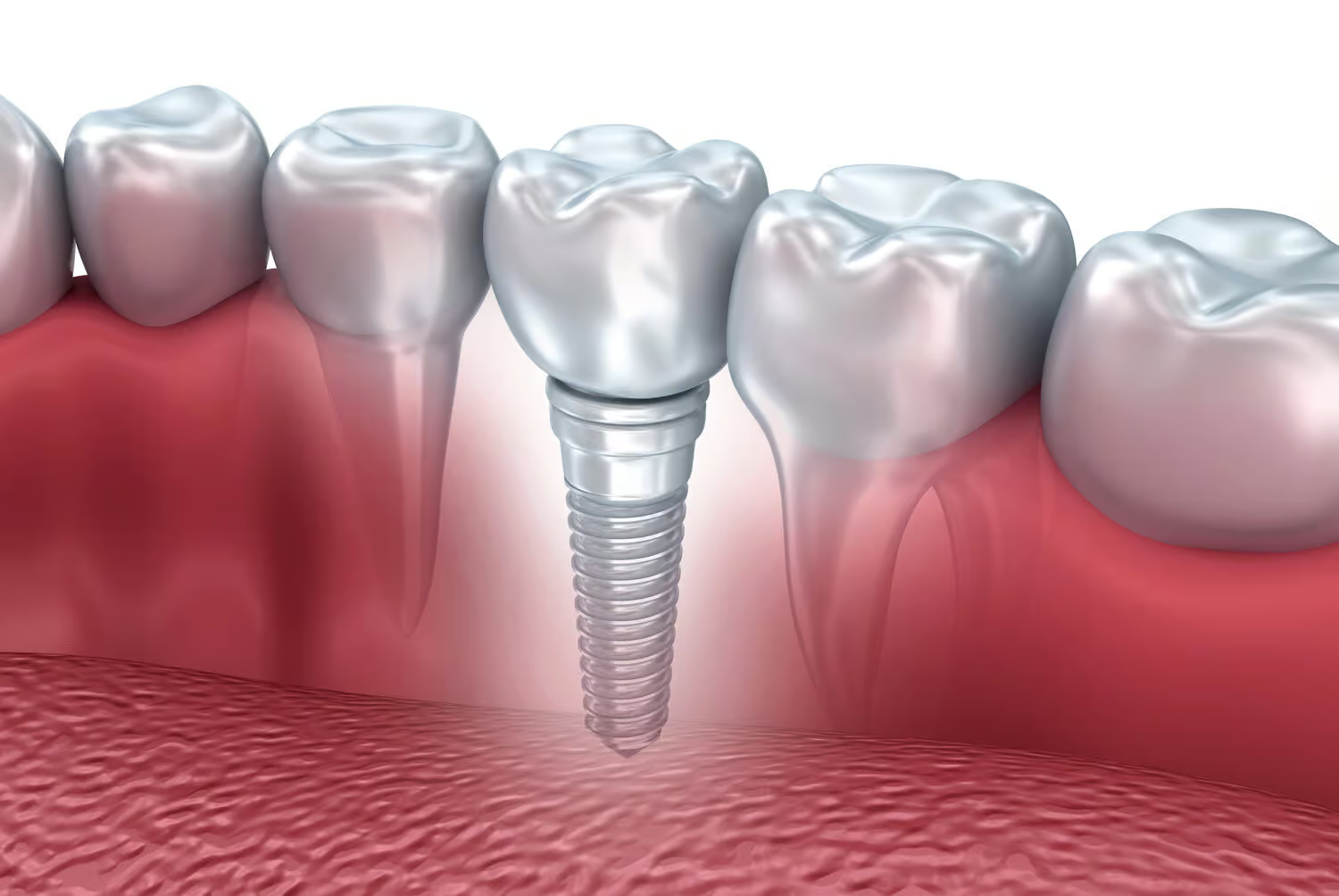
Crowns on front teeth, including crowns placed on dental implants
Veneers covering the front of one or more teeth
Cosmetic bonding used to fix chips, gaps, or worn edges
Tooth-colored fillings on the front surfaces of teeth
Bridges that replace a missing front tooth
Work on your back teeth usually isn't a concern. Most people never see those teeth when you smile, so a small shade difference there won't stand out.
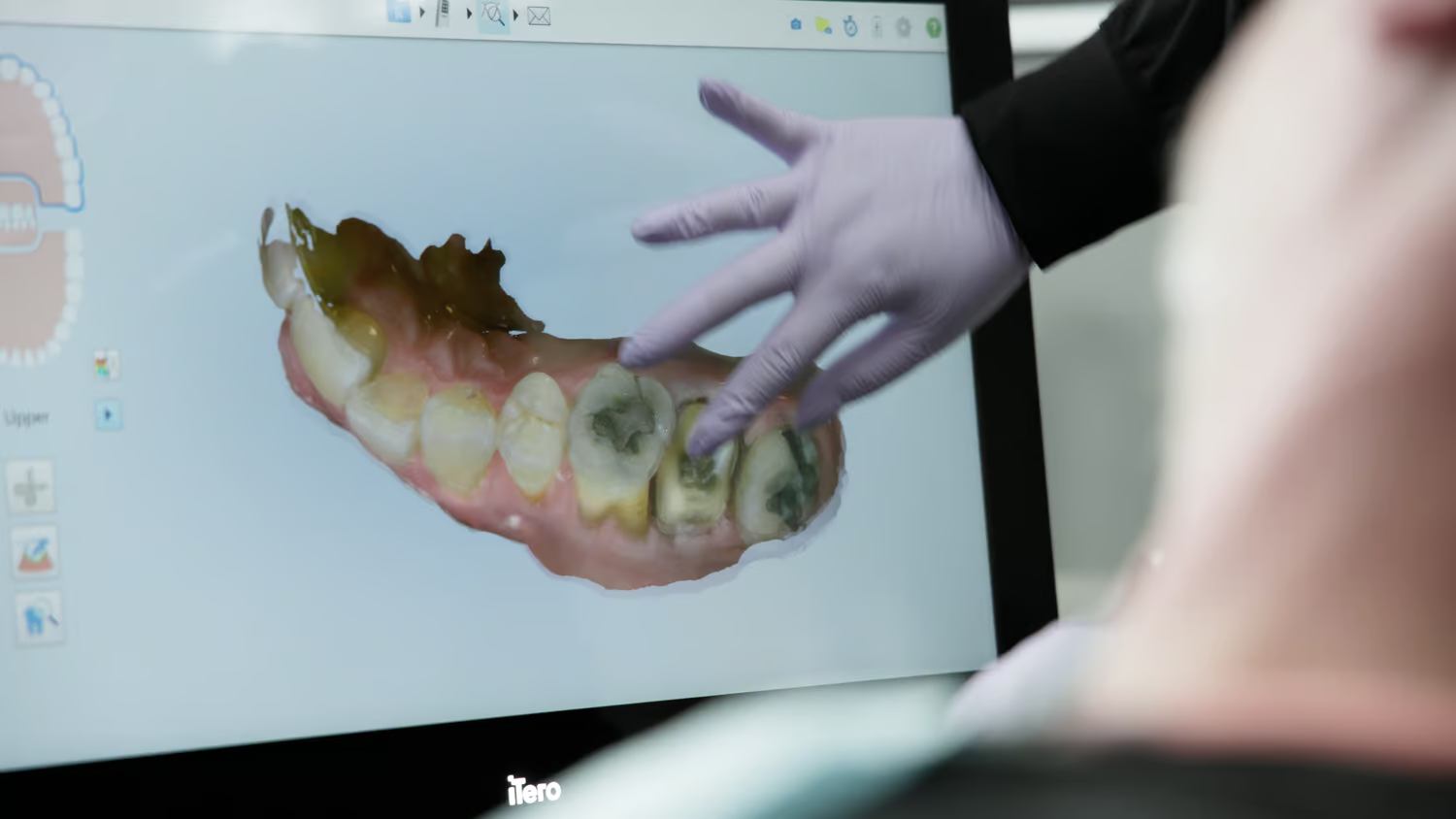
A lot of folks aren't sure which of their teeth have been restored. Bonding and tooth-colored fillings can be hard to spot in the mirror, especially if they were done well. That's one reason it helps to have a dentist take a look before you whiten. At our office, Dr. Dennis Burton and Dr. Jonathan Gifford can point out which teeth are natural and which ones have dental work, so there aren't any surprises later.
If you're planning new dental work anyway, timing helps. It usually makes sense to whiten first and let your shade settle. Then any new crown, veneer, or bonding can be matched to the lighter color you've chosen, not the old one. Doing it the other way around can leave you with brand new work that already looks too dark.
And if you already have older work up front that won't match after whitening, you still have choices. Some people decide the small difference doesn't bother them. Others choose to update a crown, veneer, or bonded tooth so it fits their new shade. Our office offers crowns, veneers, and cosmetic bonding, so you can talk through those options in the same place if it ever comes to that. There's no need to decide everything at once. It just helps to know how the pieces fit together before you begin.