
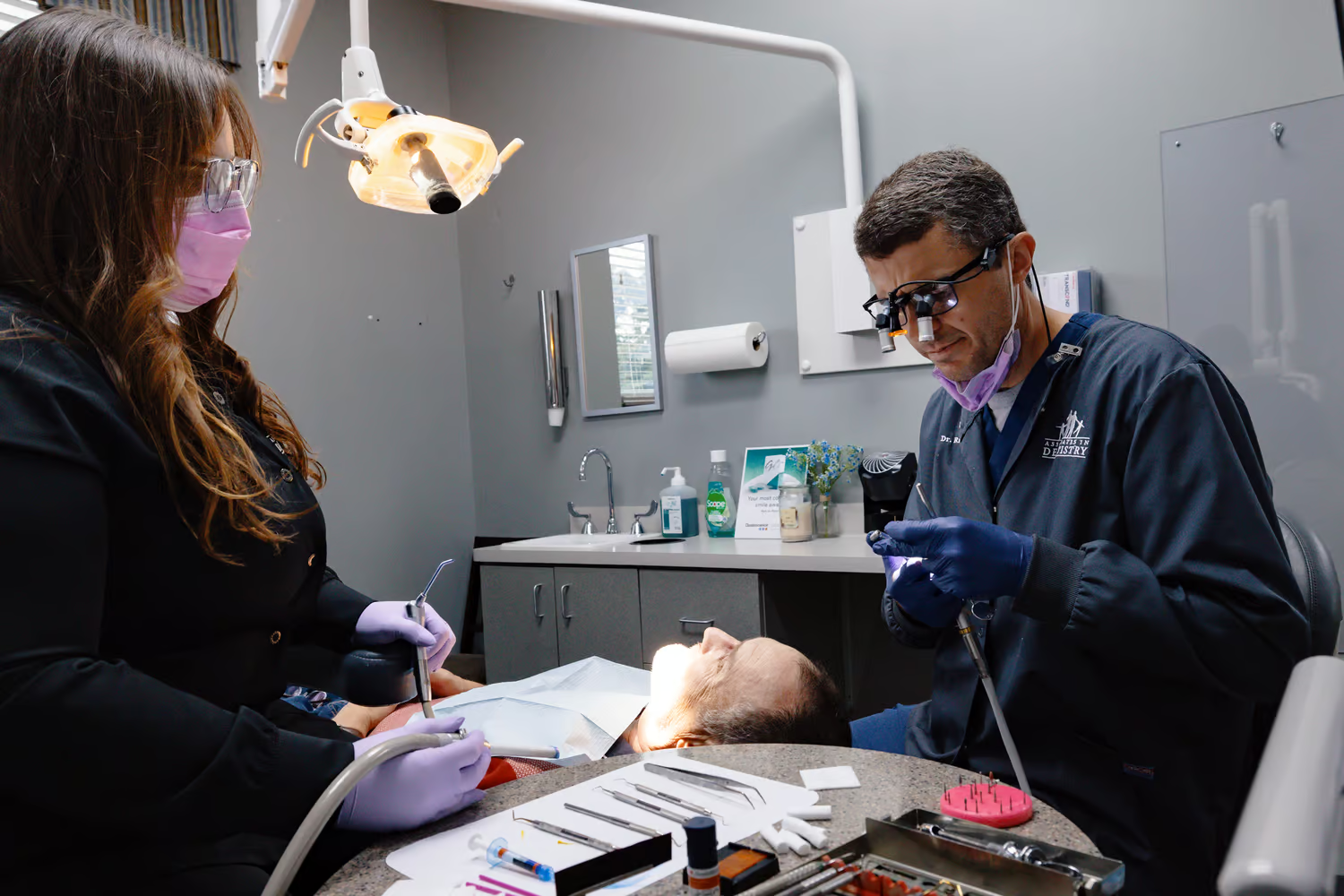


Dentist wearing loupes and an assistant treating a patient in a dental chair
Your family's dental home

Oral Surgery in Washington

Dentist wearing loupes and an assistant treating a patient in a dental chair
The short answer
Reviewed by our
Washington
doctors.
Dr. Dennis Burton, dentist at Associates in Dentistry in Washington
Dr. Jonathan Gifford, dentist at Associates in Dentistry in Peoria and Washington

Oral surgery covers procedures such as removing a tooth that can't be repaired. Pain alone doesn't determine whether a tooth needs to come out. Our Washington office offers oral surgery and emergency extractions, so you can start by calling the office and describing what's happening.

01

Know If Your Tooth Needs Oral Surgery or a Simple Fix

If a tooth hurts or has broken, it's easy to think it has to come out. But Oral Surgery in Washington isn't the answer to every damaged tooth. The first question is whether the tooth can be kept. At Associates in Dentistry on Peoria Street, oral surgery is one of the services offered, alongside several ways to repair a tooth.

Pain alone can't tell you whether a tooth needs to be removed. A dentist needs to understand what's wrong with the tooth and whether a repair could help you keep it.

A tooth can hurt a great deal and still have a repair option. Another tooth may cause less pain but be too damaged to keep. That's why the choice can't rest on how bad it feels today, or on what happened with a different tooth years ago. What matters is where the problem is and how much usable tooth remains.

A filling may be enough when the damaged area is limited and there is enough healthy tooth to support the repair.

A crown may be an option when a tooth needs more coverage than a filling can give.

A root canal may help you keep a tooth when the problem is inside it. It doesn't solve every kind of damage.

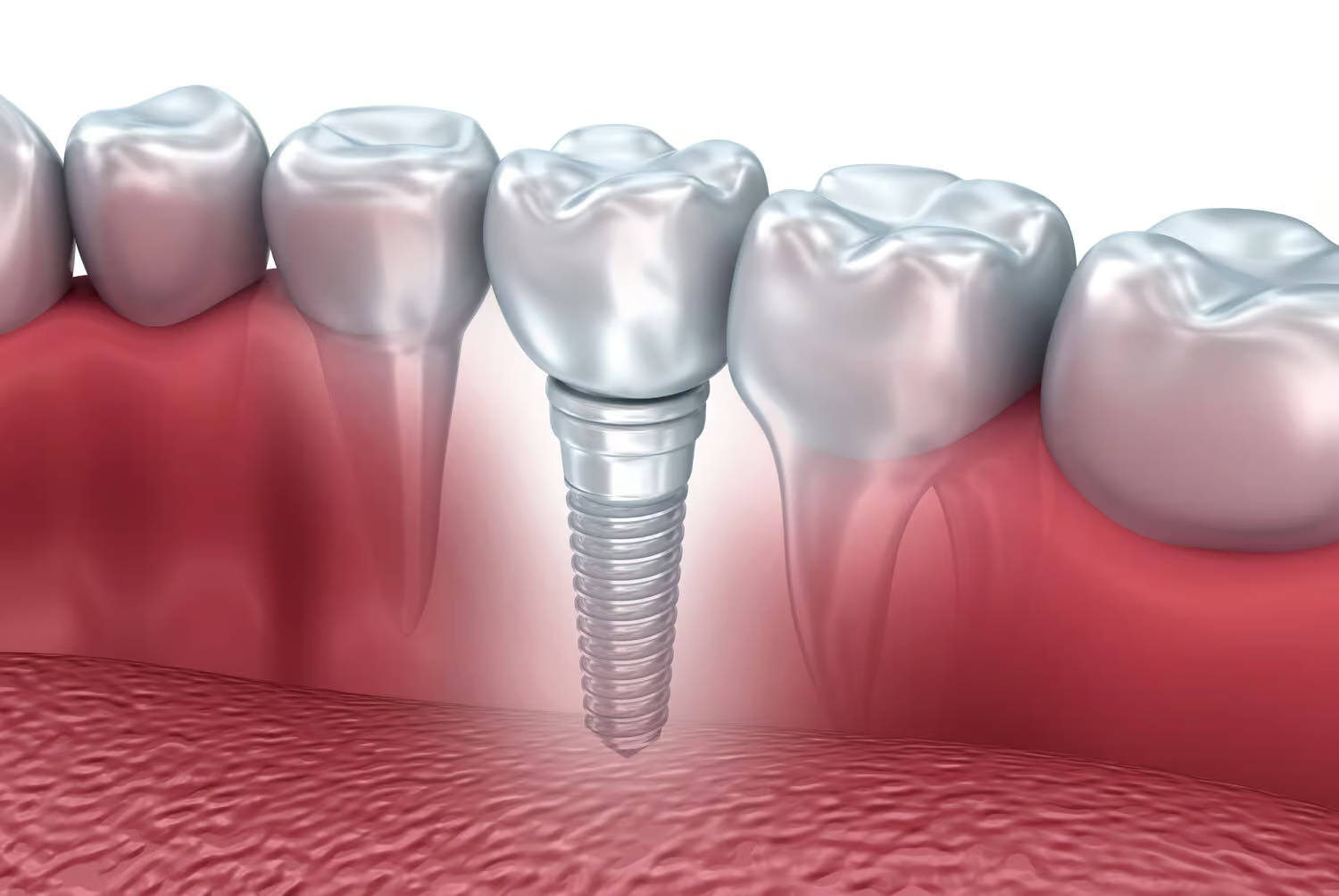
Tooth extraction may be considered when keeping the tooth isn't a workable option. Extraction is one form of oral surgery, but the term covers more than tooth removal.

These aren't choices you have to sort out on your own. A crack you can see doesn't show how far it goes. A tooth that feels loose, hurts when you bite, or has lost a piece needs more than a guess based on its appearance. If someone has already told you that you need oral surgery, it's worth knowing which procedure they mean. We offer oral surgery and emergency tooth extraction, but that doesn't mean every kind of oral surgery is done here.

Dr. Dennis Burton and Dr. Jonathan Gifford staff our office. When you describe the problem, be specific about which tooth concerns you, what has changed, and whether another dentist has recommended removal. Those details make it easier to discuss the right service. You don't need to decide in advance that surgery is the answer.
02

Get Diagnosis and Surgery Done Without a Referral Trip

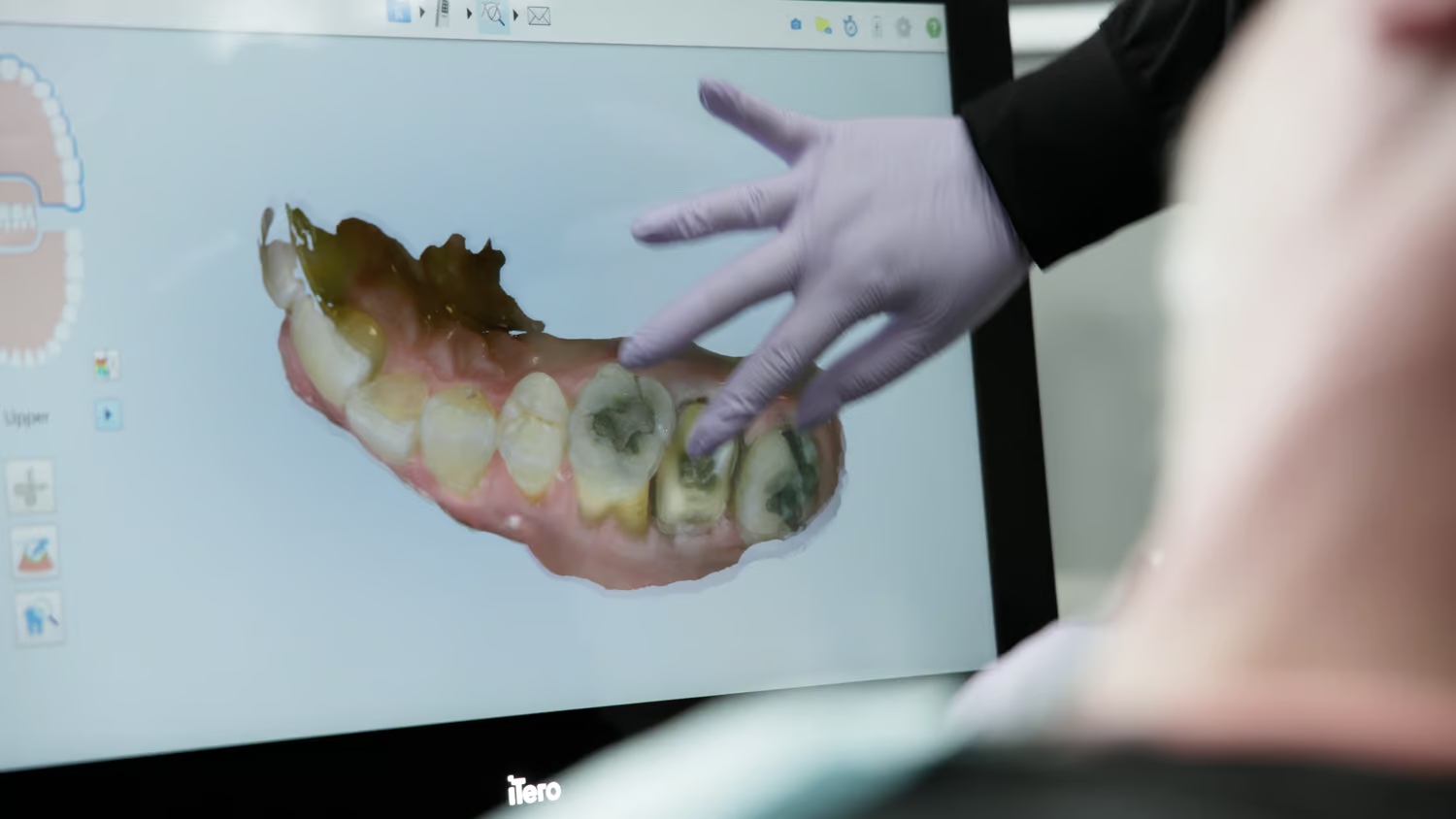
You shouldn't have to guess whether you need a separate surgeon before you've even talked with a dentist. We offer both dental exams and oral surgery at our office, at 300 Peoria St. That gives you one place to start the conversation. It doesn't mean every oral surgery procedure is available there, or that an exam and surgery will happen on the same day. The useful first step is to name the procedure you need, if you know it, and ask whether this office offers it.

General dentistry in Washington includes dental exams at this office, so you can ask about the problem without deciding on surgery yourself. If another dentist has already recommended a procedure, tell our team the name of it when you contact us. Oral surgery can mean different things, and a recommendation for one procedure doesn't confirm that this location offers it. If you have a written recommendation, ask whether the office wants that information before your appointment. That can help you get a clear answer about where to start.

It's also fair to ask whether you're arranging an exam, a procedure, or a separate appointment for each. Those are different plans, especially if you're trying to take time off work or arrange a ride. Don't make plans around a same-day procedure unless the office has confirmed it with you. If the care you need isn't offered at our office, finding that out before your visit helps you avoid an extra trip. A clear answer matters more than assuming you'll never need a referral.

Dr. Dennis Burton and Dr. Jonathan Gifford staff our office. When you call, tell our team whether you're asking about a new concern or following a recommendation you already have. You can also ask what information is needed to discuss the specific procedure. That keeps the conversation focused on your situation, rather than the broad label of oral surgery. You don't need to know dental terms. Your concern, any recommendation you've received, and the tooth or area involved are enough to explain why you're calling.

Before you commit to a procedure, ask what charges apply to the exam and to the proposed surgery, and how your insurance plan will be handled. The practice is fee-for-service and accepts and bills most insurance plans, but that doesn't tell you what your own plan will pay. Getting those answers, along with confirmation that our office offers the procedure you need, lets you make plans without relying on a guess.

03

What Happens During an Oral Surgery Consult and Procedure

A consult is your chance to understand what the dentist is recommending before you agree to surgery. Start with the name of the procedure and the reason for it. If a tooth is involved, ask what the dentist knows about its condition and what the procedure is meant to address. Oral surgery is a broad term. You deserve an explanation of the specific care being discussed, not just a label.

Then talk through what the procedure would be like for you. What part of your mouth will be treated? What kind of pain control is being considered? What might you feel during the procedure, and what should you expect afterward? If you're worried about being awake, say so plainly. Don't assume a particular sedation option is available at our office. Ask what options apply to the procedure you're considering.

The plan may also depend on information you bring to the conversation. Be ready to discuss your health history, medicines, and any concerns about dental treatment. If you've had trouble with a procedure before, tell the dentist what happened. These details can help shape the discussion, but they don't tell you on their own what care is right for you. If you don't understand why something matters, ask. A consult should leave room for that conversation.

Before a procedure, ask for an explanation of what will happen and what could change the plan. For example, if a tooth is harder to remove than expected, how would the dentist discuss the next step with you? You can also ask what recovery may involve for your particular procedure, when you can return to normal activities, and whom to contact if you have a concern afterward. The answers should be specific to your care. A friend's experience with a different procedure won't tell you what yours will be like.

It's fine to slow the conversation down. Ask the dentist to explain unfamiliar words and to separate what's known now from what can only be decided later. If you're weighing surgery against another option, ask what each choice is meant to accomplish. You shouldn't have to agree to a procedure while you're still unsure what it is, why it's recommended, or what questions remain.

Wondering if that tooth needs to come out?
04

Understand How Oral Surgery Pricing and Insurance Work

There isn't one price for oral surgery. The cost depends on the procedure being recommended and what it involves. If you're told a tooth needs to come out, for example, the cost may differ depending on how difficult it is to remove. An exam, any tests needed to plan care, the procedure itself, and follow-up care may also be separate charges. Ask what's included in an estimate rather than assuming one number covers the whole plan.

At Associates in Dentistry, fee-for-service describes the practice's billing model. It doesn't, by itself, tell you when payment is due or what your insurance will cover. The practice accepts and bills most insurance plans, but benefits depend on your plan and the procedure. Your deductible, your share of the cost, an annual benefit limit, or a waiting period could affect what you owe. Coverage for an exam doesn't necessarily mean the recommended surgery is covered the same way.

Once you know the procedure being proposed, ask for its billing code and an estimate that separates the expected charges. That gives you something specific to discuss with your insurer. If the plan changes after care begins, the final amount may change too, so ask how you'd be told about any added charges. If care would involve a provider outside this office, ask for that provider's estimate separately. You don't want to mistake one office's estimate for the full cost of care.

Ask our team which charges the estimate includes, when payment is due, and how your insurance will be handled.

Ask your insurer whether the proposed procedure is covered, whether your deductible applies, and what remains of your annual benefit.

Ask whether your plan requires approval before treatment, and remember that approval isn't a promise of payment.

You don't need to sort out every insurance term before calling. If you already have a recommendation, bring the name of the procedure and your insurance information to the conversation. If you don't yet know what care you need, the useful cost question is what an exam would cost and what it would take to get an estimate for any proposed surgery. Contact our office to talk through that next step before you book.

05

Recognize When Oral Surgery Can't Wait

If a problem has changed since you made an appointment, don't assume the original plan still fits. Tell the office what's different. Oral surgery may or may not be the next step, but the change matters when you're asking how soon your concern needs attention.

Try to describe what you're dealing with rather than leading with 'I need surgery.' Say when the problem began, what you notice now, and what has changed. If pain is keeping you from eating or sleeping, say that plainly. If you've noticed swelling, tell the office where it is and whether it has changed. You don't need to know what those details mean. They help you give a clearer account than 'my tooth is bad.'

A recommendation from another dentist can make the timing feel especially uncertain. If you were told to have a procedure soon, share the procedure's name and the timing you were given. Don't shorten 'within a few days' to 'whenever there's an opening,' or turn 'make an appointment' into 'it has to happen today.' Passing along what you were told helps our team understand the concern without guessing.

Be just as clear if your concern has changed while you've been waiting for an answer. A new problem isn't necessarily part of the same plan. Let the office know what was already recommended and what's happened since. That way, the conversation can start with your current situation, not a description that no longer fits.

We offer emergency dental pain treatment and emergency tooth extraction at our office on Peoria Street. Those services don't mean every painful tooth needs to come out, or that every oral surgery procedure can be done there. They do give you specific services to ask about when you contact the office. Tell our team what you're experiencing, and ask what kind of appointment is appropriate and whether the procedure you've been told you need is offered at this location.

You don't have to make a case for being in pain, and you don't have to decide on surgery before you speak with someone. The most useful thing you can do is give an honest account of what's happening now, including anything that's changed. If you're unsure whether your concern can wait for an appointment, contact our office and tell our team what you're experiencing.

FAQ

Answers to the most common questions.

Something else on your mind?
Call us at (309) 444-8481.

Do I need a referral to see an oral surgeon, or can I just call your office?

You can start by calling our office on Peoria Street without a referral from another dentist. Dental exams and oral surgery are both listed there, so you can describe your problem and we'll talk through whether a procedure is needed. If you already have a recommendation from another dentist, just share the name of the procedure when you contact us. That helps us figure out the right next step together.

What does oral surgery include?

Oral surgery can include procedures such as tooth removal when a tooth cannot be restored. The appropriate procedure depends on the condition and location of the tooth.

Do I need a referral for oral surgery at our office?

Many oral surgery procedures are done right here in our office. Whether a referral is needed depends on the procedure and your situation, so call the office to discuss what you have been told.

How do I know if a tooth needs oral surgery?

An exam can determine whether a tooth can be treated with a simpler restoration or needs removal or another surgical procedure.

When should oral surgery be treated as urgent?

Severe pain, swelling, bleeding, or a broken or damaged tooth can require prompt evaluation. Call the office and describe what is happening so the team can help determine the next step.

What should I bring to an oral surgery consultation?

Bring any information you have about the tooth or previous treatment, along with a list of medications and relevant medical information if requested by the office.

Request an appointment

Call us at (309) 444-8481

Tell Us About Yourself

Are you new to Associates in Dentistry?

Preferred Day and Time (optional)
Thank you! Your submission has been received!

That didn't go through. Please try again, or call your office.