
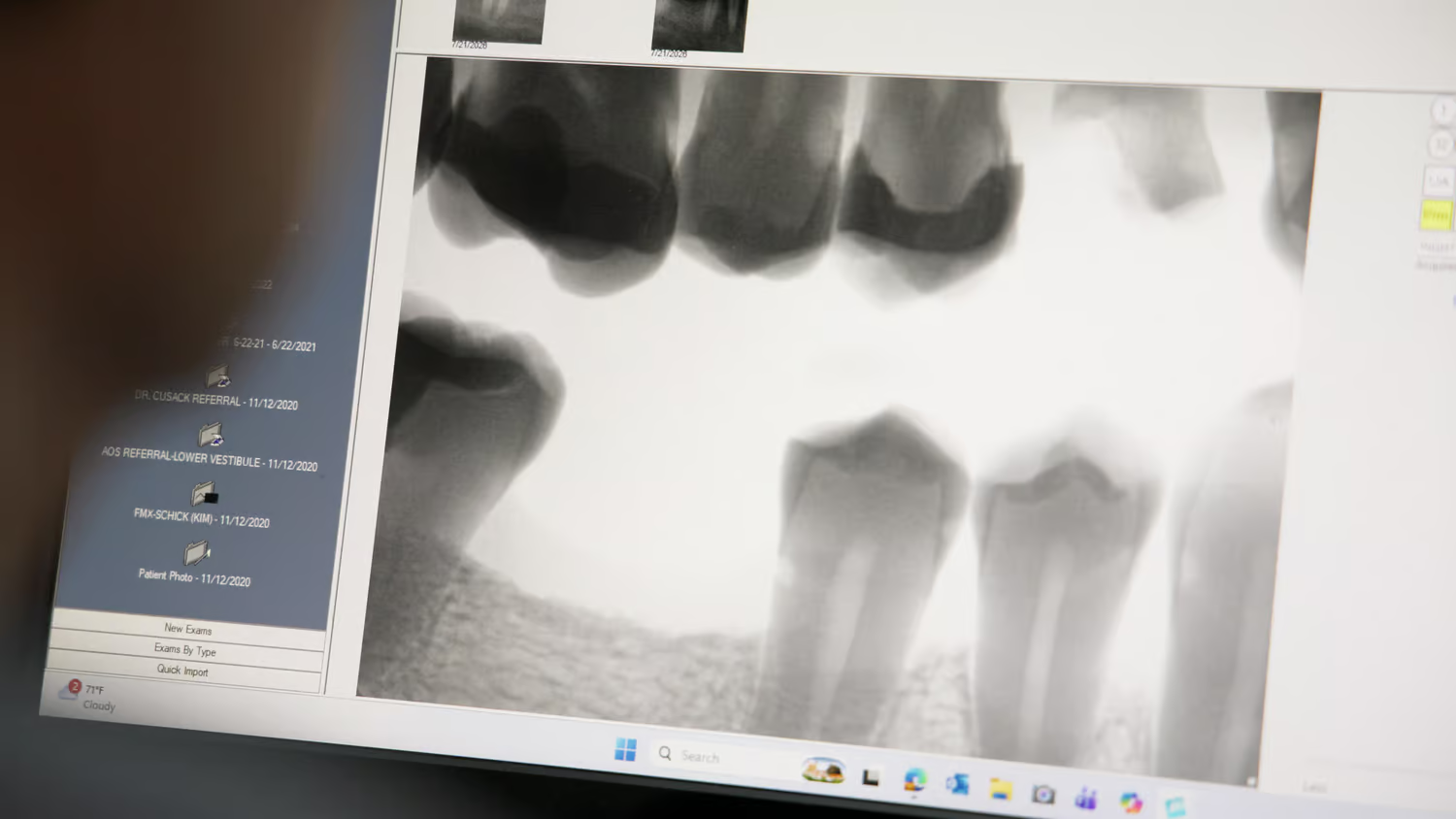


Dental x-ray of back teeth displayed on a computer screen
Your family's dental home

Emergency Dental Pain Treatment in Washington

Dental x-ray of back teeth displayed on a computer screen
The short answer
Reviewed by our
Washington
doctors.
Dr. Dennis Burton, dentist at Associates in Dentistry in Washington
Dr. Jonathan Gifford, dentist at Associates in Dentistry in Peoria and Washington

Call soon if tooth pain keeps getting worse, keeps you up at night or comes with swelling or a broken tooth. Not every toothache requires an extraction, and an exam can help determine what's causing the pain. Swelling that makes it difficult to breathe or swallow requires emergency medical care.

01

Decide If Your Pain Is a True Dental Emergency

Pain that keeps getting worse, keeps you up at night, or comes with swelling or a broken tooth is worth a call to a dentist soon. A quick twinge from cold that fades in a few seconds can usually wait for a regular visit. Swelling that makes it hard to breathe or swallow belongs in the ER, not a dental chair.

This is part of Emergency Dentistry in Washington. Care is provided at our Washington office.

When a tooth hurts, the first question most people ask is, "Is this bad enough to call about?" You don't want to panic over nothing. You also don't want to sit on something that's getting worse. Here's a simple way to sort it out.

Call a dentist soon if you notice any of these:

A deep, throbbing ache that doesn't let up, or that wakes you at night

Pain that gets worse when you lie down or bite down

Swelling in your gum, cheek, or jaw

A bump on the gum that looks like a pimple, or a bad taste that won't go away

A tooth that cracked, chipped, or broke and now hurts

Sensitivity to hot or cold that lingers long after the food or drink is gone

A tooth that feels loose or looks out of place after a fall or a hit

These signs often point to a problem inside the tooth or the gum around it. That kind of trouble rarely fixes itself. Getting it looked at sooner usually means you have more options.

Some pain can wait a few days for a regular appointment. We'd rather tell you that plainly than have you rush in for no reason:

A quick zing from ice cream or cold water that's gone in a few seconds

Mild soreness after a cleaning or a new filling that's slowly getting better

A small chip with no pain and no sharp edge cutting your tongue

Tender gums after flossing that's new to your routine

Achy teeth that come with a stuffy nose or sinus pressure

If one of these sticks around for more than a week or two, or starts to get worse, it's time to book a visit. Getting worse is the key thing to watch. Pain that's fading is a good sign. Pain that's spreading or sharpening is not.

One group of symptoms is different. If swelling spreads toward your eye or down your neck, or if it's hard to breathe or swallow, go to the emergency room or call 911. A high fever with facial swelling belongs there too. Those signs need care right away, and a hospital is the right place to start.

Here's a common picture. You bit into something hard at dinner, felt a crack, and now the tooth aches whenever you chew on that side. There's no swelling and no fever, but by bedtime the ache is still there. That's not an ER trip. It is a reason to call your dentist the next morning instead of waiting to see if it settles.

At our office on Peoria Street, Dr. Dennis Burton and Dr. Jonathan Gifford treat dental pain and handle emergency extractions when a tooth can't be saved. If you're not sure which list you fit, that's okay. Tell us what you're feeling, and we'll help you figure out the next step.


02

Know When Dental Pain Can Wait for a Regular Appointment

Waiting isn't the same as ignoring it. If your pain fits the milder list above, the plan is simple. Keep an eye on it for a few days. If it fades, good. If it doesn't, book a regular visit and let us find the cause.

It helps to know why some pain settles on its own. Most mild aches have a plain explanation:

After a new filling, the nerve inside the tooth can be a little irritated for a while. It often calms down over days or a few weeks.

The roots of your upper back teeth sit close to your sinuses. When your sinuses are swollen, that pressure can feel like a toothache. It often hits several teeth at once and feels worse when you bend over.

Gums that aren't used to flossing can feel tender at first. They usually toughen up after a week or two of steady care.

A quick zing from cold can come from worn enamel or a bit of exposed root near the gumline. It's worth bringing up at your next checkup, but it isn't an emergency.

So how do you know if it's fading? Keep a short note on your phone. Write down which tooth bothers you, what sets it off, and how long the pain lasts. Then check in each day. Is it better than yesterday, the same, or worse? A few days of notes will tell you more than guessing will. They also help us at your visit, because you can show us exactly how the pain has changed.

If anything from the first list shows up while you're waiting, the pain has moved out of the wait group. Swelling, a bad taste, or pain that starts waking you up all change the answer. At that point it falls under emergency dental pain treatment in Washington, and it's time to call instead of watching.

A regular appointment still matters, even for pain that seems to go away. A sore spot that keeps coming back can point to a small cavity, an old filling that's wearing out, or early gum trouble. Small problems are often easier to fix when they're caught early. That might mean a simple filling now instead of a bigger repair later. If your gums are part of the issue, our periodontal treatment can help get them healthy again.

Sometimes people wait because they're worried about cost. That's a fair thing to think about. Our practice accepts and bills most insurance plans, so it's worth calling to ask about yours before you decide to put off a visit.

Here's how this often looks. You got a filling last week, and the tooth still feels a little tender when you drink something cold. Each day it bothers you a bit less. That's pain doing what it should, which is getting better. If that same tooth were throbbing harder each day, it would be a different story.

03

Understand Why the Emergency Room Often Isn't a Fix for Dental Pain

It's late, your tooth is pounding, and the ER is the only place with the lights on. Going there makes sense. You're hurting and you want help now. But most hospital ERs aren't set up to fix a tooth. They can help you get through the night. The problem that's causing the pain usually comes home with you.

ER doctors and nurses are trained to care for the whole body. Most ERs don't have a dentist on hand. They also don't have dental chairs, dental X-rays, or the tools to clean out a cavity or open up a tooth. So the care they give is about keeping you safe and comfortable, not repairing the tooth.

Here's what an ER can usually do for a toothache:

Check whether an infection may be spreading past the tooth into your face or neck

Give you something to ease the pain for now

Prescribe antibiotics if they think there's an infection

Tell you to follow up with a dentist

Here's what they usually can't do: remove decay, place a filling, do a root canal, repair a cracked tooth, or in most cases pull a tooth. Those are the things that make the pain stop for good.

That matters because antibiotics and pain pills don't remove the cause. If decay has reached the nerve, or an infection is sitting at the root, the source is still there after the medicine runs out. The pain often comes back. Sometimes it comes back worse. Then you still need a dentist, and you may end up with two bills. The ER visit usually goes to your medical insurance, and the tooth repair goes to your dental plan.

Here's how that often plays out. You go to the ER on a Sunday night. You leave with antibiotics and feel better by Monday. By Thursday the same tooth starts aching again, because nothing was done to the tooth itself. You're back where you started, just a few days later.

None of this means you should skip the ER when you need it. The serious signs from the first list, like swelling moving toward your eye or neck or trouble breathing or swallowing, still belong at a hospital. The same goes for a mouth injury that comes with other injuries, such as a hit to the head in a fall or a car accident. Get checked there first. Then see a dentist for the tooth.

For most toothaches, though, a dental office is where the fix happens. At our office on Peoria Street, Dr. Dennis Burton and Dr. Jonathan Gifford can look at the tooth itself, find what's causing the pain, and treat it. Depending on what they find, that might be a filling, a root canal to save the tooth, or an emergency extraction if the tooth can't be saved. The goal is to fix the problem, not just quiet it for a few days.

Tooth hurting right now? Call and we'll help.
04

What Happens During an Emergency Dental Visit

An emergency dental visit has one main job: find out why the tooth hurts and decide what will make it stop. Every case is a little different. But most visits follow the same basic path, and knowing it ahead of time can take some of the worry out of walking in.

It starts with questions. Which tooth hurts? When did it start? Is it sharp, dull, or throbbing? Does hot, cold, or biting set it off? This is where those phone notes come in handy. A clear picture of how the pain has changed gives the dentist a head start.

Next comes a look at the tooth and the gum around it. A dentist will often check for swelling, cracks, and loose teeth. An X-ray is common, because a lot of dental pain starts in places you can't see, like deep inside the tooth or down at the root. Simple tests, like a gentle tap on the tooth or a touch of cold, can help show which tooth is the source. That matters more than you'd think. Pain from one tooth can feel like it's coming from the one next to it.

Once the cause is clear, the dentist should walk you through your choices in plain words. You should leave knowing what's wrong, what your options are, and what each one means for the tooth. Depending on what's found, the answer might be:

A filling, if decay hasn't reached the nerve yet

A root canal, if the nerve inside the tooth is inflamed or infected but the tooth can still be saved

A crown, if a tooth is cracked or broken and needs to be covered and protected

An emergency extraction, if the tooth is too damaged to save

Gum care, if the pain is coming from infection or inflammation in the gums

Sometimes the whole fix happens in one visit. Other times, the first visit is about getting you out of pain and calming things down, and the rest of the work is set for a follow-up. That's normal. A tooth that's badly inflamed or infected may need a little time before the final repair. If the tooth is removed, it's worth asking about ways to fill the gap later, such as a bridge, a partial denture, or an implant restoration.

A few things help the visit go smoothly. Bring a list of any medicines you take, including over-the-counter pain relievers and how much you've had. Bring your insurance card. And if you're nervous, say so. It's a fair thing to feel, and a good dental team would rather know.

At our office on Peoria Street, you'll see Dr. Dennis Burton or Dr. Jonathan Gifford. Dr. Burton has been with our practice since 1988. That's a lot of toothaches, and a lot of neighbors who came in hurting and left with a plan.

05

Manage Pain Safely Before Your Appointment

Maybe it's 10 at night, or the weekend, and you can't be seen until tomorrow. You want the pain to ease up so you can rest. A few simple steps can help you get through the wait. Just keep in mind that these steps ease the pain. They don't fix what's causing it.

Here are some safe things to try at home:

Rinse with warm salt water. Stir a little salt into a glass of warm water, swish it around, and spit it out. This can help clean the area and calm sore gums.

Use a cold pack on the outside of your cheek. Wrap it in a thin towel and hold it there for short stretches. Cold can take the edge off swelling and throbbing.

Prop your head up with an extra pillow at night. Lying flat can make a throbbing tooth feel worse.

Chew on the other side, and stick with soft foods that aren't too hot, too cold, or too sweet.

Floss gently around the sore tooth. Sometimes a piece of food stuck between teeth is part of the problem.

Take an over-the-counter pain reliever if it's safe for you. Follow the label, and ask a pharmacist if you take other medicines or have health conditions.

If a tooth broke, save any pieces you can find and bring them with you. A drugstore may also carry temporary dental cement or wax. It can cover a sharp edge so it stops cutting your tongue or cheek until you're seen.

Some home remedies do more harm than good. Please skip these:

Don't put an aspirin tablet on your gum or tooth. It can burn the soft tissue and leave you with a second sore spot.

Don't use a heating pad on a swollen face. Heat can make swelling worse.

Don't poke at a bump on your gum or try to pop it.

Don't take more pain reliever than the label says, even if the pain is bad. If the medicine isn't helping, that tells you the tooth needs a dentist sooner.

Don't save leftover antibiotics from an old prescription and start taking them on your own.

Pay attention to how you feel while you wait. If the pain medicine stops working, the swelling grows, or you notice any of the serious signs from the first list, don't wait it out at home. Those changes mean it's time for faster care.

It's also easy to feel better for a day and decide to cancel. A tooth that quiets down hasn't always healed. Sometimes the nerve has just stopped sending signals for a while, and the problem is still there. Keep your appointment so Dr. Burton or Dr. Gifford can look at the tooth and tell you what's going on.

FAQ

Answers to the most common questions.

Something else on your mind?
Call us at (309) 444-8481.

What is emergency dental pain treatment?

It is an urgent dental visit focused on finding the cause of sudden or severe tooth pain and determining what treatment the tooth needs.

When should I call about dental pain?

Call when pain is sudden, severe, worsening, or accompanied by swelling or other changes. You do not need to know the cause before you contact the office.

Does emergency dental pain treatment mean I will need a tooth pulled?

No. Pain alone does not determine whether a tooth needs extraction. The dentist first evaluates the tooth and decides whether it can be treated and saved.

What happens during an emergency pain visit?

The dentist examines the painful area, works to identify the cause, addresses the immediate problem, and explains what should happen next.

Can I wait for a regular appointment?

That depends on the symptoms. If pain is severe or changing, or if you have swelling or another urgent concern, contact the office rather than assuming it can wait.

Request an appointment

Call us at (309) 444-8481

Tell Us About Yourself

Are you new to Associates in Dentistry?

Preferred Day and Time (optional)
Thank you! Your submission has been received!

That didn't go through. Please try again, or call your office.