.svg)


What a Dental Exam Includes
Dental Exams give you a clearer picture of your oral health before you decide what, if anything, to do next. At our office, Dr. Dennis Burton and Dr. Jonathan Gifford provide dental exams. An exam is a chance to bring up the things you've noticed, even if you aren't sure they matter.
This is part of General Dentistry in Washington. Care is provided at our Washington office.
A dental exam is about more than finding cavities. It can help you understand concerns about your teeth, gums, and mouth, then make sense of the next step.
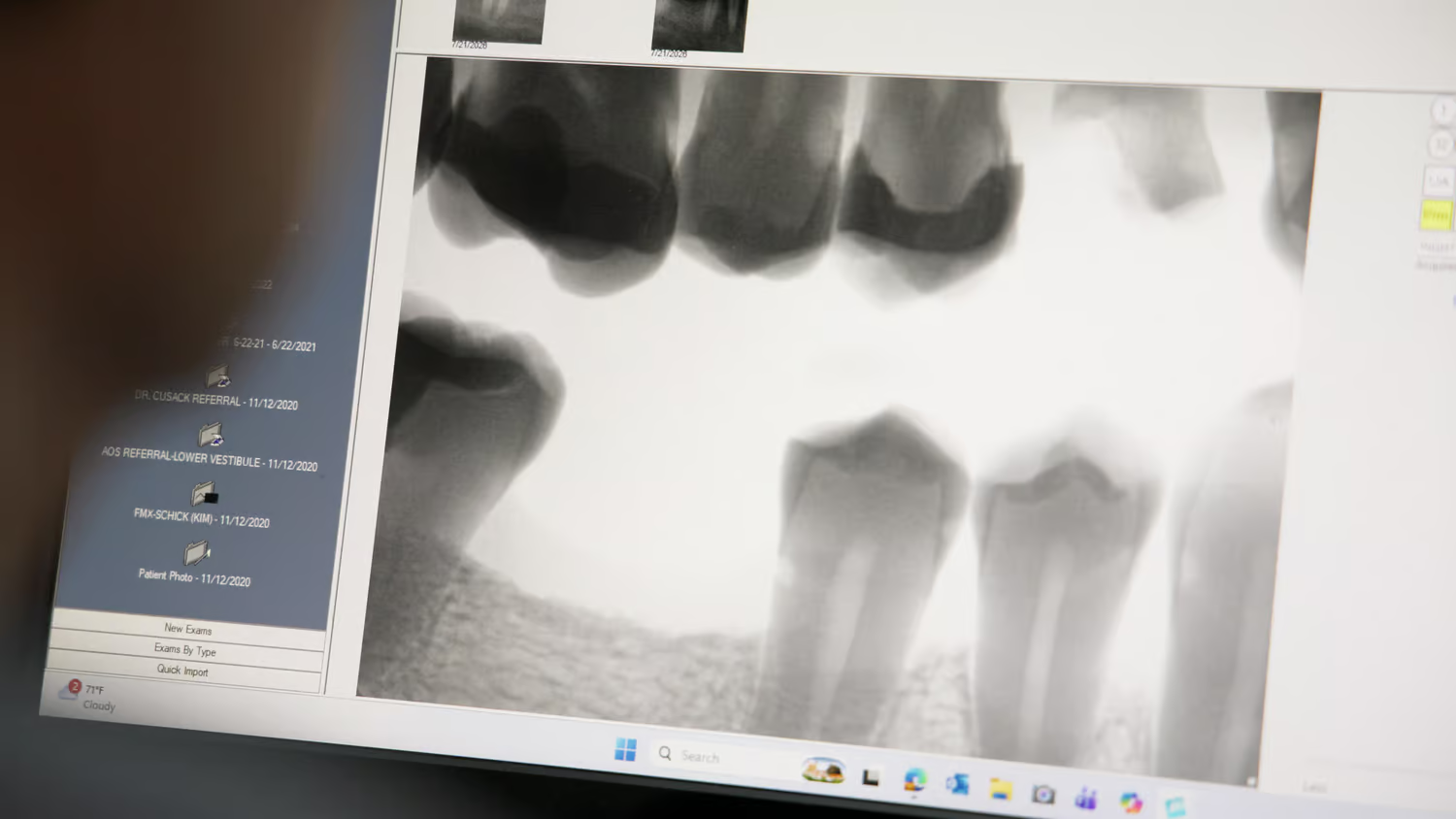
Your teeth are one part of the picture. A dentist looks for visible signs of decay, damage, or wear and considers anything you've felt, such as a spot that's sensitive when you eat. Those details help put a finding in context. A tooth that looks sound but hurts when you bite deserves a different conversation from a tooth that doesn't bother you but has a visible concern.
Your gums and the soft parts of your mouth matter, too. Bleeding when you brush, a sore that hasn't gone away, or a change you can feel with your tongue is worth mentioning. You don't have to decide whether it's a dental problem before you bring it up. The exam is where you can ask what it might mean and whether it needs attention.
It also helps to say what's changed since your last exam. Maybe cold drinks have started to bother one tooth, food keeps catching in the same place, or you've noticed a chipped edge. If you don't know when it started, that's fine. Tell the dentist what you do know. A clear description of where and when you notice something can make the discussion more useful.
The most useful part of an exam is understanding the findings. Ask which concerns need attention, which can be watched, and what information is still missing. If treatment is discussed, ask why it's being suggested and what would happen if you waited. You should leave with a clearer sense of your choices, not feel that you have to decide everything on the spot.
If it's been a while since you've had an exam, you don't need to prepare a perfect account of your dental history. Bring the questions you have now, including any concerns about a specific tooth. That gives the conversation a useful place to start.