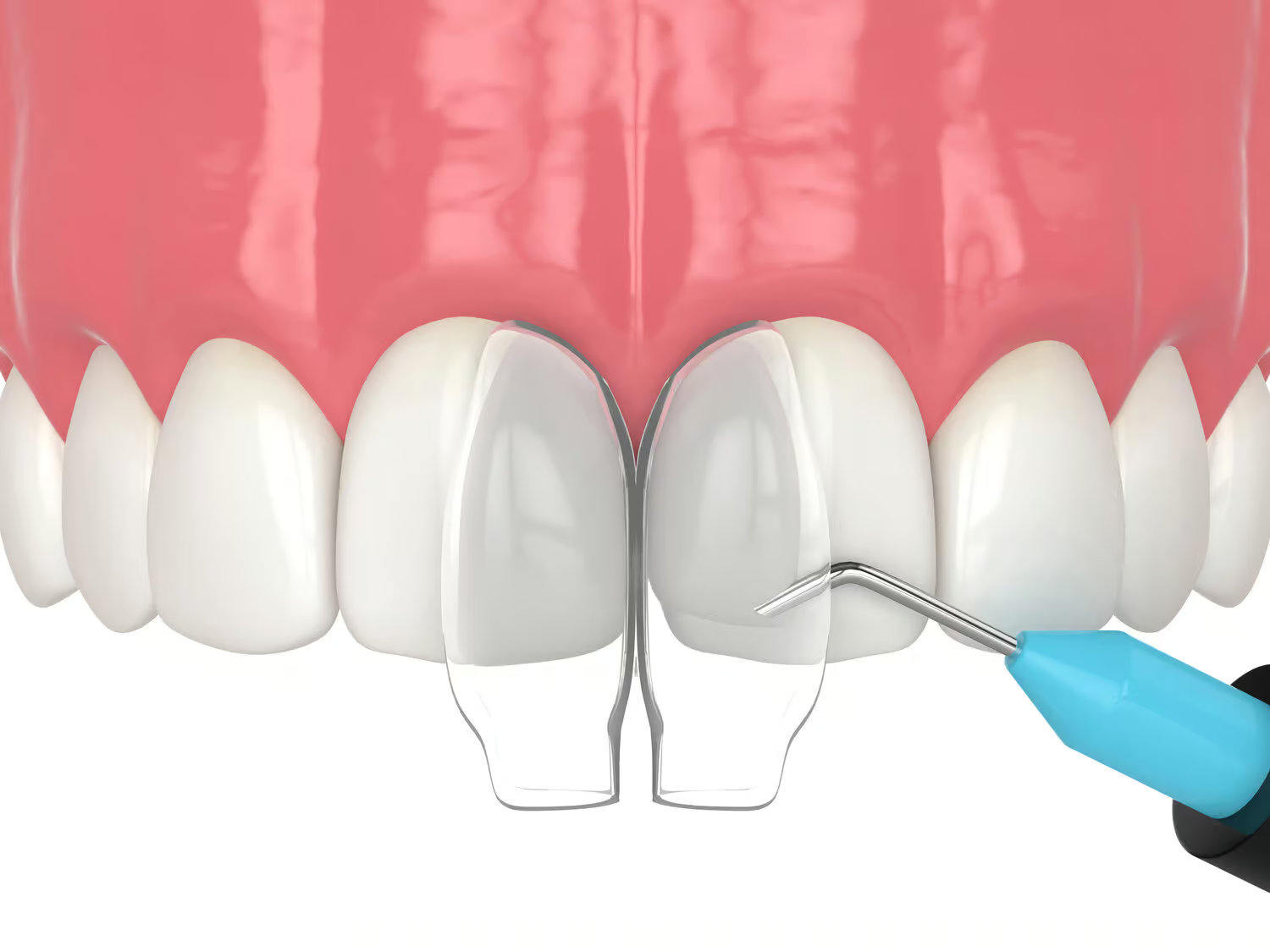

Illustration of tooth-colored bonding being applied to close a gap between front teeth
Your family's dental home

Cosmetic Bonding in Washington

Illustration of tooth-colored bonding being applied to close a gap between front teeth
The short answer
Reviewed by our
Washington
doctors.
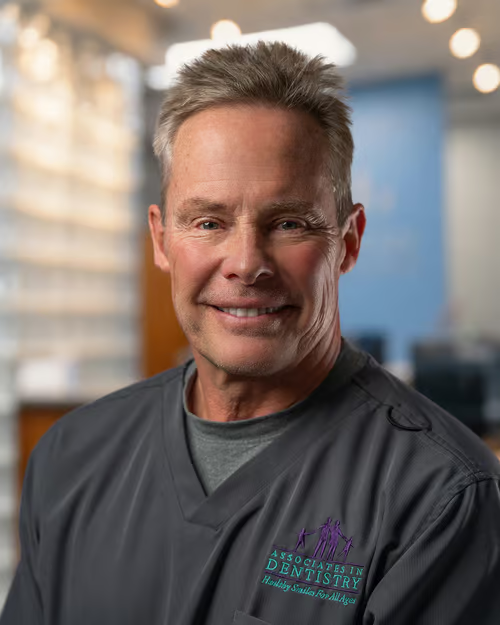
Dr. Dennis Burton, dentist at Associates in Dentistry in Washington
Dr. Jonathan Gifford, dentist at Associates in Dentistry in Peoria and Washington

Cosmetic bonding uses tooth-colored resin to fix a small, specific concern, such as a chipped corner, narrow gap or uneven edge. It works well for modest cosmetic changes. If the tooth hurts, has significant damage or needs a larger change, another treatment may be more appropriate.

01

Cosmetic Bonding Fixes Small, Specific Problems

If one small detail catches your eye every time you smile, Cosmetic Bonding in Washington may be worth considering. It's best suited to a modest change in how a tooth looks. The question isn't just whether bonding could cover the spot. It's whether that change fits the tooth you have.

Bonding uses tooth-colored composite resin to change a tooth's appearance. It can be useful when you can point to one small part of a tooth you'd like to look different, rather than a change across your whole smile.

A chip is a good example. Maybe the corner of a front tooth looks a little shorter than the one beside it. Or an edge looks uneven in photos, even though you don't notice it much in the mirror. Those are specific changes you can describe and look at closely. You don't need to decide on a treatment before you've had a chance to explain what bothers you.

A small chip or worn-looking edge: The concern is the tooth's outline, especially where it shows when you talk or smile.

A narrow space: The concern may be how two teeth look next to each other. The size and position of both teeth matter, not just the width of the gap.

One tooth with a noticeable mark or uneven shape: The concern is limited to that tooth, but its color and shape still need to make sense beside its neighbors.

It also helps to be clear about what you want to keep. If you like your smile overall and just wish one edge looked less jagged, say that. A small correction should still look like your tooth. If several teeth seem crowded or the gap comes from where the teeth sit, adding material to one surface may not give you the change you had in mind. That's a different question from whether a single edge can look smoother.

Color takes some thought, too. A tooth-colored material needs to sit next to your natural tooth, so a difference in shade may be more noticeable than you expect. A mark that looks like a simple surface flaw may also have a cause that matters. Describing when you first noticed it and what you see now helps keep the conversation focused on the right problem.

Cosmetic bonding is one of the services offered at our office on Peoria Street. If there's one detail you'd like to change, you can start by pointing it out and saying what you hope will look different.
02

When Bonding Is Not Enough

Bonding can change how a tooth looks, but it can't answer every question about that tooth. If it hurts when you bite, has a deep break, or keeps losing a repair, covering the visible spot may miss the problem. An exam can help sort out what needs attention before you decide whether a cosmetic change makes sense. You don't have to know the cause when you come in. Tell us what you feel, what you can see, and what has changed.

How your teeth meet matters, too. A bonded edge that takes pressure each time you bite may have a harder job than one that doesn't. Clenching or grinding can add to that pressure. That doesn't rule out bonding in every case, but it does change the question from "Can this edge look smoother?" to "Will that shape work when I use my teeth?" If a large part of the tooth is missing, adding resin for appearance alone may not address what the tooth needs.

The change you want might also be bigger than bonding can make look natural. Adding material to one tooth affects how it looks beside the others. If that tooth would need to become much wider or longer to give you the result you pictured, a small addition may end up looking out of place. Our cosmetic dentistry in Washington includes more than bonding, so you can describe the result you want without deciding on a procedure first. It's better to be clear about that goal than to settle for a change that doesn't address it.

Think about what you expect afterward as well. Bonding material can chip or pick up stains over time. A change that looks right at first may need attention later, especially if it's on an edge that gets a lot of use. If you want a result that won't ever need another look, bonding can't promise that. It's fair to ask how much material the change would take and what could affect it over time before you decide.

And if a small cosmetic detail doesn't bother you much, you don't have to change it. You may decide you'd rather leave the tooth as it is. That's different from ignoring pain, a new break, or another change you don't understand. In those cases, the useful first step is to find out what's happening with the tooth. Bonding should be a choice about a change you want, not a way to avoid a question about your dental health.

03

How a Bonding Visit Works

Start with the one thing you want to look different. You don't need dental terms. Point to the edge, corner, or space that catches your eye, then say what you'd like to keep the same. If you have a photo of your tooth before it changed, bring it. A picture of your own smile can be more useful than a picture of someone else's teeth.

The next question is how small a change would do the job. Bonding adds tooth-colored material, so the proposed shape needs to make sense on your tooth, not just look good in isolation. For example, making one front tooth match its neighbor may call for a slight change to its edge. Asking to make it much longer is a different decision. You should be able to describe the result you're hoping for before you agree to it.

Tell us if the tooth has been repaired before, or if its appearance has changed recently. Those details give the dentist a clearer picture of what you're asking to change. You can also say when you notice the concern most, such as when you smile in photos or see the tooth from the side. That helps keep the conversation tied to what matters to you.

Before deciding, ask what part of the tooth would change and what would stay as it is. If the answer isn't what you pictured, it's fine to pause and explain again. You can also ask whether your goal calls for work on just one tooth or whether changing that tooth alone would make it look out of place. The point isn't to leave with the biggest possible change. It's to know what you're choosing.

At our office at 300 Peoria St, cosmetic bonding is an available service. Dr. Dennis Burton and Dr. Jonathan Gifford staff this location. You don't have to decide on a shape or shade before you come in. Come ready to show the detail you mean and ask whether bonding can make the modest change you want.

Have a chip or gap you'd like fixed in one visit?
04

Who Performs Cosmetic Work at This Office

If you're thinking about bonding, you may want to know who works at the office you'll visit. Our office is staffed by Dr. Dennis Burton and Dr. Jonathan Gifford, and cosmetic bonding is offered here. Those are the local details that matter more than a list of every dentist across the practice's four offices.

Dr. Burton joined the practice in 1988. He's been with the practice for over 30 years. Dr. Gifford splits his time between Washington and Peoria. If you have a preference for either dentist, mention it when you call so you can ask about availability at our office.

Knowing who staffs an office doesn't tell you which dentist would handle a particular appointment. It's reasonable to ask who would see you to discuss the change you want and who would do the bonding if you decide to go ahead. You can ask that before choosing an appointment time, especially if seeing a particular dentist matters to you.

Your choice should rest on whether you're comfortable asking questions and whether the proposed change makes sense to you. You don't need to agree to work you don't understand.

You can also ask what you'd need to know before committing to treatment, including which tooth or teeth the dentist would recommend bonding and what might affect the result. Those questions aren't a test of your dental knowledge. They help you find out whether the dentist's recommendation matches the small change you came in to discuss. If it doesn't, you can say so.

This practice accepts and bills most insurance plans and moved to a fee-for-service model in August 2024. If payment or insurance affects your decision, ask how your plan would be handled and what the proposed bonding would cost before you agree to treatment. Working with a plan doesn't, by itself, tell you what that plan will pay.

05

Caring for Bonded Teeth After Treatment

A bonded tooth is still your tooth. It needs the same everyday cleaning as the teeth beside it. The added material can make a small change look natural, but it doesn't make the tooth immune to wear or color changes. That matters most if the bonding is on a front edge you see each time you smile.

Think about what that tooth does during a normal day. An edge used to tear into food takes more pressure than a spot on the front surface of a tooth. Biting a pen or using your teeth to pull open a package puts pressure on that edge, too. You don't need to be afraid to use your teeth. It helps to know that the location of the bonding affects how much wear it may get.

Color is another part of living with bonding. Coffee, tea, and tobacco can leave marks on tooth-colored resin over time. Your natural tooth and the added material may not change shade in quite the same way. That doesn't mean a noticeable color difference is certain. It does mean a close shade match today isn't a promise that the two surfaces will always look identical.

The edge where the material meets your tooth deserves attention during your usual cleaning. Food and plaque can collect around a bonded area just as they can around any tooth. Bonding changes the tooth's appearance, not its need for regular care. If a spot begins to feel rough to your tongue, you can describe exactly where you feel it rather than trying to guess whether the tooth or the bonding has changed.

A small chip or a change in color doesn't tell you by itself what needs to be done. The size of the change, where it sits, and the condition of the tooth all matter. The useful question is whether the bonded area still looks and feels the way you expected. That's a simpler way to keep track of a small cosmetic change than trying to judge it against a picture of someone else's smile.

If you're considering bonding, picture the tooth in your daily life, not just in a photo taken right after treatment. Knowing where the added material would sit can help you decide whether the change is worth it to you. Call our office to talk about the detail you'd like to change and whether cosmetic bonding fits that goal.

FAQ

Answers to the most common questions.

Something else on your mind?
Call us at (309) 444-8481.

What can cosmetic bonding fix?

Bonding can address smaller cosmetic concerns such as a chip, uneven edge, narrow space, or a localized change in tooth shape.

Is cosmetic bonding right for several teeth?

It can be used on more than one tooth, but it is generally suited to smaller, specific changes. A consultation can help determine whether bonding matches the result you want.

Does cosmetic bonding require removing much tooth structure?

Bonding is a conservative option for small changes. Your dentist can explain what preparation, if any, is needed for your tooth.

How long does a bonding appointment take?

The timing depends on the number of teeth and the work involved. Your dentist can give you a better estimate after seeing the teeth you want to change.

How do I care for bonded teeth?

Brush and clean them as you normally would, and tell your dentist if the bonding chips, feels rough, or changes. Your dentist can check the repair and discuss whether it needs attention.

Request an appointment

Call us at (309) 444-8481

Tell Us About Yourself

Are you new to Associates in Dentistry?

Preferred Day and Time (optional)
Thank you! Your submission has been received!

That didn't go through. Please try again, or call your office.