

What Happens Inside a Tooth When It Gets Infected
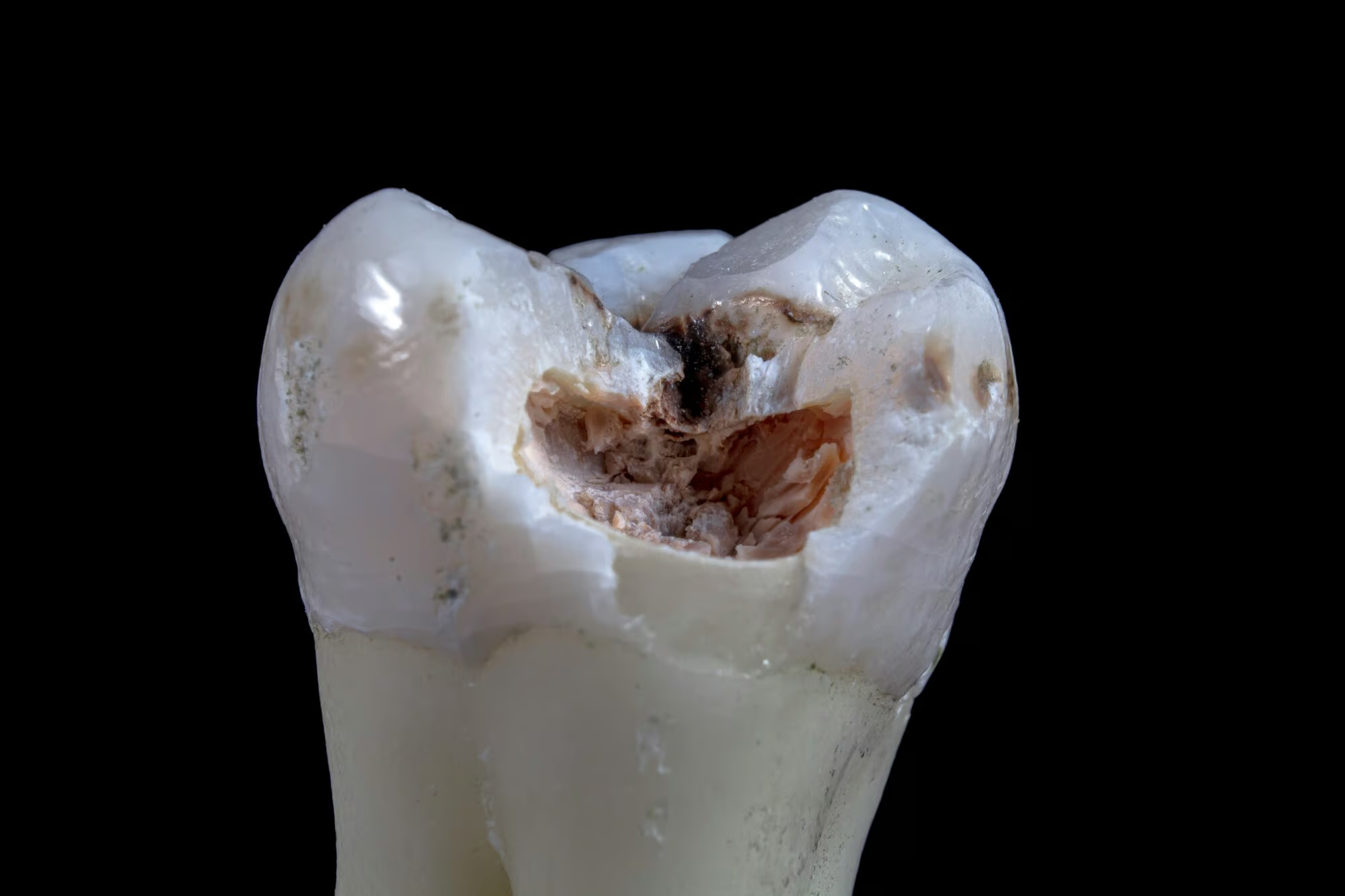
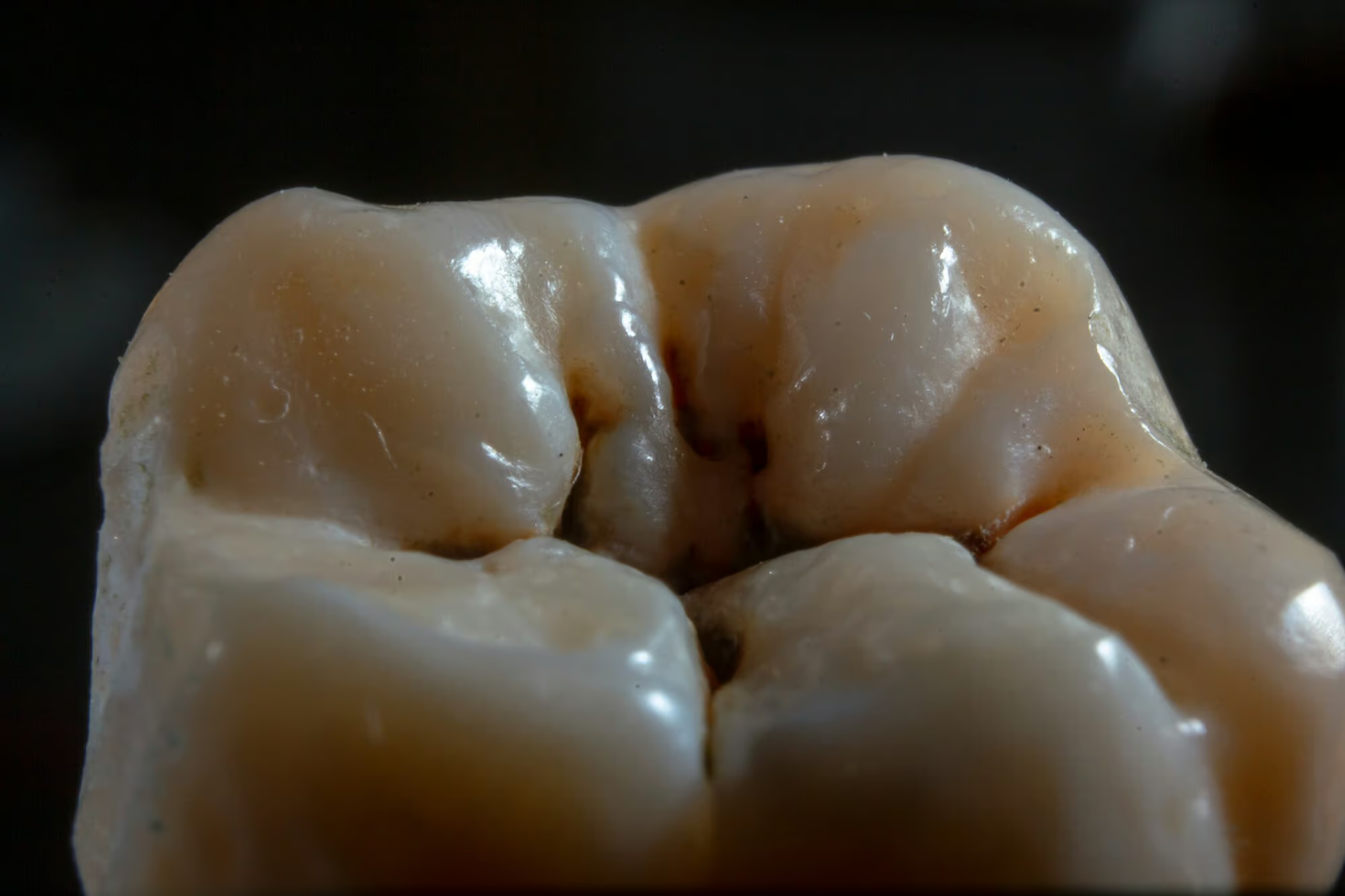
How do dentists treat a tooth infection? First, they find where the trouble started. Your tooth has a hard outer layer and a softer layer beneath it. At its center sits the pulp, where nerves and blood vessels run. The American Association of Endodontists says deep decay or a crack can let bacteria reach that space.
Once bacteria reach the pulp, your body responds. The tissue swells, but it can’t expand much inside a hard tooth. That pressure can make a tooth throb or hurt when you bite. And you may feel pain that seems to come from more than one tooth. The source isn’t always easy to spot by feel alone.
What might you notice as the infection changes? It doesn’t feel the same for everyone. Watch for these clues, then tell your dentist what started first:
- A tooth may react to hot or cold food. The feeling may linger after you’ve stopped eating.
- Biting may hurt, or the tooth may feel sore without any pressure. Both details can help your dentist find the cause.
- Your gum may look swollen near the tooth. You might also notice a bad taste if fluid drains.
- Pain can fade after being strong. That change doesn’t prove the infection has cleared.
The pain may ease, the problem hasn’t gone away. A badly damaged nerve may stop sending the same pain signals. But bacteria can still affect the tissue around the root. That’s why we ask how the pain changed, not just how much it hurts today.
A quieter tooth isn’t always a healthier tooth.
Say you felt sharp pain while drinking coffee on Monday. By Thursday, that tooth barely hurts, but your gum feels tender. Would you wait because the sharp pain stopped? We hear that question often. The change matters, and a Dental Exam can help show what’s happening.
Your dentist can check the tooth, ask about your symptoms, and look for the source. We’ve found that a simple timeline helps: note when pain began, what sets it off, and what changed. Short notes are enough. You don’t need to name the problem yourself.
If you’re in Bartonville and have tooth pain, don’t rely on a quiet day alone. And if you have swelling with fever or trouble swallowing, seek urgent care. For pain that needs a dentist’s attention, Emergency Dental Pain Treatment is the place to start.
Why Antibiotics Alone Don't Cure a Tooth Infection
Antibiotics can help with a tooth infection, but they can’t fix the tooth. That’s the part many people miss. If bacteria are trapped inside a damaged tooth, the source remains until a dentist treats it. The American Dental Association advises dental treatment for most tooth infections, rather than antibiotics alone. A pill may help in some cases, but it can’t remove damaged tissue or drain trapped pus.
We often hear that the pain eased after a few days. That’s welcome news, but it doesn’t always mean the tooth has healed. The ache fades, the source stays. Sometimes pain also drops when pressure inside the tooth changes. So how can you tell what still needs care? A dentist needs to examine the tooth and find where the infection began.
Treatment depends on what the dentist finds. They’ll check the tooth and nearby gum before recommending a next step. That step may be:
- A root canal to remove infected tissue from inside a tooth that can be saved.
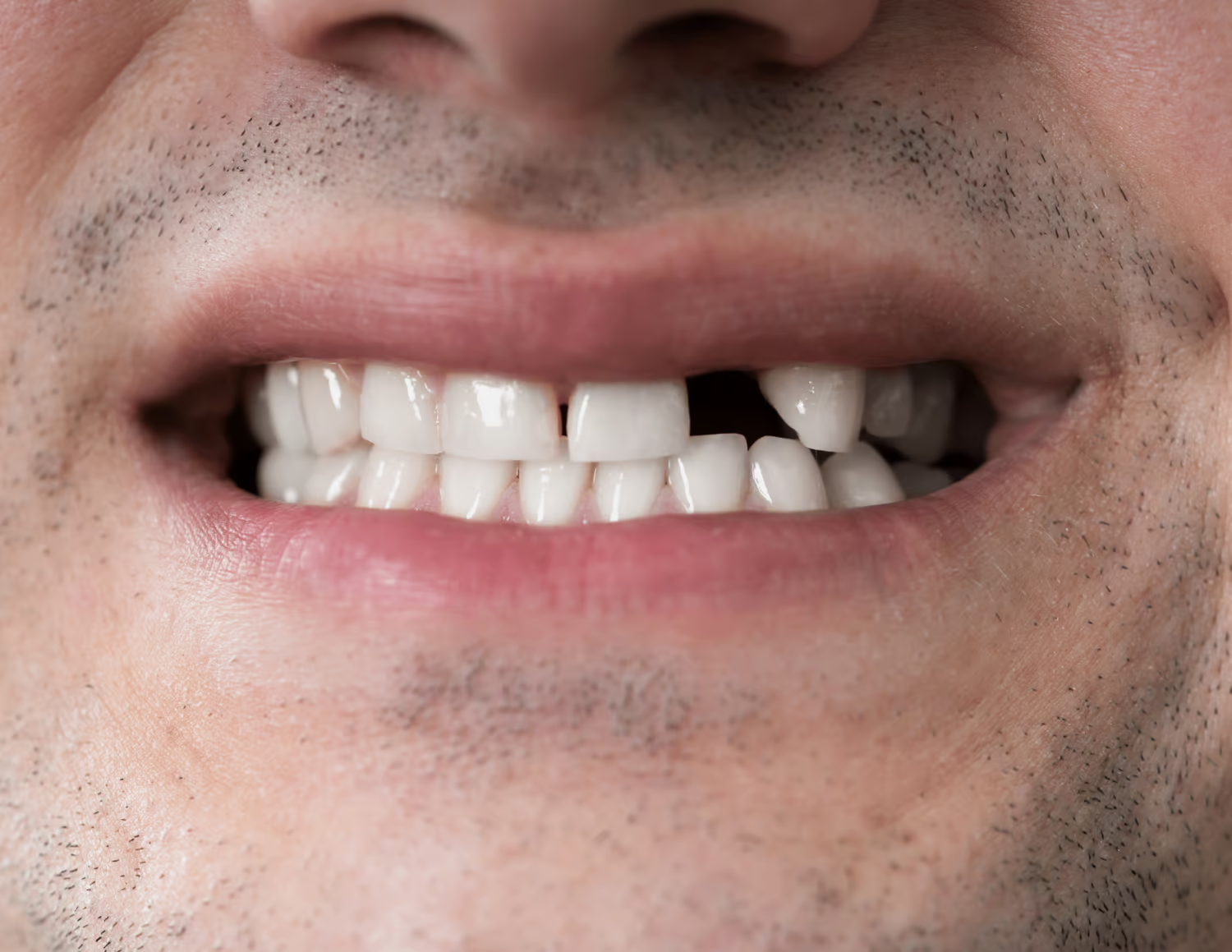
- An emergency tooth extraction if the tooth can’t be saved.
- Drainage when pus has collected and needs a way out.
The dentist may also prescribe antibiotics if the infection shows signs of spreading. The American Association of Endodontists notes that treating the tooth is the key step. Antibiotics don’t replace that care. We explain the plan before treatment, so you know what’s being done and why.
Picture this: you’re in Bartonville, and an aching tooth leads to a swollen gum. You take prescribed antibiotics, and the swelling goes down. It’s tempting to cancel the dental visit. But the damaged tooth may still let bacteria in. The swelling drops, the damaged tooth remains. That’s why feeling better is a reason to keep your appointment, not skip it.
If you’ve already started antibiotics, take them exactly as prescribed. Don’t save leftover pills for another toothache or stop early without asking your prescriber. And don’t wait for pain to become severe before calling a dentist. We’d rather check a tooth while you can still talk comfortably about your options.
A fever or swelling that spreads into your face needs prompt attention. Trouble breathing or swallowing needs emergency medical care right away. Not a wait-and-see moment. For other tooth pain, a dental exam can show what’s causing it. Then you can take the next step with a clear plan.
Learn more on our Emergency Dental Pain Treatment in Bartonville page.
Treatment Options: Root Canal, Extraction, and Drainage
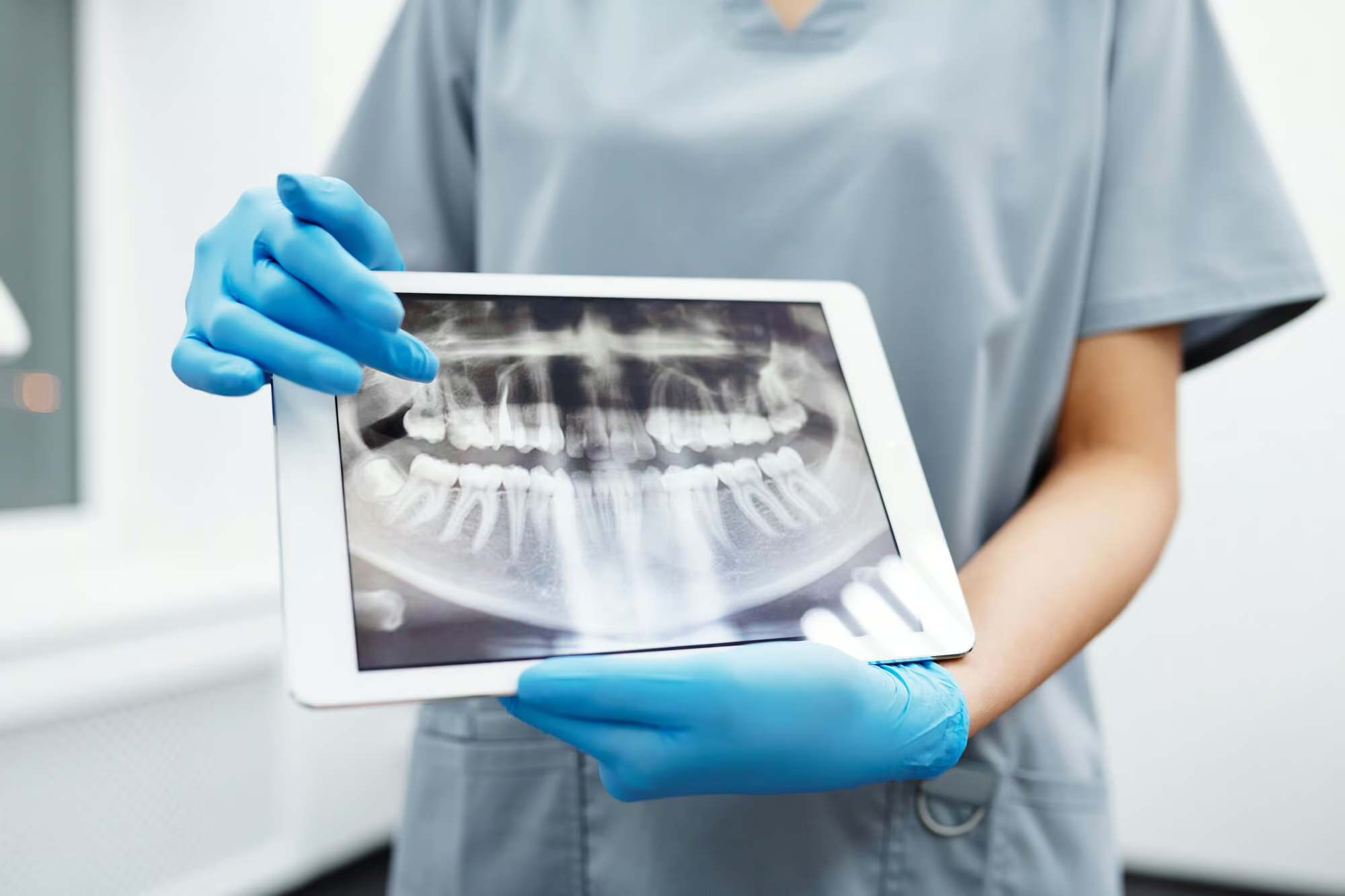
A tooth infection needs more than pain relief. The dentist needs to find its source. We start with a Dental Exam and ask where you feel pain. We also check for swelling and test the tooth. An X-ray helps us see what’s happening below the gum. Then we can talk through the next step.
Why can’t the dentist just drain the swelling? Draining may ease pressure, but it may not fix the tooth. The pain may fade, the infection may still be there. Treatment depends on whether the tooth can be saved and where the infection sits.
Here’s how the main options differ:
- Root Canals: If the tooth can be saved, the dentist removes infected tissue from inside it. The space is cleaned and sealed. You may need a Dental Crown afterward, depending on the tooth.
- Emergency Tooth Extraction: If the tooth can’t be saved, removing it takes away the source. A deep crack or too little sound tooth may point toward this choice. The dentist will explain what they found before treatment.
- Drainage: If pus has collected in one spot, the dentist may need to let it drain. This can ease pressure. It’s often paired with treatment for the tooth itself, not used instead.
Those choices can sound bigger than they feel during a visit. We see people arrive certain they’ll lose a tooth. Sometimes the exam shows a path to save it. Other times, removing it is the clearer choice. We’ll tell you what we can see and what we can’t know yet.
Picture a Bartonville neighbor with a sore tooth and a swollen gum. The swelling may shrink, the cause may still be there. If the infection began inside the tooth, drainage alone won’t finish the job. But if the tooth has a deep crack, Root Canals may not be the right fit. That’s why an exam comes before a treatment plan.
Antibiotics can help in some cases, but they don’t replace treatment of the tooth. The American Dental Association advises treating the dental source when possible. And you shouldn’t wait for pain to get worse before calling. A tooth infection can change even after a quieter day.
Tell us if swelling is spreading or you feel feverish. If you have trouble breathing or swallowing, seek emergency medical care right away. Otherwise, a Dental Exam can help you understand your options. No guessing about what comes next.
For help taking that first step, visit our Emergency Dental Pain Treatment in Bartonville page. You can tell us what’s happening, and we’ll help you plan a visit.
Related guide: Toothache Relief: A Step-by-Step Guide from Our Bartonville Dentists