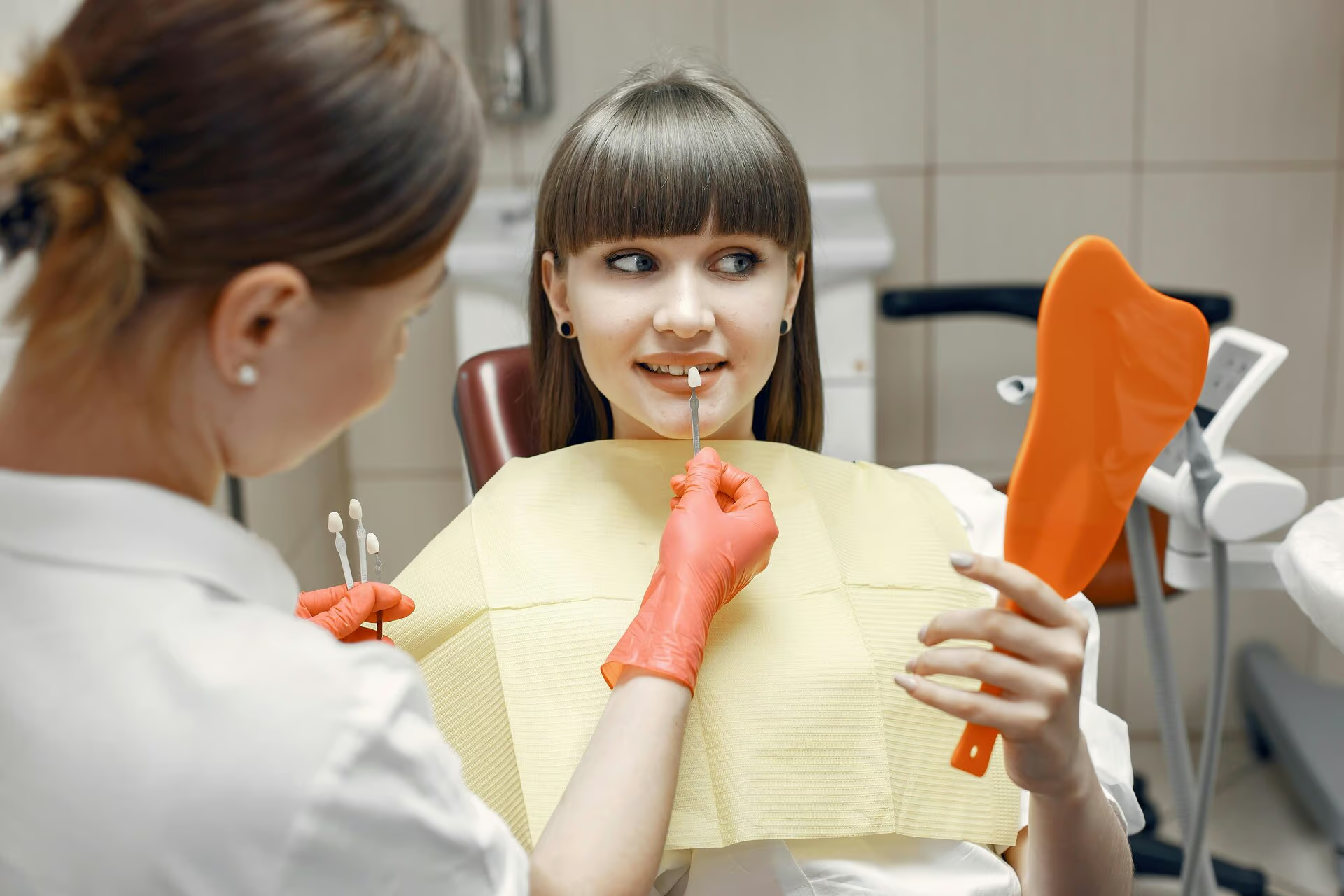

Smiling patient in a dental chair checking her teeth in a hand mirror
Your family's dental home

Veneers in Canton: Are They the Right Fix for Your Smile?

Smiling patient in a dental chair checking her teeth in a hand mirror
The short answer
Reviewed by our
Canton
doctors.
Dr. Aaron Thum, dentist at Associates in Dentistry in Canton

Veneers work best when your teeth are healthy and the thing bothering you is on the surface, like chips, stains, small gaps, or uneven shapes. They're usually a lasting choice, so it's worth ruling out simpler fixes first. If decay, gum problems, or heavy grinding are in the picture, those come first, and veneers may not be the right call at all.

01

Deciding If Veneers Are Right for Your Smile

Most people don't come in asking for veneers by name. They come in saying something like, "I hate how my front teeth look in pictures." That's a good place to start. The real question isn't whether veneers can make teeth look better. It's whether they're the best way to fix what you're seeing.

This is part of Cosmetic Dentistry in Canton. Care is provided at our Canton office by Dr. Aaron Thum.

Veneers tend to be a strong fit when:

  • Your teeth have stains that whitening hasn't lifted, or that whitening can't reach
  • You have chips, worn edges, or teeth that look short or uneven
  • There are small gaps between your front teeth
  • A few teeth are slightly out of line, and you'd rather not wear aligners
  • Your teeth and gums are healthy underneath the cosmetic problem

Veneers cover the front of a tooth. They don't fix what's going on inside it or below it. So they're often not the right fit when:

  • You have active decay or a tooth that needs a root canal
  • Your gums are red, puffy, or bleed when you brush
  • You grind or clench your teeth hard, especially at night
  • Your bite is off in a way that puts extra force on your front teeth
  • A tooth is badly broken or has a large old filling, where a crown may protect it better

None of those mean you're out of options. They just mean there's work to do first, or that a different treatment will serve you better. If gum health is the issue, periodontal treatment comes before anything cosmetic.

There's one more thing to know before you decide. Most veneers mean removing a thin layer of enamel from the front of each tooth so the veneer sits flush. Enamel doesn't grow back. That makes veneers a long-term commitment, and you'll likely need them replaced at some point down the road. It's a good choice for a lot of people. It's just not one to make on a whim.

That's why it's worth asking whether something simpler would do the job. Here in Canton, we also offer teeth whitening, cosmetic bonding, and clear aligners. Whitening can brighten teeth that are simply yellowed. Bonding can patch a single chip or close a small gap with tooth-colored material, often without removing enamel. Clear aligners can straighten teeth you'd rather move than cover. Sometimes one of these gets you the smile you want. Sometimes veneers really are the better answer. Either way, you deserve to hear both sides.

Dr. Aaron Thum was born and raised in Canton, and he's the doctor you'll see at our Main Street office. Bring your questions and a clear idea of what bugs you about your smile. He'll take a close look at your teeth and gums and tell you straight whether veneers make sense for you, or whether there's a better path.


02

When Whitening or Bonding Makes More Sense

Sometimes the right answer is the smaller one. If your teeth are healthy and only one or two things bother you, whitening or bonding may give you the look you want for less money and less commitment than veneers. Here's how to tell.

Whitening is often the right first step when your whole smile looks dull or yellow but the shape of your teeth is fine. Coffee, tea, and time all leave their mark on enamel, and whitening can lift a lot of that. It works best on natural teeth that have yellowed evenly. It's usually not the answer for every kind of stain.

  • Whitening won't change the color of fillings, crowns, or old bonding. Those stay the shade they are.
  • Gray or deep stains, like those from an old injury to a tooth or certain medicines taken as a child, often don't respond well.
  • Whitening changes color, not shape. It won't fix a chip, a gap, or a short tooth.

If your problem is mostly color and those limits don't apply to you, try whitening before you think about anything more permanent. You may find it's enough.

Bonding is a good fit when the problem is small and in one spot. Picture a front tooth that chipped on a fork years ago, or a little gap between your two front teeth that you notice in every photo. Bonding uses a tooth-colored resin that's shaped right on the tooth. It can often be done in a single visit, and it costs less per tooth than a veneer in most cases.

There's a tradeoff. Bonding resin isn't as strong or stain-resistant as porcelain. Over the years it can pick up stains, wear at the edges, or chip, so you may need a touch-up now and then. The good news is that bonding is usually easy to repair or redo. For a lot of people, that's a fair deal for keeping more of their natural tooth.

Whitening and bonding also work well together. If you'd like brighter teeth and need one chip fixed, it makes sense to whiten first. Bonding is matched to the shade of your teeth when it's placed, and it won't lighten later. So getting your teeth to the color you want first means the repair blends in.

So when do veneers win out? Usually when you want to change several things at once across many teeth, like color, shape, and small gaps together, or when stains won't whiten. Veneers can handle all of that in one plan and hold their look for a long time. Whitening and bonding are better when your list of concerns is short.

We offer all three as part of cosmetic dentistry in Canton, so there's no pressure to pick one before you're ready. Dr. Thum can look at what's bothering you and tell you which option fits. Sometimes the best plan is the one that leaves the most of your own tooth in place.

03

What Tooth Preparation Involves

Preparing your teeth for veneers usually takes two visits. First, your teeth are gently shaped and measured. Then the finished veneers are bonded in place. The shaping is the part people worry about most, and it's also the part you can't undo. So it helps to know what really happens.

Before anything starts, you and your dentist should agree on the result you're after. That means the shade, the length, and the shape you'd like your teeth to have. Many people find it easier to say yes once they can picture the finished smile. It's also the best time to ask questions, because the next step is permanent.

Here's what the shaping visit typically includes:

  • Numbing the area, so you'll mostly feel pressure and vibration, not pain
  • Removing a very thin layer from the front of each tooth, and sometimes a little at the edge, so the veneer sits flush and doesn't look bulky
  • Taking an impression or scan of the shaped teeth so the veneers can be made to fit
  • Placing temporary veneers so you're not walking around with shaved teeth while you wait

The amount removed is small. But as we covered earlier, enamel doesn't grow back. Once a tooth is shaped, it will always need a covering of some kind. That's why it's worth taking your time with the decision before this visit, not during it.

Temporaries are a short-term stand-in, so don't expect them to feel like the real thing. They can feel a little rough or thick, and they may not match perfectly. Some people notice their teeth are more sensitive to cold for a while after shaping. It's smart to go easy on hard or sticky foods until your final veneers are on. If a temporary comes loose, call the office rather than trying to glue it back yourself.

At the second visit, the temporaries come off and your teeth are cleaned. Each veneer is checked for fit and color before it's bonded. Then your bite is checked, so your teeth meet the way they should when you chew. This step matters more than most people expect. A veneer that hits too hard when you bite is more likely to chip down the road.

You may have heard of no-prep or minimal-prep veneers. They need little or no shaping, which keeps more of your natural tooth. They can work well for some people, often when teeth are small or slightly worn. On teeth that already stick out a little, though, they can look bulky. Whether they'd work for you depends on your teeth, and that's worth asking about at your exam.

Your first few days with new veneers can feel a little strange. Your tongue will notice the change, and you may need some time to get used to how your teeth feel. That usually settles as you get used to them. If something still feels off after the first week or so, tell your dentist. A small adjustment to your bite is normal, and it's much better than living with a veneer that doesn't feel right.

Wondering if veneers are right for your smile?
04

The Veneer Process From Consult to Final Fit

Getting veneers usually takes a few weeks from your first visit to your finished smile. Most of that time goes into planning and making the veneers, not sitting in the chair. Here's how it tends to go, start to finish.

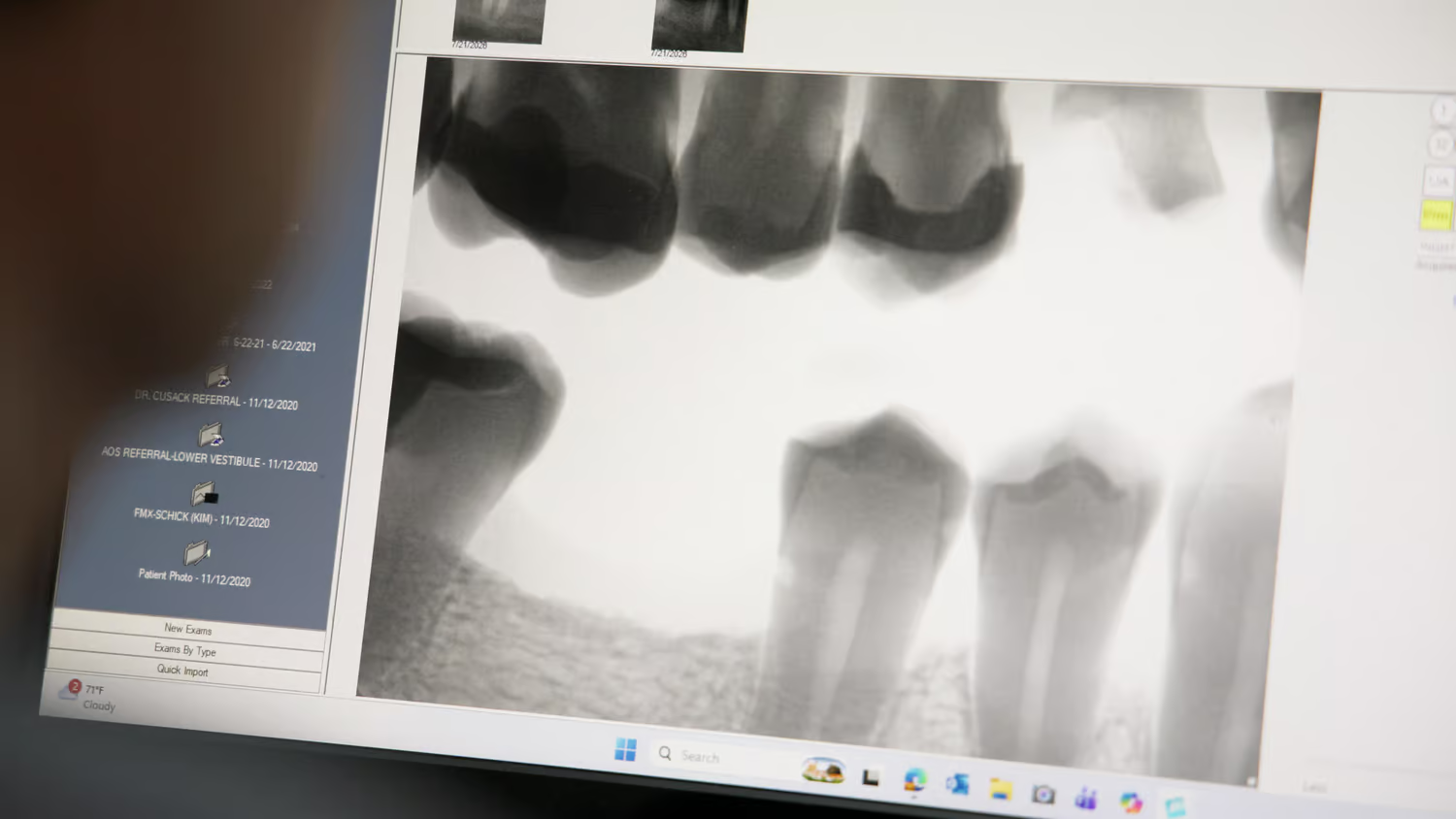
It starts with a conversation and an exam. You'll talk about what bothers you and what you'd like to change. Your dentist will check your teeth and gums and may take X-rays to look for decay or bone problems you can't see. This is where the health issues we covered earlier get ruled out. If something needs treatment first, that comes before any cosmetic work.

Next comes the plan. This is where you settle a few big choices:

  • How many teeth to cover. Many people choose the teeth that show when they smile, so the color looks even from every angle.
  • The shade. If you want brighter teeth next to your veneers, whiten first. Veneers won't change color later, and neither will your natural teeth to match them.
  • The shape and length. A good plan fits your face and your smile, not a one-size picture from a magazine.

This is also the right time to ask about cost. Dental plans often treat veneers as cosmetic, which can mean little or no coverage. Associates in Dentistry accepts and bills most insurance plans, so bring your card and ask what your plan does and doesn't cover before you commit. Good questions to ask include how many teeth are in the plan, what each one costs, and what's included if a veneer needs an adjustment.

After that come the shaping visit and the final bonding visit, which we walked through in the section above. Between the two, you'll wear temporaries while your veneers are made.

Once your veneers are on, a short follow-up check is worth keeping. It's a chance to look at your gums around the edges and make sure your bite still feels right after you've chewed on your new teeth for a while. Small fixes are easy at this stage.

Then it's mostly up to you. Veneers don't need special care, but they do need steady care. Here's what helps them last:

  • Brush twice a day and floss every day. The tooth under a veneer can still get decay at the edges.
  • Keep up with regular cleanings and exams so problems get caught early.
  • Don't chew ice, pens, or fingernails, and don't open packages with your teeth.
  • Wear a mouthguard for sports. If you start grinding your teeth, tell your dentist so you can protect your veneers.

Even with good care, veneers can wear or chip over the years and may need to be replaced someday. That's normal, and it's part of the long-term choice we talked about earlier.

In Canton, the doctor you'll see from your first question to your follow-up is Dr. Aaron Thum. Since he's the only doctor at our Main Street office, you won't have to start over with someone new partway through. He'll know your teeth, your goals, and the plan you made together.

05

How Veneer Pricing Works

Veneers are usually priced per tooth. That's the single biggest reason one person's total can look so different from another's. Fixing two front teeth and covering every tooth that shows when you smile are two very different plans, even if the price for each tooth is the same.

Once you know the per-tooth idea, the rest of a quote is easier to follow. Here's what tends to move the total up or down:

  • How many teeth you cover. This matters more than anything else. A plan that covers more teeth costs more, but it can also give you a more even color across your smile.
  • What the veneers are made of. Porcelain veneers usually cost more per tooth than composite resin veneers. Porcelain is made to fit your tooth and holds its color and shine longer. Resin costs less up front but wears and stains sooner.
  • Work that has to happen first. If a tooth needs a filling, or your gums need care, that treatment is part of the real cost of getting to veneers, even though it's billed on its own.
  • Whitening before you start. If you want your other teeth brighter to match, whitening is a separate step with its own cost.
  • What's bundled into the quote. Planning, temporaries, the lab that makes the veneers, and a follow-up adjustment may be included or listed separately. It helps to know which before you compare numbers.

Insurance often plays a smaller role here than people expect, since many plans see veneers as cosmetic. We covered how to check your plan in the section above, so that's worth doing early in your planning.

It also helps to think about cost over many years, not just on day one. Veneers last a long time, but they may need to be replaced someday. Bonding costs less per tooth, as we mentioned earlier, but it usually needs touch-ups along the way. Neither one is a one-time purchase. The better question is which option fits your teeth and your budget over the long haul.

Here's a simple way to picture it. Say one front tooth has a chip and the rest of your smile looks fine to you. Bonding that one tooth may be all you need. Now say you have stains that won't whiten, a couple of uneven edges, and a small gap, all across the front of your smile. Fixing those one at a time can add up, and veneers may be the more sensible plan even though the first bill is bigger.

Try not to shop on price alone. A veneer that's well planned and fitted to your bite is less likely to chip and need an early replacement. The cheapest quote isn't a bargain if you end up paying for the same tooth twice.

The surest way to know your number is to sit down with a plan in front of you. Dr. Thum can look at your teeth, tell you which teeth really need covering, and walk you through what a plan would include. He'll also tell you plainly if a smaller fix would do the job.

FAQ

Answers to the most common questions.

Something else on your mind?
Call us at (309) 647-3331.

Can I eat an apple with veneers?

Once your veneers are fully bonded and you've adjusted to them, you can generally eat normally. Your dentist may recommend avoiding very hard foods or biting directly into hard objects to reduce the risk of chipping.

Are there situations where veneers aren't a good choice?

Veneers aren't right for everyone. Your bite, tooth health, amount of available enamel and habits such as grinding can all affect whether they're a good option.

How long do veneers last?

Veneers can last for many years with good care and regular dental visits. Avoiding hard objects and wearing a night guard if you grind your teeth can help protect them.

Do veneers require removing enamel?

Most veneers require a thin layer of enamel to be removed so the veneer can fit properly. That means the treatment is generally permanent. Depending on your goals, whitening or bonding may be worth considering before choosing veneers.

Should I whiten my teeth before getting veneers?

If you're considering whitening, it's generally better to do it before veneers are made. Veneers don't whiten, so whitening first allows the veneers to be matched to your final tooth color.

Will I see the same dentist for every veneer visit?

Yes. Dr. Aaron Thum can handle your veneer treatment here in Canton, from the initial consultation through the placement of your veneers.

Request an appointment

Call us at (309) 647-3331

Tell Us About Yourself

Are you new to Associates in Dentistry?

Preferred Day and Time (optional)
Thank you! Your submission has been received!

That didn't go through. Please try again, or call your office.