
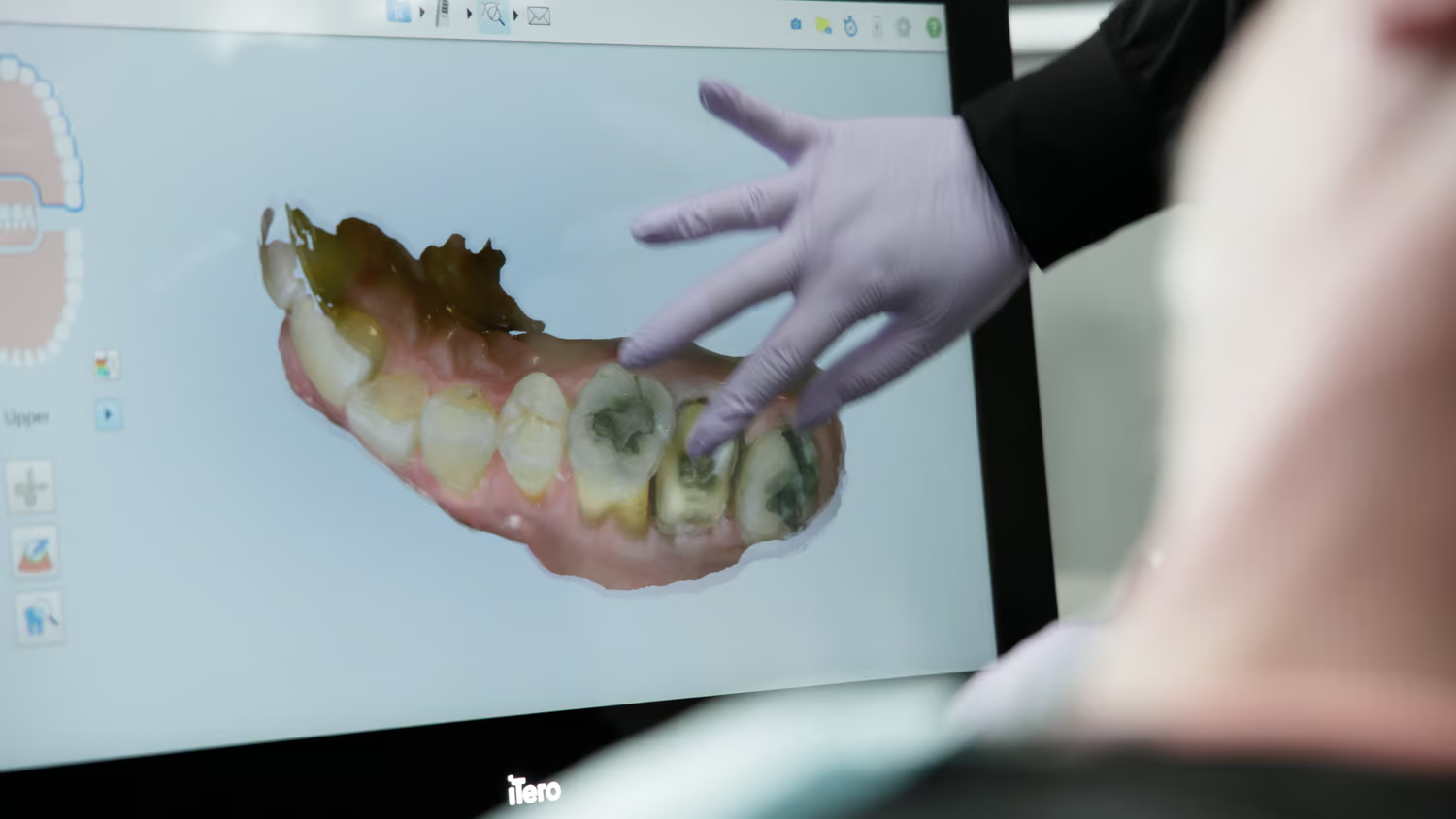

Gloved hand pointing to a 3D digital scan of a patient's teeth on a monitor
Your family's dental home

Periodontal Treatment in Canton: Know If You Need It and Where to Get It

Gloved hand pointing to a 3D digital scan of a patient's teeth on a monitor
The short answer
Reviewed by our
Canton
doctors.
Dr. Aaron Thum, dentist at Associates in Dentistry in Canton

Periodontal treatment addresses gum disease below the gumline, often with a deep cleaning called scaling and root planing. A periodontal exam and probing can show whether you need this treatment or whether a routine cleaning is enough.

01

Signs Your Gums Need More Than a Cleaning

If your gums have changed, it’s fair to wonder whether a regular cleaning is enough. Periodontal Treatment in Canton may be the right conversation when those changes point to trouble around the teeth, not just buildup on them. You can’t tell which care you need from one symptom alone.

Bleeding, gums that pull back from your teeth, and teeth that feel loose can each point to a gum problem. What matters is whether the change keeps happening and what’s causing it.

The signs aren’t always painful. Pay attention to changes you notice while brushing, flossing, eating, or looking in the mirror:

  • Bleeding that keeps coming back. A little blood after you snap floss hard against a gum is different from seeing blood again and again when you brush gently. The pattern matters more than any one morning.
  • Red, swollen, or tender gums. Healthy-looking gums shouldn’t stay puffy around a tooth. If the same spot looks irritated day after day, don’t assume brushing harder will fix it.
  • Gums that seem to be pulling away. A tooth may look longer than it used to, or you may notice more of its root near the gumline. The change can be slow enough that you only spot it in an older photo.
  • Breath that stays unpleasant. Food and dry mouth can affect your breath, too. If the problem sticks around despite your usual brushing and flossing, your gums may be one possible cause.
  • A change in how a tooth feels. A tooth that feels loose, shifts, or feels different when you bite deserves attention. It doesn’t tell you the cause on its own.

One episode of bleeding doesn’t mean you have gum disease, and bad breath alone doesn’t mean you need periodontal treatment. That’s why it helps to describe exactly what you’ve noticed: which teeth or gums are involved, whether the change comes and goes, and whether eating or brushing makes it more noticeable. Those details give you a clearer starting point than guessing from a photo online.

At Associates in Dentistry’s office, Dr. Aaron Thum is the location’s dentist. He was born and raised in Canton. If you’ve noticed one of these changes, the question isn’t whether your gums look bad enough for treatment. It’s whether a routine cleaning addresses the problem you’re seeing or whether your gums need a different kind of care.

02

How a Probing Exam Tells Gingivitis From Periodontitis

The key difference is what’s happened beneath the gumline. Gingivitis is inflammation of the gums. Periodontitis means the structures that hold a tooth in place have been damaged. Your gums can look similar in either case, so appearance alone can’t settle whether a regular cleaning is enough. A probing exam helps answer that question by measuring the space between each tooth and the gum around it.

A dental professional uses a small, marked probe to check that space at several points around a tooth. You may hear those measurements called pocket depths. A deeper reading can be a clue, but it isn’t a diagnosis by itself. Swollen gums can make a pocket seem deeper, while gums that have pulled back can leave less visible pocket depth even when support has been lost. That’s why the measurements need to be read alongside the rest of the exam.

The exam also looks at where the gum attaches to the tooth. That matters because swelling and lasting loss of support aren’t the same problem. Bleeding during gentle probing can show inflammation, but it can’t tell the whole story either. Dental X-rays may help show whether bone around a tooth has been lost. Together, these findings help distinguish gum inflammation from damage to the tissue and bone that support your teeth.

The pattern matters as much as any one reading. One deeper spot may need a closer look; several affected areas may point to a wider problem. If earlier measurements are available, a dental professional can also compare them with today’s findings. A change over time tells you something a single visit can’t. The goal isn’t to give you a number without context. It’s to understand what’s happening around your teeth and whether it’s stayed the same.

That’s the practical reason for the exam: gingivitis and periodontitis call for different care decisions. If the gums are inflamed but tooth support hasn’t been lost, periodontal treatment may not be the next step. If there’s evidence of lost support, a routine cleaning alone may not address the problem. Before choosing care, you should be able to ask what the measurements mean, whether there’s evidence of bone loss, and which findings support the recommendation.

03

When a Routine Cleaning Is Enough

You may not need periodontal treatment. If your gums are inflamed but there’s no sign that the tissue or bone supporting your teeth has been lost, a routine cleaning may be enough. It isn’t a lesser choice. The right care depends on what’s happening beneath the gumline, not on how worried you feel when you spot a little blood.

Say you notice blood once after floss catches hard against a gum. That one moment doesn’t tell you that you have gum disease, and it isn’t a reason by itself to choose periodontal treatment. The same goes for breath that seems off one morning. Neither sign, on its own, shows that a regular cleaning won’t meet your needs. It’s reasonable not to assume you need more involved care based on a single change.

Even when your gums are red or tender, the answer isn’t automatically periodontal treatment. Inflamed gums and gums that have lost support are different problems. If the findings point to inflammation without lasting damage, you shouldn’t feel pushed toward treatment for damage that hasn’t been found. A regular cleaning may be the appropriate choice, along with keeping up your usual care at home. You don’t have to decide from the color of your gums alone.

It’s also possible for one area to bother you while the rest of your mouth feels fine. That doesn’t mean every tooth needs the same level of care. The useful question is whether there’s evidence of a deeper problem in that area. If there isn’t, choosing a routine cleaning isn’t ignoring the spot. It’s choosing care that fits what’s been found rather than treating a concern as a diagnosis.

If you’re weighing the two options, ask what finding makes periodontal treatment necessary instead of a regular cleaning. You should be able to understand the reason in plain language. If no loss of tooth support has been found, that’s an important part of the decision. You don’t need to agree to a more involved treatment just because your gums have bled, looked puffy, or made you uneasy. When a routine cleaning is enough, it’s enough.

Gums bleeding when you brush? Let's measure.
04

What Happens During Scaling and Root Planing

Scaling and root planing is a type of periodontal treatment for a problem below the gumline. It’s often called a deep cleaning, but that name can make it sound like a longer version of a routine cleaning. The reason for recommending it matters more than the name. It’s meant to address buildup around the roots of teeth when the exam shows a problem that a routine cleaning won’t fully address.

The recommendation should be specific to your mouth. You may have one area of concern, or findings around several teeth. Before you agree to treatment, ask which teeth need it and what the exam found there. You shouldn’t have to guess whether the recommendation applies to one spot or your whole mouth. Knowing the area involved also helps you ask a clearer question about the care you’ll need.

It’s also worth asking what to expect during treatment. How will the area be kept comfortable? Will the recommended care be completed in one visit or more than one? Those are fair questions, and the answers should fit the care being recommended for you. Don’t assume that someone else’s experience with a deep cleaning tells you exactly what yours will be like.

The goal is to help control the gum problem, not to promise that lost tooth support will grow back. Ask how the dentist will check whether your gums are responding and what you’ll need to do to keep caring for them afterward. That gives you a way to understand both the treatment and what comes next, without treating it as a one-time fix.

If scaling and root planing is recommended, you can ask for the reason in plain words: which findings call for it, which teeth are involved, and why a routine cleaning isn’t enough for those areas. At Associates in Dentistry’s office, periodontal treatment is available. The decision to have it should start with understanding what your own exam shows.

05

Ongoing Care After Periodontal Treatment

After periodontal treatment, the question changes: are the areas that needed care staying steady? Your gums may feel better, and that’s welcome, but how they feel isn’t the whole answer. Ongoing care should fit what’s happening around your teeth now. That’s especially useful to know if only a few areas needed treatment. You want to understand how those spots are doing, not just whether your mouth feels clean.

Ask how the treated areas will be checked and how the findings will be compared with your earlier exam. If a spot has changed, ask what that change means for your care. If it hasn’t changed, ask what staying steady means for you. The point isn’t to track numbers on your own. It’s to leave knowing whether the problem is being controlled and why the next step makes sense.

It’s worth asking what kind of future cleaning is appropriate, too. A routine cleaning may be right for some people, while others may need a different plan after periodontal treatment. Don’t assume you’ll need the same care forever, or that you can switch back to routine cleanings just because the first treatment is done. Your exam findings should guide that choice. Before setting a schedule, ask what the recommendation is based on and what might cause it to change.

Home care is part of that conversation, but you shouldn’t have to guess what to focus on. Ask which areas are hardest for you to keep clean and whether there’s anything you should do differently at home. If a certain spot continues to concern you, say where it is and what you’ve noticed. That gives the dentist something specific to consider alongside the exam, rather than leaving you to decide whether every change means the problem has returned.

There’s no need to measure success against someone else’s gums or someone else’s visit schedule. What matters is whether the care plan still fits your findings and whether you understand it. If you’re unsure why a particular kind of cleaning or another treatment is recommended, ask. You can also ask what the dentist will look for next time. A clear answer helps you take part in the decision instead of feeling that you’ve been put on a plan with no end in sight.

If you’re ready to discuss ongoing gum care, book a visit with Associates in Dentistry at 336 N Main St in Canton. Dr. Aaron Thum is the office’s dentist. Bring your questions about what’s changed and what care you need next.

FAQ

Answers to the most common questions.

Something else on your mind?
Call us at (309) 647-3331.

What are the signs of gum disease?

Bleeding, red or swollen gums, persistent bad breath, gum recession and loose teeth can all be signs of gum disease. Some people have few noticeable symptoms, which is why regular exams and periodontal measurements are important.

What's the difference between gingivitis and periodontitis?

Gingivitis is an early form of gum disease that affects the gums and can often be reversed with improved oral hygiene and professional cleanings. Periodontitis is more advanced and affects the tissues and bone that support your teeth.

What is scaling and root planing?

Scaling and root planing is a deeper cleaning used to treat gum disease below the gumline. It removes buildup from around the teeth and smooths the root surfaces so the gums have a better chance to heal.

Does periodontal treatment hurt?

Your gums are numbed before treatment, so you shouldn't feel the cleaning itself. You may notice pressure during the procedure and some tenderness afterward.

Do I need periodontal treatment, or is a regular cleaning enough?

That depends on the health of your gums. If your gums are healthy or the inflammation is mild, a routine cleaning may be enough. A periodontal exam and probing help determine which type of cleaning you need.

What happens after periodontal treatment?

You'll need to keep up with good home care and regular follow-up visits. Some patients also need more frequent cleanings to help control gum disease and keep it from returning.

Request an appointment

Call us at (309) 647-3331

Tell Us About Yourself

Are you new to Associates in Dentistry?

Preferred Day and Time (optional)
Thank you! Your submission has been received!

That didn't go through. Please try again, or call your office.