
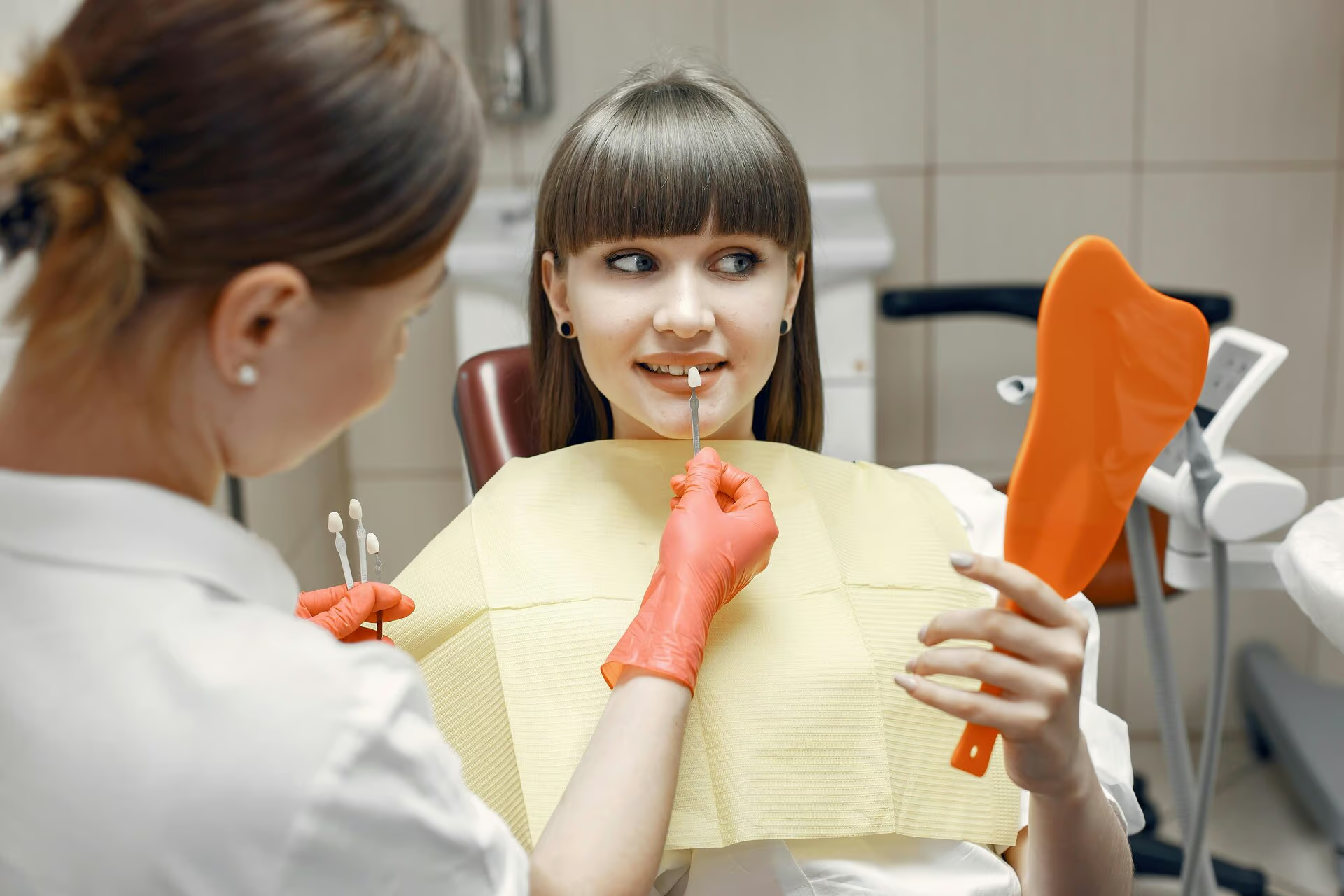


Smiling patient in a dental chair checking her teeth in a hand mirror
Your family's dental home

Veneers in Bartonville: What They Fix, What They Don't, and How the Process Works

Smiling patient in a dental chair checking her teeth in a hand mirror
The short answer
Reviewed by our
Bartonville
doctors.
Dr. Landall Cormier, dentist at Associates in Dentistry in Bartonville
Dr. Jessica Dean, dentist at Associates in Dentistry in Bartonville

Veneers are thin shells bonded to the front of your teeth. They work best on chipped edges, small gaps, crowding that's mild, and stains that whitening can't budge. They don't fix a bad bite, gum disease, or a tooth that's already broken down and needs a crown.

01

Chips, Gaps, and Stains: What Veneers Fix

Most people who ask us about veneers are looking at the same six or eight teeth. The ones that show when you smile. That's the sweet spot.

This is part of Cosmetic Dentistry in Bartonville. Care is provided at our Bartonville office by Dr. Landall Cormier and Dr. Jessica Dean.

Here's what we see over and over. A chipped front edge from a fall years ago. Two teeth that don't match because one darkened after an old injury. A little gap that was fine at 19 and bugs you at 45. Teeth worn short and flat from grinding. And deep gray or brown staining from the inside of the tooth, the kind professional whitening never touches, because the color isn't on the surface at all.

Veneers handle all of that well. They change shape, length, and color at the same time, which is why one treatment can fix problems that would otherwise need three.

But there's a real list of things veneers don't fix, and you deserve to hear it straight.

  • A tooth with a large old filling or a crack through the biting surface. That tooth needs a crown, not a veneer.
  • Active gum inflammation or bleeding. Gums have to be healthy first or the margins will look wrong in a year.
  • Heavy clenching and grinding with jaw pain. We'd want to look at TMJ/TMD treatment before we bond anything porcelain to a front tooth.
  • Significant crowding or an overbite. Clear aligners move teeth. Veneers only cover them, and covering crooked teeth usually means removing more enamel than we'd like.

Not sure which camp you're in? That's the whole point of the first visit. We look, we take photos, and sometimes the honest answer is whitening and a little cosmetic bonding instead, done in one appointment for a fraction of the commitment.

02

When Veneers Are Not the Right Choice

Sometimes the honest answer is no. Veneers cover the front of a tooth. They don't fix what's happening underneath it, and putting a beautiful surface over an unstable foundation is how people end up starting over in three years.

Here's where we usually pump the brakes.

  • Active gum disease or bleeding gums. Gums have to be healthy and stable first. Laser gum treatment often comes before any cosmetic work.
  • Decay or a cracked tooth. A tooth that needs a root canal or a crown needs that handled first. A veneer isn't strong enough to hold a compromised tooth together.
  • Heavy grinding or clenching. If you're wearing your teeth down at night, porcelain will chip too. TMJ/TMD treatment and a night guard come first.
  • Crowding or a bad bite. Straightening teeth with clear aligners sometimes gets you most of the way there without touching enamel at all.
  • Staining that whitening can fix. If the shape is fine and the color is the only complaint, professional whitening is cheaper and takes nothing off the tooth.

That last one comes up more than you'd think. Somebody comes in convinced they need eight veneers, and after a whitening visit they're happy. We'd rather tell you that than sell you something.

There's also the enamel question. Most veneers need a thin layer of tooth removed, and that layer doesn't grow back. It's a permanent decision. If you're 24 and not sure what you want yet, waiting is a fine answer. Cosmetic bonding can close a small gap or fix a chipped corner without that commitment, and it's reversible.

Not sure which camp you're in? That's normal, and it's exactly what an exam sorts out. Dr. Cormier and Dr. Dean see both kinds of cases here in Bartonville every week, and part of the visit is figuring out whether veneers are even the right tool.

03

The Veneer Process from Consult to Final Fit

Most people picture veneers as one appointment. It's really a series of small decisions, and you're part of every one of them.

Here's how it usually goes in our office.

  • Consult and records. We look at your bite, your gum line, and how much tooth shows when you smile and talk. Photos and scans get taken. We also check for grinding wear, because that changes the plan.
  • Design and preview. We map out shape, length, and shade together. You see the proposed smile before anything touches your teeth. This is the visit where changes are cheap and easy.
  • Preparation. A thin layer of enamel comes off the front of each tooth so the veneer sits flush instead of bulky. How thin depends on your starting tooth position.
  • Temporaries. You wear a set of provisionals that match the approved design. Eat with them. Talk with them. Look at them in your own bathroom mirror, not just our chair light.
  • Bonding. The final veneers get checked for fit and color, then bonded one at a time. We adjust the bite before you leave.
  • Follow-up. A short check a week or two later to confirm your bite feels even and your gums have settled.

The temporary stage does more work than people expect. Nine times out of ten, the tweaks patients ask for come from living with the temps for a few days, a little shorter, a little less round at the corners.

And that's the point. By the time we bond the real ones, nothing about the result should surprise you. We have an in-house mill here, so a lot of the small adjustments happen the same day instead of waiting on a mailed-out remake.

Two to three visits for most cases, spread over a few weeks.

Wondering if veneers are right for your smile?
04

Caring for Veneers After Placement

Here's the part people worry about most. They picture years of tiptoeing around their own teeth. That's not how it goes. Porcelain doesn't stain the way natural enamel does, and it doesn't need special polish or a separate routine. But the tooth underneath is still yours, and the gumline where the veneer meets the tooth is still yours too. That's where problems start if brushing gets lazy.

So the care plan is boring on purpose. Brush twice a day with a soft brush. Floss every night, especially between the veneered teeth. Keep your cleaning appointments. We check the margins at every visit and catch small wear before it turns into a remake.

Grinding is the one thing that ends veneers early. We see it every single week, usually in folks who swear they don't grind. Their partner says otherwise. If you clench at night, a nightguard isn't optional, it's the thing protecting your investment while you sleep. Patients already being treated for sleep and airway issues at our office often fall into this group, and we'd rather sort that out before the porcelain goes on than after.

A few habits worth dropping:

  • Chewing ice, pen caps, or fingernails
  • Opening packages or bottles with your teeth
  • Biting hard crusty bread or apples straight on with the front teeth
  • Skipping the nightguard because it's in the drawer

Whitening is worth mentioning. Porcelain won't lighten, so if you ever whiten your natural teeth later, the shade can drift apart. We usually whiten first, then match the veneers to the brighter shade. It's a small planning step that saves a lot of frustration down the road.

Take care of them like regular teeth, and they'll behave like regular teeth for a long time.

05

How Veneer Pricing Works and What Drives Cost

Veneers are priced per tooth. Not per smile. That's the first thing worth knowing, because a quote for eight teeth and a quote for two teeth aren't the same conversation. Most people who come in thinking they want a full set end up doing fewer teeth than they expected once we look at what shows when they smile.

So what moves the number up or down?

  • Material. Porcelain costs more than composite bonding and lasts longer. Bonding is done in one visit and can be reshaped later.
  • How many teeth you're treating, and whether they need to match existing crowns or fillings.
  • Prep work first. Active decay, gum inflammation, or a cracked tooth gets handled before any veneer goes on. That's separate treatment.
  • Bite issues. If you grind, you may need a night guard, and that's its own cost.
  • Lab time versus in-house fabrication. Practices with a mill on site handle some cases differently than those sending every case out.

Here's the part nobody likes hearing. Dental insurance treats veneers as cosmetic, so plans almost never cover them. If a tooth is broken or worn down enough that the work is restorative, some portion may be considered, but don't plan on it. We'll tell you upfront which side of that line your case falls on.

Our practice moved to a fee-for-service model in August 2024. We still bill most insurance, we're just not in-network with any plan. For cosmetic work that distinction matters less than people think, since coverage wasn't coming anyway. CareCredit and 0% interest payment plans up to six months are available if you'd rather spread it out.

Before you commit anywhere, ask three things. What material, how many teeth, and what has to be fixed first. A practice that can't answer all three in one sitting hasn't looked closely enough.

FAQ

Answers to the most common questions.

Something else on your mind?
Call us at (309) 697-2228.

How long do veneers take from start to finish in Bartonville?

Most cases take two to three visits spread over a few weeks. The first visit covers your consult, photos, and a preview of your new smile shape. Next comes preparation and temporaries, which you wear for a week or two so we can fine-tune the design. Because we have an in-house mill, small adjustments often happen the same day instead of waiting on an outside lab. The final bonding visit is usually quick.

Can veneers fix crooked teeth or a bad bite?

No, veneers only cover teeth, they don't move them. If you have significant crowding or an overbite, covering it with porcelain usually means removing more enamel than we'd like. Clear aligners are a better fit for straightening. We check your bite at the first visit, and if crowding is the main issue, we'll tell you before recommending veneers as the solution.

Will I need to change how I care for my teeth after getting veneers?

Not much changes day to day. Porcelain resists staining better than natural enamel and doesn't need a special routine. But the tooth underneath is still yours, and so is the gumline where the veneer meets the tooth. Keeping that area clean with regular brushing and flossing matters more than ever, since problems usually start at that edge, not on the porcelain itself.

What if I have grinding or clenching problems in Bartonville?

Heavy grinding needs to be addressed before we bond veneers, or the porcelain can chip just like natural teeth do. We look for wear patterns at your first visit and often recommend TMJ/TMD treatment and a night guard first. Once that's under control, veneers hold up much better long term. Skipping this step is one of the most common reasons people end up redoing cosmetic work early.

Do veneers work on teeth with old fillings or cracks?

Usually not. A tooth with a large old filling or a crack through the biting surface needs a crown, not a veneer, because a veneer isn't strong enough to hold a compromised tooth together. Decay has to be treated first too. Dr. Cormier and Dr. Dean check each tooth individually during your exam here in Bartonville, since the right fix depends on what's happening underneath.

How do I know if I need veneers or just professional whitening?

If your tooth shape is fine and staining is the only complaint, whitening is often the simpler answer. We see this often: someone comes in expecting to need eight veneers, then leaves happy after a whitening visit instead. Deep gray or brown staining from inside the tooth won't respond to whitening, though, and that's usually where veneers make more sense. An exam sorts out which camp you're in.

Request an appointment

Call us at (309) 697-2228

Tell Us About Yourself

Are you new to Associates in Dentistry?

Preferred Day and Time (optional)
Thank you! Your submission has been received!

That didn't go through. Please try again, or call your office.
