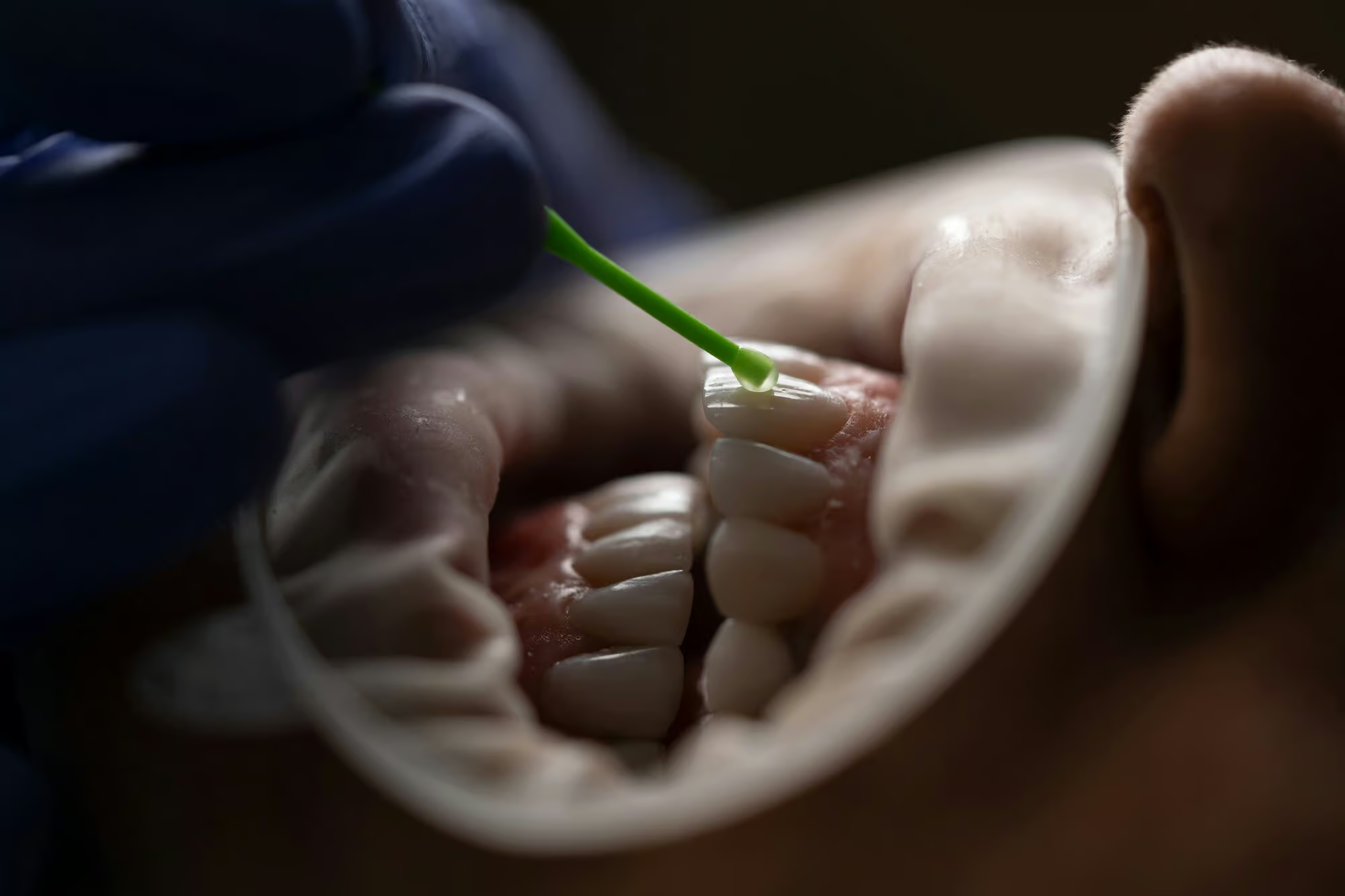

Whitening gel being applied to a patient's teeth with a cheek retractor in place
Your family's dental home

Teeth Whitening in Canton: Will It Work for Your Smile?

Whitening gel being applied to a patient's teeth with a cheek retractor in place
The short answer
Reviewed by our
Canton
doctors.
Dr. Aaron Thum, dentist at Associates in Dentistry in Canton

Teeth Whitening in Canton starts with a practical question: what part of your smile are you hoping to change? An exam can help you understand whether whitening is a good fit before you count on a result it can't deliver.

01

Teeth Whitening Candidacy Starts With a Simple Exam

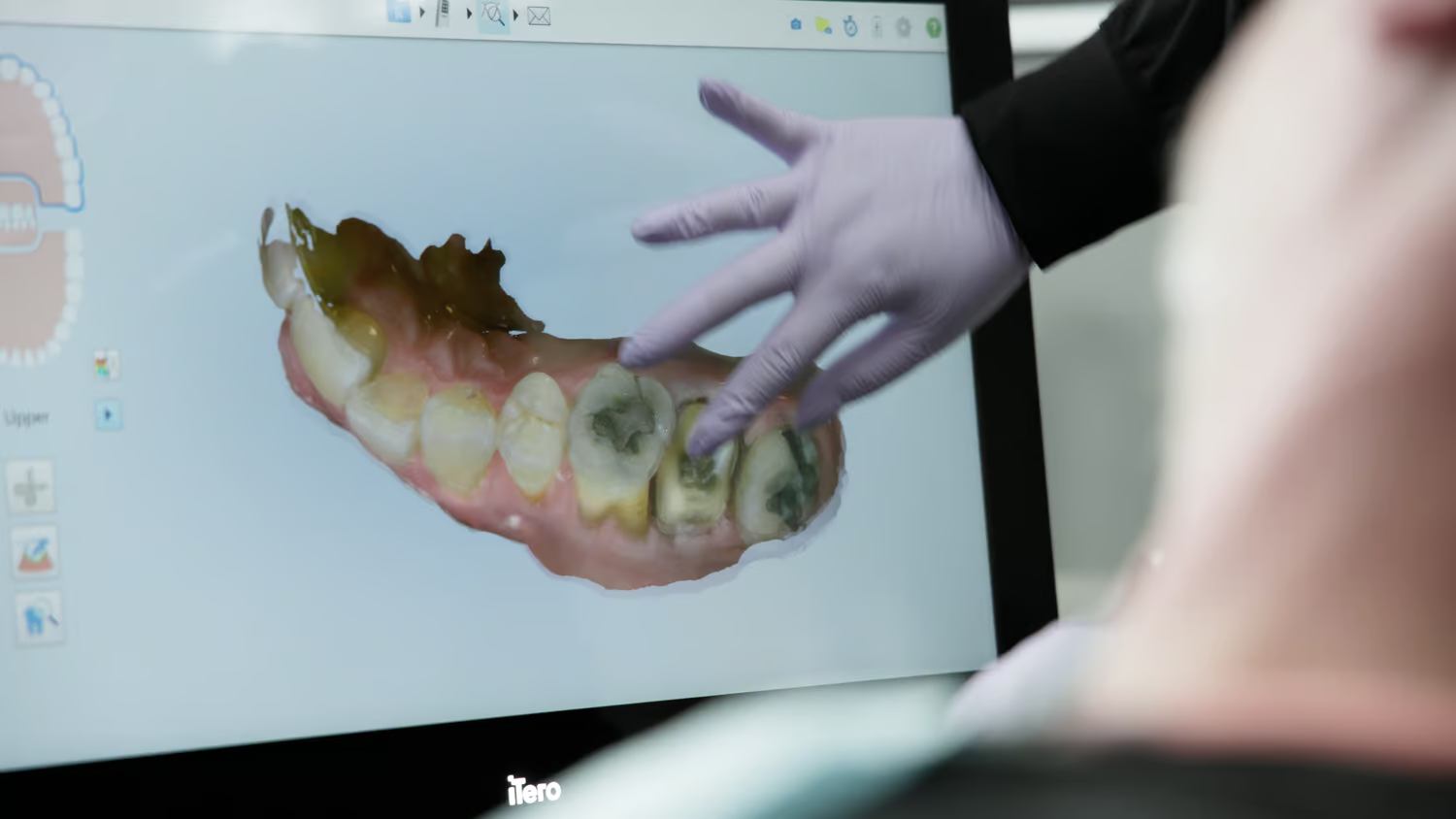
You might notice that your teeth look dull in photos, or that one tooth looks darker than the ones beside it. Those aren't necessarily the same problem. Whitening can lighten natural teeth, but it won't change the color of a crown, filling, veneer, or bonding. If you have dental work near the front of your mouth, that's worth knowing before you decide to whiten.

An exam gives you a chance to talk through what you're seeing rather than guessing from the mirror. Is the color change spread across several teeth, or is it limited to one spot? Do you have dental work that already matches your current tooth color? The answers can shape what a result would look like. Your natural teeth may get lighter while nearby dental work stays the same shade.

It also helps to be clear about what bothers you most. If your main concern is the color of a crown, whitening the teeth around it won't lighten the crown. If a small area looks different from the rest of a tooth, don't assume whitening will make everything even. These are good reasons to ask about your options before choosing a shade you hope to reach.

You don't need to know dental terms to have that conversation. Tell us which teeth catch your eye, whether the color has changed, and what you'd like to look different. Bring up any crowns, fillings, veneers, or bonding you know about, especially if they're visible when you smile. That gives the discussion a useful starting point and helps you ask a more useful question than simply, “Will my teeth get whiter?”

Associates in Dentistry offers both dental exams and teeth whitening at 336 N Main St in Canton. Dr. Aaron Thum practices at this office and was born and raised in Canton. If you're unsure whether whitening makes sense for your smile, an exam is a reasonable first step. The goal is to know what can change and what may stay the same, so you can decide with a clear picture of the result you're seeking.
02

Crowns, Veneers, and Bonding Will Not Whiten

Where the dental work sits matters as much as whether you have it. A crown on a back tooth may not affect how your smile looks to you. Bonding on a front tooth may be the first thing you notice if the teeth beside it get lighter. The question isn't just, “Do I have dental work?” It's, “Will I mind if that part stays the same color?”

Picture a front crown that blends in well today. If the natural teeth beside it lighten, the crown may stand out even though nothing about the crown has changed. The same concern can come up with a veneer or a larger area of bonding. A small bit of bonding near the edge of a tooth may be less noticeable. It depends on where it is, how much of it shows when you smile, and how different the colors look.

That doesn't mean dental work rules out whitening. You might be happy to brighten several natural teeth even if one restored tooth stays as it is. Or an even match might matter more to you than getting a lighter shade. Both are reasonable goals, but they point to different decisions. Before you spend time trying to get every tooth to match, be clear about which result would make you happy.

Cosmetic dentistry in Canton includes veneers and cosmetic bonding, which address the look of a tooth in ways whitening can't. That doesn't mean you need either one because you have a crown or an old repair. It means whitening isn't the answer to every color difference. If the tooth that bothers you most is covered by dental work, focus the conversation on that tooth rather than assuming brighter surrounding teeth will solve the problem.

It can help to describe the mismatch in everyday terms: “This tooth looks darker when I smile,” or “The repair blends in now, and I don't want it to stand out.” You don't have to pick a treatment or a shade on your own. You just need to know whether you'd welcome a change in your natural teeth if the dental work kept its current color. That's a useful way to decide if whitening fits what you want.

03

What to Expect Before and After Whitening

Before you choose whitening, think about what would feel like a good result to you. Some people want to take the dullness out of their smile. Others have a much lighter shade in mind. Those goals aren't the same, and whitening can't promise an exact shade. Your starting tooth color and the kind of discoloration you have both affect how much change you may see.

You also don't have to choose a whitening method before asking about it. Find out which approach is available, how long it takes, and what you'd need to do. Ask about the full cost before you decide. Whitening plans can differ in the number of applications and in whether you do any part of them at home. That matters if you're trying to plan around work, travel, or an event. It also gives you a clearer way to judge whether the effort fits the change you're hoping for.

After whitening, look at the whole smile rather than judging one tooth in isolation. Natural teeth may not all lighten to exactly the same shade, and existing dental work will keep its color. If you've already talked through any visible crowns or bonding, you'll have a better idea of what you're looking at. You can then decide whether the overall change feels right to you, even if it isn't perfectly uniform.

The change won't necessarily stay the same over time. Coffee, tea, and tobacco can stain teeth, and everyday habits vary from person to person. There isn't one honest answer to how long a brighter shade will last for everyone. If you drink coffee every morning, for example, that's worth mentioning when you ask what kind of upkeep might be involved. You shouldn't have to guess whether whitening is a one-time choice or something you may want to revisit later.

Keep your decision tied to the thing you want to change. If several natural teeth look dull, whitening may be worth considering. If one tooth draws your eye, the answer may depend on why it looks different. Dr. Aaron Thum practices at Associates in Dentistry's office at 336 N Main St. When you talk about whitening, tell him what you'd notice in the mirror if it worked for you. That's a more useful starting point than trying to name a shade or predict the result yourself.

Ready for a brighter shade, done the right way?
04

Treat Decay or Gum Disease Before Whitening

If you know you have decay or gum disease, deal with that before deciding on whitening. A whiter tooth can still have a cavity, and a brighter smile won't make gum disease go away. You don't have to give up on the look you want. It just helps to separate two decisions: what needs attention for your health, and what you'd like to change about your tooth color.

Say you've been thinking about whitening for photos, but you also know a tooth needs a filling. It's tempting to focus on the date on your calendar and leave the other issue for later. Whitening won't take care of that tooth, though. Make the filling the first conversation. Once you understand what the tooth needs, you can decide whether whitening still fits your plans.

The same goes for gum disease. You might be unhappy with the shade of your teeth and also know your gums need care. Those concerns can both matter, but they aren't solved by the same thing. Don't feel you have to sort out every cosmetic choice at once. Getting a clear answer about your gums gives you a better place to start than choosing whitening while that question is still open.

If you aren't sure whether there's a problem, you don't need to diagnose it yourself. You can say what you've noticed and ask whether anything needs attention before whitening. That keeps the conversation grounded in your own teeth, rather than in a general promise about how much lighter they could look. It also leaves room for a simple answer if there isn't a health issue standing in the way.

There isn't a prize for whitening first. If something needs treatment, giving it priority doesn't make your wish for a brighter smile any less reasonable. It means you're making the cosmetic choice with a clearer picture of your dental health. And if you're weighing your time or budget, knowing which concern comes first can help you make a plan you feel comfortable with.

05

How Teeth Whitening Pricing Works

The price of teeth whitening depends on what you're paying for. One quote may cover a single treatment. Another may cover a plan with more than one application or supplies you'll use later. Neither number tells you much until you know what's included. At Associates in Dentistry, we offer teeth whitening at our office, but no price is listed here. Ask for the cost of the option you're considering before you commit.

Start with the total, not just the number you see first. Ask whether the quoted amount covers the whole whitening plan or only its first part. If you might need more applications to work toward your goal, find out whether those would cost extra. It's also fair to ask whether any supplies for use at home are included and whether replacing them later would be a separate expense. You don't need to choose based on the lowest starting number if it leaves out something you'll want.

Keep other dental costs separate in your mind. If you choose to have a dental exam or cleaning, ask whether it's part of the whitening quote or billed on its own. The same goes for dental work you may decide to have before whitening. A clear estimate should let you tell which amount is for the change in tooth color and which amount is for a different service. That way, you can plan without mistaking the cost of one visit for the cost of the whole decision.

If you plan to use insurance, ask what you'd owe rather than assuming whitening is covered. Associates in Dentistry accepts and bills most insurance plans, but that fact alone doesn't tell you what your plan will pay for this service. Ask what information you need from your insurer and when payment would be due. Getting those answers before you book is easier than trying to sort them out afterward.

You can keep the conversation simple: “What's included in this price, and what could cost more?” Tell us whether you're aiming for a modest change or planning around a particular date, so you can ask about a cost that fits the option you're considering. You don't have to settle on a shade to ask for a clear number. Contact Associates in Dentistry at 336 N Main St in Canton to discuss whitening options and their full cost before you decide.

FAQ

Answers to the most common questions.

Something else on your mind?
Call us at (309) 647-3331.

Why do my teeth look yellow?

Teeth can become darker or more yellow over time due to natural changes, aging and staining from foods and drinks. A dental exam can help determine what's causing the discoloration.

Is a stronger whitening treatment always better?

Not necessarily. The right whitening approach depends on your teeth, your sensitivity and the type of discoloration you're trying to treat. Your dentist can help determine which option is appropriate.

Will whitening change the color of crowns, veneers or bonding?

No. Whitening changes the color of natural teeth but does not lighten existing crowns, veneers or composite bonding.

Can teeth whitening cause sensitivity?

Temporary sensitivity is common with whitening and usually goes away after treatment. Let us know if you already have sensitive teeth so we can discuss your options.

Should I have an exam before whitening?

Yes. An exam can identify cavities, gum problems, cracks or other issues that may need to be treated before whitening.

How long do teeth-whitening results last?

Results can last for a long time, but teeth can gradually pick up new stains from coffee, tea, red wine and tobacco. Touch-up treatments can help maintain the results.

Request an appointment

Call us at (309) 647-3331

Tell Us About Yourself

Are you new to Associates in Dentistry?

Preferred Day and Time (optional)
Thank you! Your submission has been received!

That didn't go through. Please try again, or call your office.