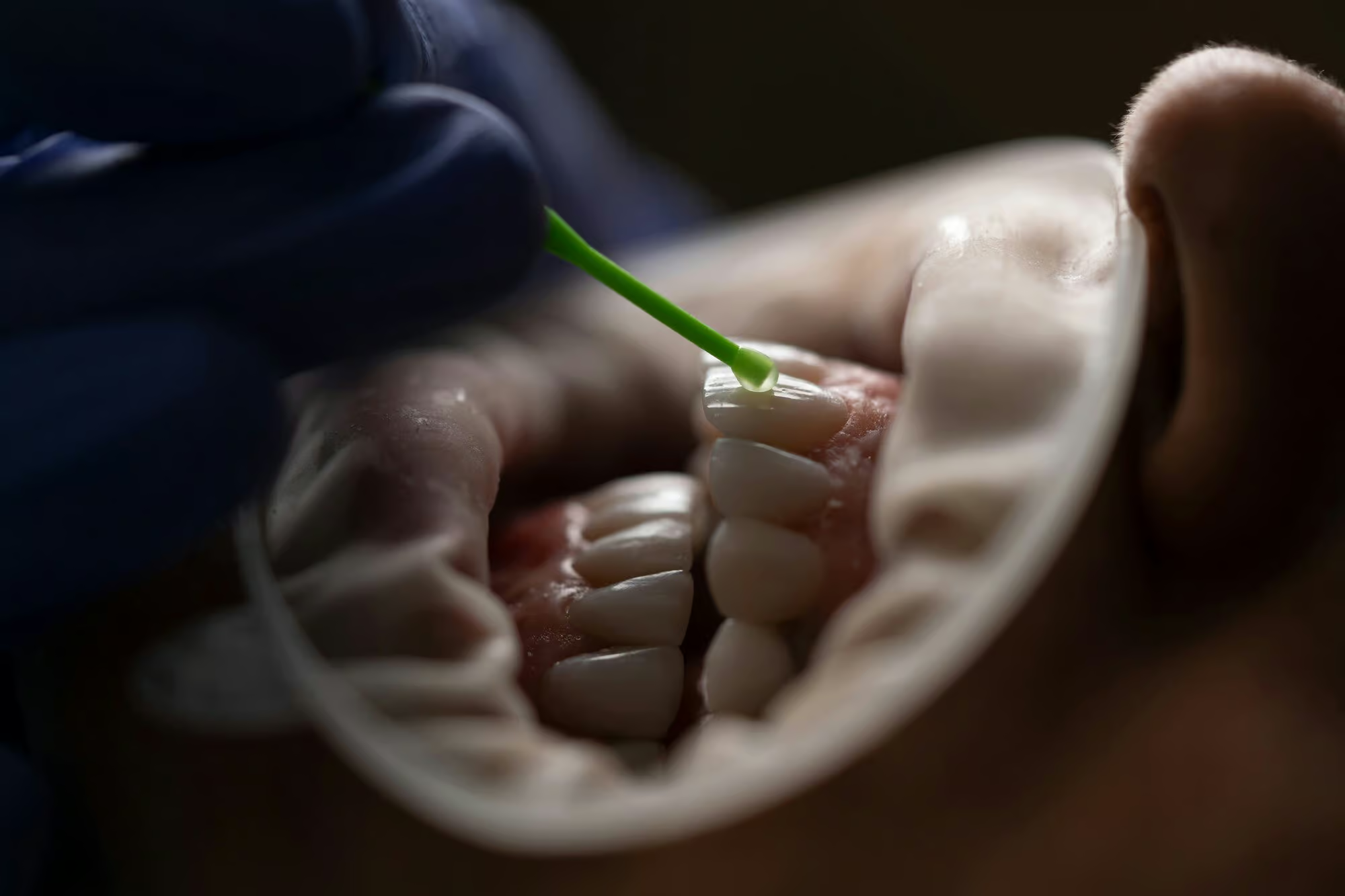


Whitening gel being applied to a patient's teeth with a cheek retractor in place
Your family's dental home

Teeth Whitening in Bartonville: Why the Right Approach Matters More Than the Strength

Whitening gel being applied to a patient's teeth with a cheek retractor in place
The short answer
Reviewed by our
Bartonville
doctors.
Dr. Landall Cormier, dentist at Associates in Dentistry in Bartonville
Dr. Jessica Dean, dentist at Associates in Dentistry in Bartonville

Teeth darken two different ways. Surface stains sit on the enamel from coffee, tea, red wine, and tobacco, and those respond well to whitening. Deeper color changes come from aging enamel, old fillings, trauma, or certain medications taken in childhood, and those behave very differently.

01

Yellowing, Staining, and Why Teeth Darken Over Time

Most people blame coffee. And coffee is part of it. But it's rarely the whole story.

Enamel is the white outer layer of your tooth. Under it sits dentin, which is naturally yellow. Enamel thins as you age. So the yellow underneath starts showing through more each year, even if you've never missed a cleaning. That's why a patient in their fifties with great habits can still look duller than they did at thirty.

Surface stain is the easier problem. Tannins from coffee, tea, and red wine cling to the enamel. So do the pigments in tomato sauce, berries, and curry. Tobacco is the toughest of the bunch. These stains sit on top, and whitening gel lifts them well.

Internal discoloration is a different animal. A tooth that took a hit years ago can gray from the inside. Tetracycline exposure during childhood leaves banding that gel won't touch evenly. Old composite fillings and crowns don't bleach at all, they stay exactly the shade they were made.

  • Gradual all-over yellowing, usually thinning enamel plus diet
  • Brown or gray patches on one tooth, often old trauma or a dead nerve
  • Horizontal bands or streaks, often medication related
  • Dark edges near the gumline, sometimes stain, sometimes decay

That last one matters. We see folks every week who want whitening and have a cavity hiding at the gumline. Whitening over decay hurts, and it doesn't fix the color. So we look first, always.
02

Professional Whitening vs. Over-the-Counter Strips

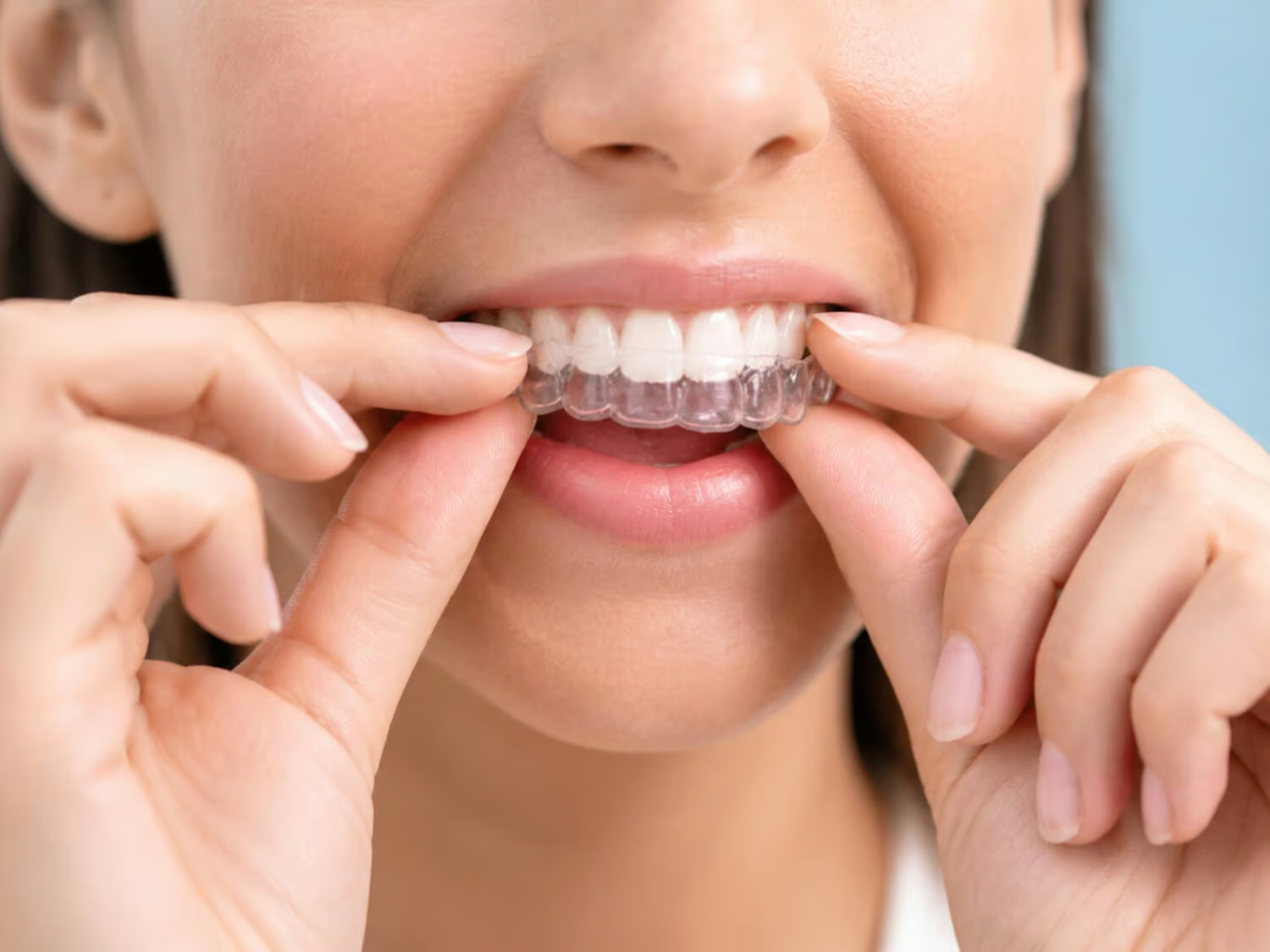
Strips aren't a scam. Let's get that out of the way first. They use the same family of bleaching agents we use, just at a much lower strength. If your teeth are mildly dull from coffee and you've got healthy gums, a box of strips might get you where you want to go. We tell people that, and we mean it.

But here's where strips run out of road. They're one shape for every mouth. Your teeth aren't flat, they curve and crowd and overlap, so the gel pools in some spots and skips others. That's why so many folks end up with a bright front and shadowy edges near the gumline. And when the strip slides off the tooth onto soft tissue, you get that burning feeling that makes people quit on day four.

Professional whitening solves a different set of problems.

  • Trays molded to your actual teeth, so gel sits where it belongs and stays off your gums
  • Stronger gel, monitored, with a plan for how long you wear it and when to stop
  • An exam first, so we catch a cracked filling or exposed root before bleach ever touches it
  • Adjustments partway through if one tooth is lagging behind the others

That exam matters more than people expect. Bleaching gel finds every weak spot you didn't know you had. A hairline crack, a worn spot near the gumline, an old filling that's pulled away slightly. Strips will find those too, they just won't warn you first.

So who should skip the professional route? If you've never tried anything and your staining is light, start cheap. Really. Run a box of strips, see what happens, then come talk to us if you stall out. We'd rather you spend a little and learn something than spend more and feel oversold.

Where strips almost always fall short: tetracycline banding, deep gray tones, single dark teeth after an old injury. Those need a different approach entirely.

03

When Whitening Won't Work: Crowns, Veneers, and Bonding

Here's the part nobody likes hearing. Whitening gel doesn't touch dental work. Crowns, veneers, bonding, tooth-colored fillings, none of them change color when you whiten. They're porcelain or composite. The gel only lifts stain out of natural tooth structure.

So if you've got a crown on a front tooth, whitening the teeth around it will make that crown look darker by comparison. It didn't change. Everything else did. We see this every single week, and it's almost always a surprise to the patient.

Same story with old bonding along the gumline. You whiten, the tooth brightens, and suddenly that patch you forgot about stands out.

That doesn't mean whitening is off the table. It means the order matters. If you want a new crown or veneer anyway, whiten first, wait a couple weeks for the shade to settle, then match the new work to your brighter teeth. Do it backwards and you've locked in your old color permanently.

A few other things whitening won't fix:

  • Gray or banded staining from tetracycline taken in childhood. It sits deep in the tooth and barely budges.
  • White spots from fluorosis. Whitening the tooth around them can make them more obvious at first.
  • A single dark tooth after old trauma or a root canal. That one usually needs internal bleaching or a different approach entirely.
  • Stain sitting on plaque and tartar. That's a cleaning, not a whitening case.

This is why we look before we quote anything. Dr. Cormier and Dr. Dean check what's natural tooth and what's restoration first. Sometimes the honest answer is that whitening gets you a small change and you'd be happier with veneers or bonding. Sometimes it's that your teeth are already fine and a cleaning does the job. We'd rather tell you that up front than take your money for a result that can't happen.

Ready for a brighter shade, done the right way?
04

Preparing for a Whitening Visit

Good whitening starts before the gel ever touches a tooth. The mouth has to be healthy first. That means a cleaning, an exam, and a look at anything that might sting once the gel goes on. Plaque and tartar block the gel from reaching enamel evenly. Whiten over that buildup and you get a patchy result that shows up the second you smile.

We check for cavities, cracks, worn spots near the gumline, and receding gums. Any of those turn a comfortable appointment into an uncomfortable one. Fix them first, whiten after.

Here's what we ask patients to do in the two weeks leading up:

  • Get your cleaning and exam done first, ideally within a few weeks of the whitening visit.
  • Switch to a sensitivity toothpaste with potassium nitrate about two weeks out. This one step does more for comfort than anything else.
  • Tell us about any existing crowns, veneers, bonding, or fillings on your front teeth. Those won't change color, and we'll plan around that.
  • Skip whitening strips or over-the-counter kits in the days before. Doubling up just irritates the gums.
  • Come in hydrated and eat something first. You'll be more comfortable sitting still.

The day of, plan for the dark food pause afterward. Coffee, tea, red wine, soy sauce, berries, tomato sauce. Enamel is more porous for roughly 48 hours, and it soaks up color faster than usual. We call it the white diet, and yes, people do grumble about giving up their morning coffee for two days.

One more thing worth saying out loud. If you're pregnant or nursing, we hold off. Not because we know it's harmful, but because there isn't enough research to say it's fine, so we wait.

And if you're whitening for a wedding or a photo, build in time. Three weeks before the date, not three days.

05

Managing Sensitivity During and After Treatment

Let's talk about the part nobody likes. Sensitivity is the most common side effect of teeth whitening, and it catches people off guard. You finish a session, everything feels fine, then you sip cold water three hours later and get a quick zing. That's normal. It's not damage.

Here's what's happening. Whitening gel moves through the enamel and reaches the layer underneath, which has tiny tubes running toward the nerve. Temperature changes travel those tubes faster while the gel is doing its work. The feeling fades on its own, usually within a day or two after you stop.

But some folks get hit harder than others. Exposed roots near the gumline, old fillings with worn edges, small cracks, recent gum recession, all of that changes how much you feel. We check for those things before we hand you a single syringe of gel. Nine times out of ten, the people who tell us whitening hurt them were using a one-size tray that let gel spill onto the gums.

There's a lot you can do to stay comfortable.

  • Start brushing with a potassium nitrate sensitivity toothpaste a week or two before you begin, not after the zings start.
  • Shorten your wear time instead of pushing through. Forty-five minutes every other night beats two hours nightly for a sensitive mouth.
  • Skip very hot and very cold drinks for about 48 hours after each session.
  • Ask us about a desensitizing gel to wear in your tray on off nights.
  • Stop for three or four days if the ache lingers, then restart at a lower dose. You won't lose your progress.

Sharp pain in one specific tooth is different. That's not whitening sensitivity, that's a signal, and it deserves a look before you go any further.

FAQ

Answers to the most common questions.

Something else on your mind?
Call us at (309) 697-2228.

Why won't whitening work on my crown or veneer?

Whitening gel only changes the color of natural tooth enamel, not porcelain or composite. Crowns, veneers, and bonded fillings stay the exact shade they were made in. This means whitening the teeth around them can make dental work look darker by comparison. If you plan on getting new dental work, whiten first and wait a couple weeks for your shade to settle. Then match the new work to your brighter smile.

Why do my teeth look darker even though I take care of them?

Your enamel naturally thins with age, letting the yellow dentin underneath show through more. This happens even with great brushing habits and regular cleanings. That's why someone in their fifties can look duller than they did at thirty, without doing anything wrong. Surface stains from coffee, tea, and wine add to this, but thinning enamel is often the bigger factor. We check which cause applies before recommending any treatment.

Should I try whitening strips before booking a professional visit?

If your staining is light and your gums are healthy, strips are worth trying first. They use the same bleaching agents we use, just at a lower strength. Strips work best on mild, even, surface stains from everyday drinks. But they're one shape for every mouth, so gel often pools unevenly or slips onto your gums. Come see us if you stall out or notice uneven results near the gumline.

Can whitening fix dark or gray patches on one tooth?

Usually not with regular whitening gel. A single dark tooth after old trauma or a root canal often needs internal bleaching or a different approach entirely. Gray banding from childhood medication exposure also sits deep in the tooth and barely responds to gel. We look at your teeth first to figure out which type of discoloration you have. That way you know what to expect before any treatment starts.

Why do dentists in Bartonville check for cavities before whitening?

Whitening over a hidden cavity near the gumline can cause pain and won't fix the discoloration. We see this scenario every week here in Bartonville, especially with dark edges near the gumline that people mistake for stain. Bleaching gel also finds cracks, worn spots, and old fillings that have pulled away slightly. An exam first means no surprises once the gel goes on your teeth.

What happens during a professional whitening visit?

We start with a cleaning and exam to make sure your mouth is healthy before any gel touches your teeth. Plaque and tartar block the gel from reaching enamel evenly, so buildup gets removed first. Trays are molded to your actual teeth so the gel stays exactly where it belongs. Dr. Cormier and Dr. Dean check for cracks or sensitivity spots before treatment begins, so nothing catches you off guard.

Request an appointment

Call us at (309) 697-2228

Tell Us About Yourself

Are you new to Associates in Dentistry?

Preferred Day and Time (optional)
Thank you! Your submission has been received!

That didn't go through. Please try again, or call your office.