

Signs a Tooth Needs a Root Canal
Every tooth has soft tissue in the middle called the pulp. That's where the nerve and blood vessels live. When a deep cavity, a crack, or a hard knock lets germs reach that tissue, it can get inflamed or infected. Once that happens, it doesn't heal on its own very well. A root canal cleans out that tissue so you can keep the tooth instead of losing it.
Here's what that trouble often feels or looks like:
- Pain from hot or cold that hangs around for a while after the coffee or ice water is gone.
- A deep, throbbing ache that can show up on its own, sometimes keeping you up at night.
- Sharp pain or soreness when you chew or press down on one tooth.
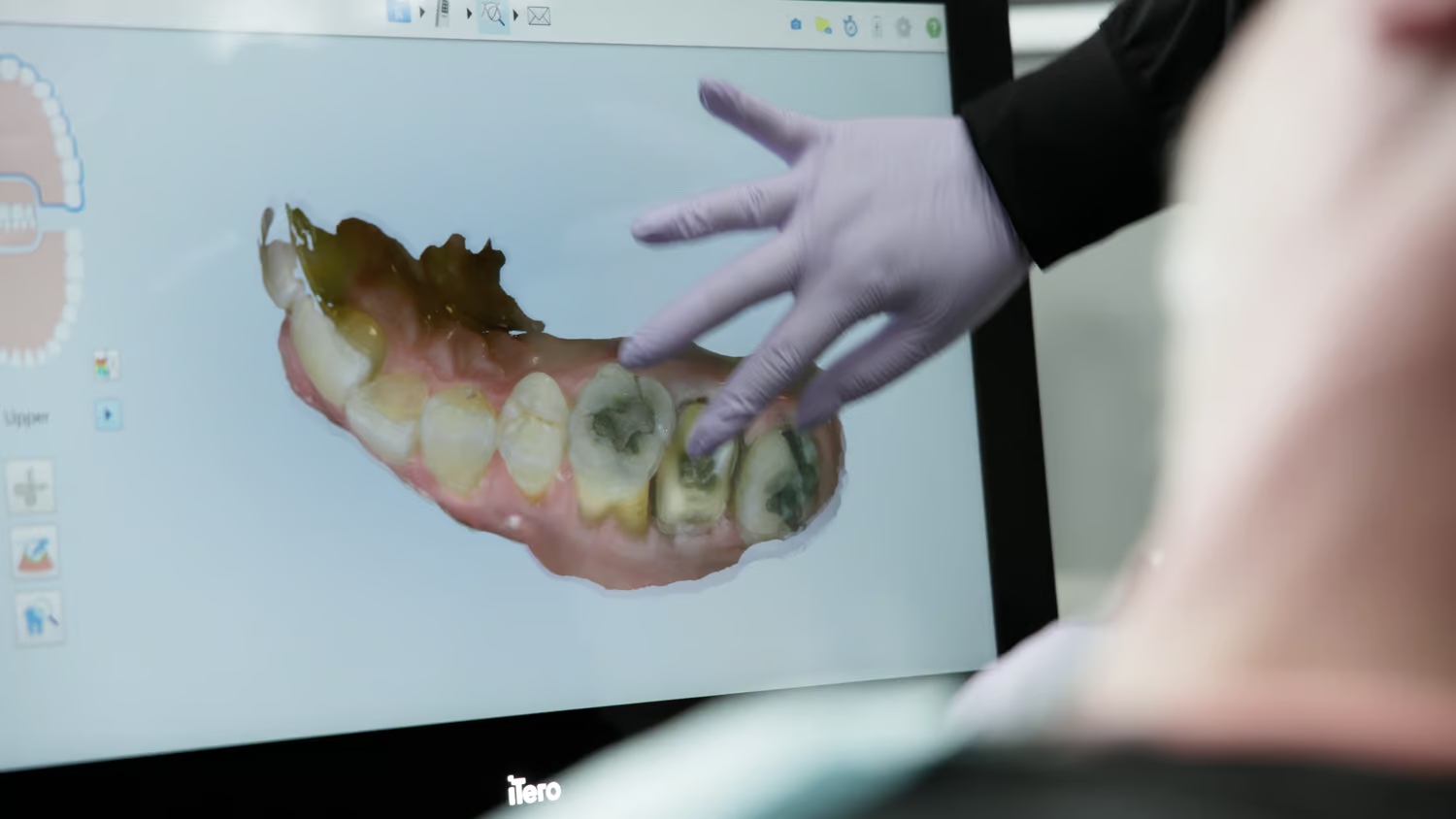
- A tooth that's turning gray or darker than the teeth around it.
- Swollen or tender gums around one tooth.
- A small bump on the gum, like a pimple, that may come and go or leave a bad taste.
- A tooth with a deep cavity, a crack, or a large old filling that has started to hurt.
The word that matters most is lingering. If cold water gives you a quick zing that's gone in a few seconds, that's often plain sensitivity, a bit of gum pulling back, or a small cavity. Those are usually fixed with something simple, like a filling or a change in toothpaste. When the pain sticks around for a minute or more, or starts without any trigger, the nerve inside is more likely involved.
Sometimes a tooth that hurt for days suddenly stops hurting. That can feel like good news. But it can also mean the nerve inside has died, and the infection may still be there. A tooth that went quiet after a rough stretch is still worth having checked.
It also works the other way. Some teeth that need a root canal don't hurt at all. The problem shows up on an X-ray or during a routine exam. That's one reason regular checkups matter. They catch trouble while the tooth can still be saved.
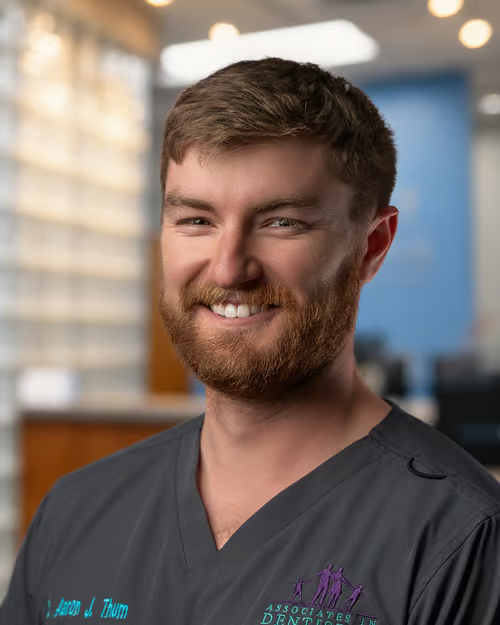
No single sign on this list proves you need a root canal. Plenty of toothaches turn out to be something smaller. The only way to know is to have the tooth looked at. In Canton, that means sitting down with Dr. Thum, who was born and raised here. He'll tell you plainly what's going on and whether a root canal is the right call or if something simpler will do.