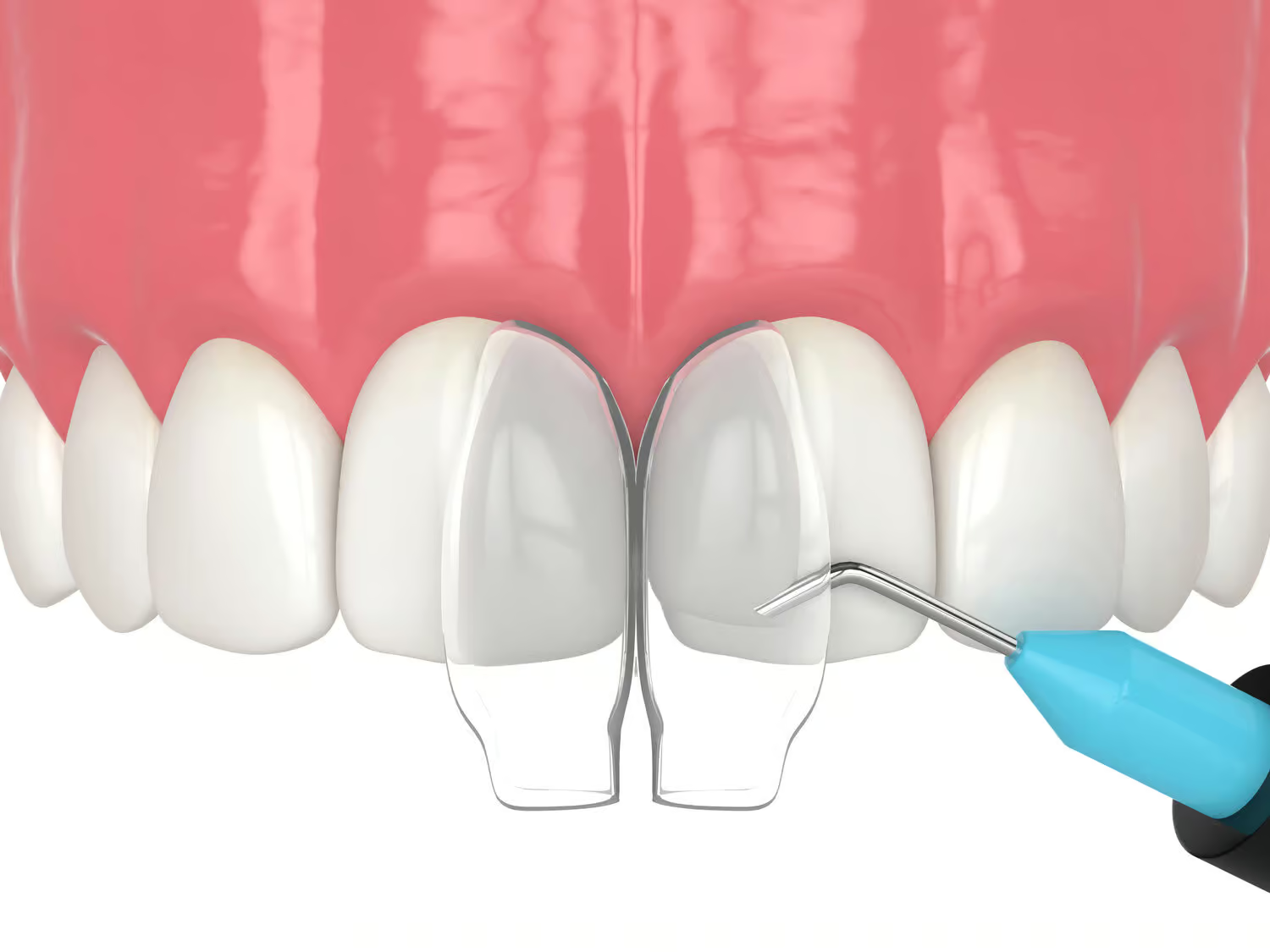

Illustration of tooth-colored bonding being applied to close a gap between front teeth
Your family's dental home

Cosmetic Bonding in Canton: Is It the Right Fix for Your Tooth?

Illustration of tooth-colored bonding being applied to close a gap between front teeth
The short answer
Reviewed by our
Canton
doctors.
Dr. Aaron Thum, dentist at Associates in Dentistry in Canton

Cosmetic bonding works best on small, visible flaws in teeth that are otherwise healthy. Think chips, small gaps, odd spots, and edges that don't line up. If the problem is large, deep, or spread across many teeth, a different treatment usually makes more sense.

01

Cosmetic Bonding Fixes These Specific Problems

Bonding uses a tooth-colored material that's shaped right onto your tooth. It's matched to your natural shade, so it blends in. Because it adds material instead of taking much away, it's a good match for problems that are small and on the surface.

Here are the kinds of things it handles well:

  • A small chip. Maybe you bit down on a popcorn kernel or caught a front tooth on a glass. The edge looks rough or a corner is missing.
  • A small gap between teeth. A narrow space between your two front teeth is a common one.
  • A tooth that's a little short or uneven. One tooth might look shorter than its neighbor, or the edges might not line up when you smile.
  • A spot that won't whiten. Some stains and white or brown marks sit deep in the tooth, and whitening doesn't touch them. Bonding can cover them.
  • A tooth with an odd shape. A tooth that's a bit narrow or slightly pointed can be reshaped so it matches the rest of your smile.

What these all have in common is size. Each one affects a small area on a tooth that's still strong underneath. That's the sweet spot for bonding.

Some problems need more than bonding can give. We'd rather tell you that up front than have you put money into a fix that won't hold up.

  • A big break or a cracked tooth. If a large part of the tooth is gone, it may need the strength of a crown.
  • Decay. A cavity needs to be treated first, usually with a filling. Bonding is about looks, not treating disease.
  • Staining across your whole smile. If all your teeth have gone yellow over time, teeth whitening is the simpler place to start.
  • Many teeth that need a new look. When you want to change the color and shape of several front teeth at once, veneers are often the better long-term choice.
  • Crooked or crowded teeth. Bonding can hide a small overlap, but clear aligners move teeth into a better spot.

One thing worth knowing: bonding material doesn't change color with whitening the way natural teeth do. If you're thinking about whitening, it usually makes sense to do it first. That way your bonding gets matched to the shade you want to keep.

It's not always easy to tell from the mirror which group your tooth falls into. A chip that looks tiny can sometimes go deeper than you'd think. A gap that bugs you might be easier to close than you expect. At our office on North Main Street, Dr. Thum is the dentist you'll see. He can look at the tooth with you and tell you plainly whether bonding is a good fit, or whether another option will serve you better.
02

When Bonding Is Not the Right Choice

Even when your tooth has the right kind of small flaw, bonding isn't always the right call. Sometimes the problem isn't the tooth. It's what that tooth goes through every day. Other times, the honest answer is to wait, or to leave it alone.

Bonding material is strong, but it isn't as tough as your natural enamel. Steady pressure can chip it or wear it down. That matters if you:

  • Grind or clench your teeth, especially at night. A sore jaw in the morning or flat, worn edges can be signs.
  • Bite your nails, chew on pens, or crunch ice.
  • Use your teeth to open bags, packages, or bottles.
  • Play contact sports without a mouthguard.

None of these rule you out by themselves. But if a bonded edge would take that kind of force day after day, it may not last the way you'd hope. It helps to mention these habits when you talk with your dentist. That way, you'll get a straight answer about whether bonding makes sense for that tooth.

Staining is another thing to think about. Bonding material can pick up stains over time more easily than enamel does. Coffee, tea, red wine, and tobacco are the usual culprits. If you have a few cups of coffee every morning or you smoke, a bonded front tooth may slowly start to look a little different from the teeth around it. It may need a touch-up or a redo sooner than you'd like.

Your gums need to be healthy first. If they bleed when you brush or look red and puffy, that needs care before any cosmetic work. Bonding near an inflamed gumline doesn't do well. Periodontal treatment can get your gums back on track, and then bonding is back on the table.

Timing matters if you're planning to straighten your teeth. If clear aligners are in your future, it's usually smarter to wait. A gap might close on its own as your teeth move. Bonding done now may not fit your smile once everything shifts.

Be honest with yourself about upkeep, too. Bonding is a great fix, but it isn't a forever fix. An edge can chip. The material can wear. Someday it may need to be repaired or replaced. If you want something you'll never have to think about again, that's worth saying out loud. As we mentioned above, veneers are often the longer-term choice when you're changing more than a spot or two.

And sometimes you don't need anything at all. Say there's a tiny chip on a front tooth that's smooth, doesn't hurt, and you only notice it when you lean into the mirror. There's no rule that says you have to fix it. Everything in cosmetic dentistry in Canton is something you choose, not something you have to do, and bonding is no different. If it doesn't bother you, it's okay to leave it be.

03

Bonding Compared to Veneers

Bonding and veneers can both change how a front tooth looks. But they get there in different ways. The main difference comes down to this. Bonding adds a little material to your tooth. Veneers cover the front of the tooth with a thin shell. That one difference shapes almost everything else, from how much tooth is touched to how long the work tends to last.

Here's how they compare on the things most people ask about:

  • Your natural tooth. Bonding usually needs little or no enamel removed. Most veneers need a thin layer of enamel taken off the front of the tooth so the shell sits flush.
  • Undoing it. Because bonding leaves your tooth mostly as it was, it can often be removed or redone later. Once enamel is removed for a veneer, that tooth will always need some kind of covering.
  • Time. Bonding is often finished in a single visit. Veneers usually take more than one, since the shells are made to fit your teeth.
  • How long it lasts. Porcelain veneers hold up longer and keep their color better. Bonding is softer and may need touch-ups sooner.
  • Repairs. A chipped bonded edge can often be patched by adding more material. A cracked veneer usually has to be replaced.

Cost works differently too. Bonding is usually the lower-cost option per tooth, because it uses less material and less chair time. Veneers cost more up front, but some people find they need less upkeep over the years. What drives the total for either one is mostly how many teeth you're treating, what material is used, and how much shaping each tooth needs. Dental insurance often treats both as cosmetic, so it's worth calling your plan before you decide. Then you'll know what, if anything, is covered.

So how do you choose? A simple way to think about it is by size and scope. One chipped corner or a small gap between your front teeth points toward bonding. It's quick, it's gentle on the tooth, and it leaves your options open. Wanting to change the color, shape, and length of six front teeth all at once points toward veneers. That's the kind of bigger change they're built for.

Picture two people. One has a front tooth that's a bit shorter than the one beside it, and it's the only thing they notice in photos. The other has teeth that look worn, uneven, and dull across their whole smile. The first person may be happy with bonding on one tooth. The second may find bonding on every tooth turns into a lot of work that won't last as long as they'd like.

Some people land in between. You might start with bonding on a tooth or two and decide on veneers years down the road. Because bonding doesn't remove much enamel, that path stays open.

Dr. Thum offers both bonding and veneers at our office. That means you'll get advice on which one fits your teeth and your goals, not a push toward the only option on the menu. Bring the tooth that bothers you and a sense of how much you want to change. He'll walk you through both choices in plain terms.

Have a chip or gap you'd like fixed in one visit?
04

What Happens During a Bonding Appointment

For most people, a bonding visit is calm and pretty quick. There's no lab and no waiting weeks for something to be made. The work is done right on your tooth, by hand, while you're in the chair. Here's what typically happens, from start to finish.

It starts with a talk. You'll point out what bugs you about the tooth, and your dentist will look closely to make sure bonding fits. This is a good time to share what you want it to look like. Do you want the chip gone so no one can tell? A gap closed all the way, or just made smaller? The clearer you are, the closer the result will be to what you picture.

Next comes picking the shade. A shade guide is held up next to your teeth to find the color that blends in best. It helps to do this in good light and with your teeth a little damp, since that's how they look when you smile. If you've been thinking about whitening, this is why it comes first, as mentioned earlier.

Then the actual bonding work begins. The basic steps usually go like this:

  • The tooth is cleaned and kept dry so the material can stick well.
  • The surface is lightly roughened. It isn't drilling in the way you might think. It just gives the material something to grip.
  • A liquid is painted on to help the material bond to your tooth.
  • The tooth-colored material is added in layers and shaped by hand to rebuild the edge, fill the gap, or smooth the spot.
  • A special light is used to harden each layer.
  • The tooth is trimmed and polished so it feels smooth and catches light like your other teeth.

Does it hurt? Most people say no. Because bonding usually takes little or no enamel off, many people don't need to be numbed at all. If the work is close to the gumline or the tooth is sensitive, numbing may be offered. If you're nervous, say so before things start. It's your visit, and it's fine to ask for breaks or to have each step explained as it happens.

How long does it take? A small fix on one tooth is often done in well under an hour. Closing a gap between two teeth, or working on a few teeth, takes longer. You'll usually get a good sense of the timing during your first talk, so you can plan your day.

Before you leave, take a good look. Smile in the mirror. Run your tongue over the edge. Bite down gently and see if anything feels high or rough. Small tweaks to the shape or bite are easy to make while you're still in the chair, and it's much better to speak up now than to go home with something that doesn't feel right.

Because the material is hardened with the light during the visit, there's no setting time to wait out once you're done. Most people head back to work or home the same day looking like themselves, just without the chip or gap that's been bugging them. In Canton, that means you can come to the North Main Street office on your lunch hour and go back to your day.

05

Caring for Bonded Teeth and How Long They Last

Bonding can look good for many years. How many depends less on the material and more on the tooth it's on and how that tooth gets used. A small patch on the side of a tooth that rarely touches anything can hold up for a long time. A bonded biting edge on a front tooth takes more wear, so it may need attention sooner.

Here's what tends to make the biggest difference:

  • Where the bonding is. Edges you bite with work harder than spots on the face of a tooth.
  • How big the repair is. A small fix usually lasts longer than a large build-up.
  • Your daily habits. The grinding, chewing, and coffee habits covered earlier all add up over time.
  • How well you look after your gums and teeth. Healthy gums around a bonded tooth help it stay looking natural.

The good news is that caring for a bonded tooth isn't much different from caring for the rest of your smile. You don't need special tools or a new routine.

  • Brush twice a day with a soft brush. Gentle is better than hard scrubbing, which can dull the polish over time.
  • Floss every day. It keeps the gumline healthy right where the bonding meets your tooth.
  • Bite into hard foods with your back teeth. Save your front teeth for softer bites when you can.
  • Wear a mouthguard for sports. It protects your natural teeth and your bonding at the same time.
  • Keep up with regular dental cleanings and exams. Your dentist can spot a worn edge early and polish away surface stains before they set in.

Pay attention to small changes, too. Maybe an edge starts to feel rough under your tongue. Or the bonded tooth looks a shade darker than its neighbors in photos. Neither one means something went wrong. It just means the bonding is showing its age, and it's worth bringing up at your next visit.

When bonding does wear, fixing it is usually simple. Since it was built onto your tooth by adding material, more can often be added to smooth a chip or freshen the color. Sometimes the old bonding is polished off and redone. Either way, you're not starting over with a big new treatment. That's part of what makes bonding a good first step. It costs less up front, and it keeps your options open.

It also helps to see the same dentist over the years. That person remembers what your tooth looked like before and knows how the repair has held up. Dr. Thum was born and raised in Canton and cares for patients at our North Main Street office, which is where Associates in Dentistry first opened its doors. If there's a chip, gap, or spot you've been meaning to ask about, he can take a look and tell you whether bonding is the right fit.

FAQ

Answers to the most common questions.

Something else on your mind?
Call us at (309) 647-3331.

What can cosmetic bonding fix?

Cosmetic bonding can improve small chips, gaps, discoloration and uneven edges. Larger or deeper changes may be better treated with a crown or veneer.

How long does a cosmetic bonding appointment take?

Bonding can often be completed in one visit. For a single tooth, the appointment may take around an hour, although the time depends on the tooth and the amount of work needed.

Does cosmetic bonding hurt?

Usually not. Bonding often doesn't require numbing, although anesthesia may be used if the tooth is sensitive or there is a cavity that needs to be treated.

How is bonding different from a veneer?

Bonding is a simpler option for smaller cosmetic changes and usually requires little or no removal of the natural tooth. Veneers can be used for larger changes or to treat several teeth and generally hold their color longer. Dr. Thum can help you compare the options based on your goals.

How long does cosmetic bonding last?

Bonding can last for years, but it can chip or stain more easily than natural enamel or porcelain. Avoiding habits such as biting your nails or chewing ice can help. Small chips can often be repaired or touched up.

Can I whiten my teeth if I have bonding?

Whitening won't change the color of existing bonding. If you're considering both treatments, it's usually better to whiten your natural teeth first so new bonding can be matched to the final shade.

Request an appointment

Call us at (309) 647-3331

Tell Us About Yourself

Are you new to Associates in Dentistry?

Preferred Day and Time (optional)
Thank you! Your submission has been received!

That didn't go through. Please try again, or call your office.