


What Cosmetic Bonding Fixes and What It Cannot
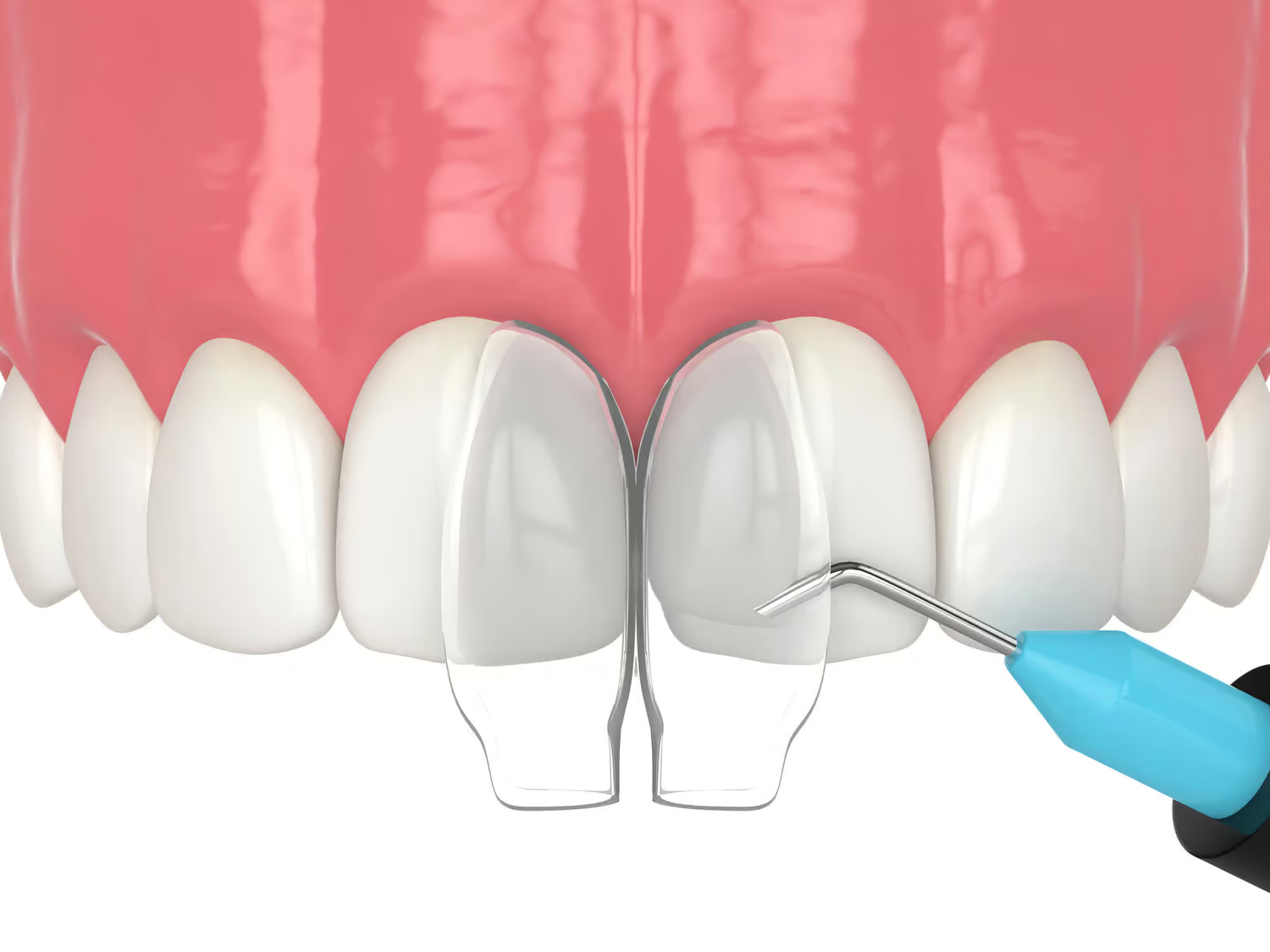
Here's the honest version. Cosmetic bonding is composite resin shaped onto your tooth and cured hard in one visit. It covers things. It doesn't rebuild things.
So the problems it handles well tend to be shallow and small. We see these every week in our Bartonville chairs.
- A chipped front corner from a fall, a fork, or a hockey puck to the mouth
- A small gap between the two front teeth that's been bugging you for years
- Worn, jagged edges from grinding or just decades of chewing
- A single dark tooth or a deep stain that whitening won't lift
- A tooth that sits slightly short or narrow next to its neighbor
Now the other side. If a tooth is cracked through the middle, bonding won't hold it together. Composite bonds to the surface, it doesn't reinforce the structure underneath. Same story with a large old filling that's failing. That tooth usually needs a crown, and we mill those in-house here, so you're not waiting weeks with a temporary.
Back teeth are another limit. Your molars take hundreds of pounds of force with every bite. Bonding on a chewing surface chips off. It just does.
And if you want eight teeth changed at once, all matched in shape and shade, bonding starts working against you. Veneers hold color and shape better across a whole smile. But for one or two teeth? Bonding wins on time, on tooth structure saved, and on the fact that we can reverse it later if you change your mind.
Not sure which camp your tooth falls into? That's a five-minute look, not a commitment.