

Close-up of a smile with a chipped front tooth
Your family's dental home

Broken Tooth Repair in Bartonville: Fast Answers When a Tooth Cracks

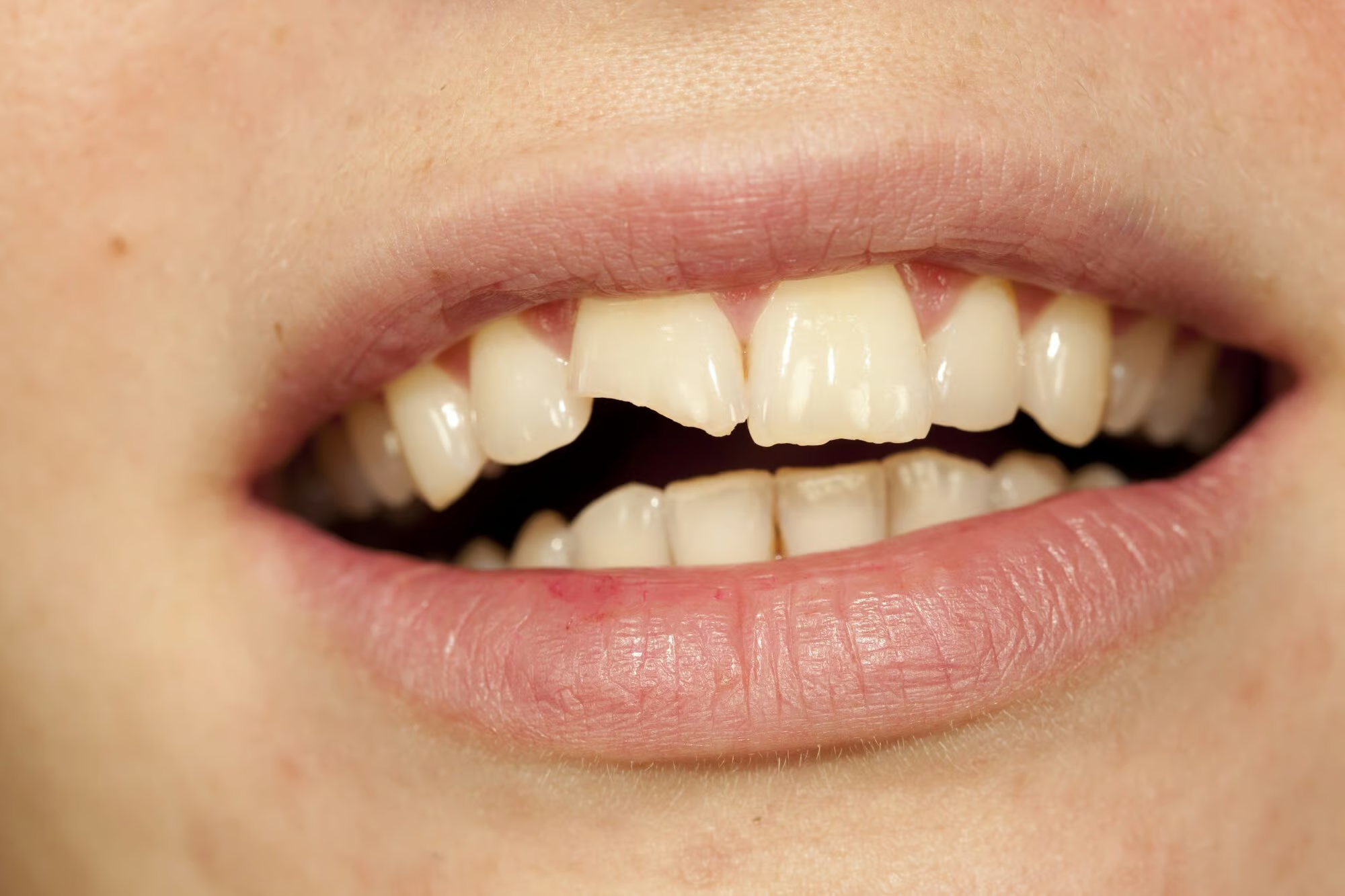
Close-up of a smile with a chipped front tooth
The short answer
Reviewed by our
Bartonville
doctors.
Dr. Landall Cormier, dentist at Associates in Dentistry in Bartonville
Dr. Jessica Dean, dentist at Associates in Dentistry in Bartonville

How much of the tooth broke matters more than how much it hurts. A chipped edge of enamel is usually a same-week fix, while a break that exposes the inner nerve or splits below the gum needs attention right away. Pain that's sharp, throbbing, or keeping you up at night points to nerve involvement.

01

A Broken Tooth Is Not Always the Same Emergency

People call us panicked over a tiny chip. And people wait two weeks on a break that needed us that day. Neither one is their fault. A tooth doesn't come with a label telling you which kind of trouble you're in.

Here's the honest shortcut. Pain level is a poor guide. What matters is how deep the break went and whether the soft tissue inside the tooth got exposed.

  • Chipped enamel: a rough or sharp edge you feel with your tongue, little to no pain. Usually smoothed or bonded at a regular visit.
  • Cracked cusp: a piece of the chewing surface breaks off, often around an old filling. Sensitive to cold and pressure, but the nerve is typically fine.
  • Fractured cusp with exposed dentin: sharper sensitivity, especially to sweets and air. This one needs a crown before it gets worse.
  • Break into the pulp: you may see a pink or red dot in the center, and the ache is deep and steady. A root canal is usually part of the fix.
  • Split tooth or a break below the gumline: bleeding, wobbling, or pain when you bite. This is the one that can't wait.

A crack you can't see is still a crack. We see plenty of teeth that look fine on the surface but hurt every time someone bites down on one specific spot. That's a classic cracked tooth, and it tends to get worse quietly.

So what do you do in the meantime? Rinse with warm salt water. Keep any broken piece in milk or saliva. Skip chewing on that side, and stay off anything very hot or very cold.

Not sure which category you're in? That's normal, and it's exactly what a quick look and an X-ray sorts out.
02

Same-Day Crowns Can Restore a Broken Tooth in One Visit

A cracked molar used to mean two trips. You'd get a temporary crown, wait two or three weeks while a lab made the real one, then come back. And those temporaries pop off. Usually on a Saturday, usually while you're eating something you were told not to eat.

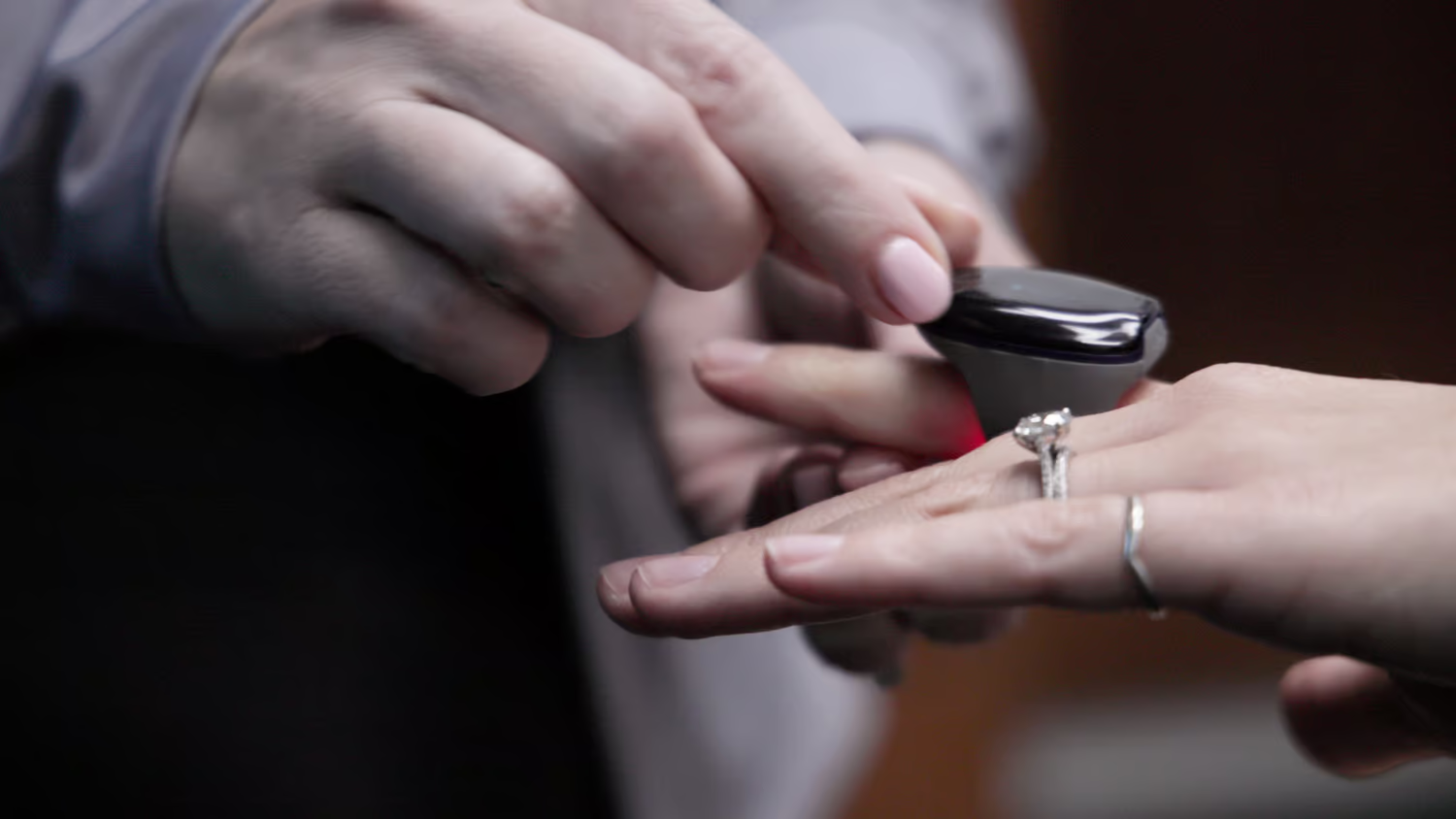
That's not how it has to work anymore. Our office has an in-house mill, so we design and cut the crown right here while you wait.

Here's what the visit looks like:

  • We take an X-ray and look at how deep the break goes. If the nerve is involved, we talk about a root canal first.
  • We numb the area and shape what's left of the tooth so a crown can seat on it cleanly.
  • A digital scanner maps the tooth. No goopy trays, no gagging.
  • The mill cuts your crown out of a solid block of ceramic while you sit in the chair.
  • We check the bite, adjust it, and bond it in place. You leave chewing on it.

Most of that happens in a single appointment. You're not carrying around a plastic placeholder for a month.

Now, a same-day crown isn't the answer for every broken tooth. If the fracture runs below the gumline, or the tooth is split down the root, a crown won't hold. We'd rather tell you that in the chair than cut a crown that fails in six months. And if the break did reach the nerve, we do root canals in-house, so that part doesn't get farmed out either.

We see this every week. Somebody bites a popcorn kernel, hears the crack, and assumes their whole week just got wrecked. It usually hasn't.

03

A Root Canal Becomes Necessary When the Fracture Reaches the Nerve

Inside every tooth there's a soft core. Nerve, blood supply, living tissue. When a fracture stays in the enamel, that core never knows anything happened. But once the crack runs deep enough to open a path to the pulp, bacteria get in. And the nerve starts to die.

That's the line. Not how big the piece was. How deep the break went.

You can usually feel the difference. Surface chips are sensitive to cold for a second or two, then the feeling fades. A tooth with nerve involvement hurts differently. Throbbing that wakes you up. Pain that lingers a full minute after you drink something hot. Tenderness when you bite down on nothing in particular. Some folks get a dull ache along the jaw and swear it's a sinus issue. We see that one every single week.

A root canal sounds worse than it is. Most of what people dread is the pain they already had walking in.

Here's the actual sequence:

  • We numb the area and check that you're fully comfortable before anything starts.
  • A small opening is made in the top of the tooth.
  • The damaged nerve tissue is cleaned out and the inside is disinfected.
  • The canals get sealed with a filling material.
  • The tooth gets covered with a crown, because a tooth that's had a root canal is more brittle than it was before.

We do root canals right here at our office, so you're not being sent across town to a specialist and then back again for the crown. The mill is in-house too. That matters more than it sounds like it should, because a broken tooth sitting open between appointments is a tooth that can crack further.

Waiting doesn't calm a dying nerve down. It just moves the problem toward an abscess.

Chipped or cracked a tooth? Let's take a look.
04

Some Chips Do Not Need Same-Day Treatment

Here's the part most dental pages skip. Not every broken tooth is an emergency. A lot of the chips we look at can absolutely wait for a regular appointment, and we'll tell you that on the phone.

Think about a tiny nick on the edge of a front tooth. No pain. No sharp spot cutting your tongue. Nothing catching on cold water or a sip of coffee. That's enamel only, and enamel has no nerve in it. It didn't hurt when it happened and it isn't going to start hurting overnight. You can wait a few days. You can wait a couple of weeks. The tooth isn't quietly getting worse while you sleep.

Same goes for an old filling that lost a corner but isn't sensitive. Or a worn-down spot on a back molar you only noticed because your tongue found it. Those are real things to fix, they're just not same-day things to fix.

We see this every week. Someone comes in convinced they need a crown right now, and what they need is fifteen minutes of smoothing and a little bonding at their next cleaning. That's a better outcome for the tooth anyway. Less drilling, less tooth removed, less to redo in ten years.

So what pushes it into same-day territory? Pain that lingers after hot or cold. A sharp edge shredding your cheek. A piece that came off and left a soft or dark spot in the middle. Bleeding from the gum around the tooth. Any wobble in the tooth itself. Those mean the break reached past enamel, and waiting does cost you something.

If you're not sure which one you've got, describe it to us. Two minutes on the phone usually sorts it out.

And if it can wait, we'll say so.

05

What to Do Before Your Appointment

So the tooth is broken and you've got an appointment. What happens in the hours before you sit down matters more than most people think. Small things keep the break from getting bigger.

Start here.

  • Rinse with warm salt water. Gently. This clears out debris without scrubbing the raw spot.
  • Save any piece that came off. Put it in a small container with milk or saline. Sometimes we can use it, sometimes we can't, but bring it anyway.
  • Cover a sharp edge with dental wax or a bit of sugarless gum. That jagged corner will shred your tongue and cheek in about an hour.
  • Chew on the other side. Every single bite on the broken tooth can drive the crack deeper.
  • Skip very hot and very cold food and drinks. Exposed dentin reacts fast.
  • Take an over-the-counter pain reliever if you normally can. Never hold an aspirin against the gum, it burns the tissue.

Now, a few things to have ready when you walk in. Your insurance card, a list of any medications you take, and a straight answer to one question: when did it break, and what were you eating? That last one tells us a lot. A tooth that cracked on a popcorn kernel behaves differently than one that's been quietly splitting for months.

Come in even if the pain stopped. We hear this weekly. The ache fades, people cancel, and three weeks later the nerve is dead and it's a root canal instead of a filling. Pain going away isn't the same as healing.

Our office keeps a milling unit on site, so plan on being with us a while if the tooth needs a same-day crown. Bring something to read. And if you're already sure you need a ride home, arrange it ahead of time, it's one less thing to sort out in the chair.

FAQ

Answers to the most common questions.

Something else on your mind?
Call us at (309) 697-2228.

How do I know if my broken tooth is an emergency?

Deep pain, throbbing, or a wobbling tooth means you need care right away. A tiny chip with no pain can usually wait for a regular visit. What matters most is how deep the break went, not how much it hurts at first. If you see a pink or red dot in the center, or the tooth bleeds, call us that day. When you're not sure, a quick look and an X-ray sorts it out fast.

Can a broken tooth be fixed in one visit?

Yes, our office mills same-day crowns while you wait, so most breaks don't need a temporary. We take an X-ray, numb the area, scan the tooth digitally, and cut your crown from a solid block of ceramic right in the chair. You leave chewing on it the same day. This only works if the fracture stays above the gumline. A split root or deep break needs a different plan first.

How can I tell if a cracked tooth needs a root canal?

You'll usually feel a difference between a surface chip and nerve damage. Cold sensitivity that fades in a second or two is often just enamel. Throbbing that wakes you up, or pain lingering a full minute after something hot, points to the nerve. A dull ache along the jaw can feel like a sinus problem, but we see that mistaken diagnosis every week. An X-ray tells us for certain.

What should I do right after my tooth breaks?

Rinse with warm salt water and keep any broken piece in milk or saliva. Avoid chewing on that side and skip anything very hot or very cold until you're seen. Bartonville patients call us the same day they crack a tooth, often mid-meal on a popcorn kernel or ice cube. Waiting doesn't calm things down. A break left open too long can crack further or lead to an abscess.

Does every chipped tooth need same-day treatment?

No, a small painless nick on the edge of a tooth can wait for a regular appointment. Enamel has no nerve in it, so if nothing catches your tongue or reacts to cold, it won't suddenly get worse overnight. We'll tell you on the phone if your chip fits this category. Save the urgent visit for breaks with pain, exposed dentin, or a piece that's missing near the gumline.

What happens during a root canal for a cracked tooth?

We numb the area first and make sure you're fully comfortable before starting anything. A small opening lets us clean out the damaged nerve tissue and disinfect inside the tooth. The canals get sealed, then a crown goes on top since the tooth is more brittle afterward. Dr. Cormier handles root canals and the crown milling right here in Bartonville, so you're not sent elsewhere between steps.

Request an appointment

Call us at (309) 697-2228

Tell Us About Yourself

Are you new to Associates in Dentistry?

Preferred Day and Time (optional)
Thank you! Your submission has been received!

That didn't go through. Please try again, or call your office.