


Can You Get Invisalign if You Have Veneers? The Real Answer
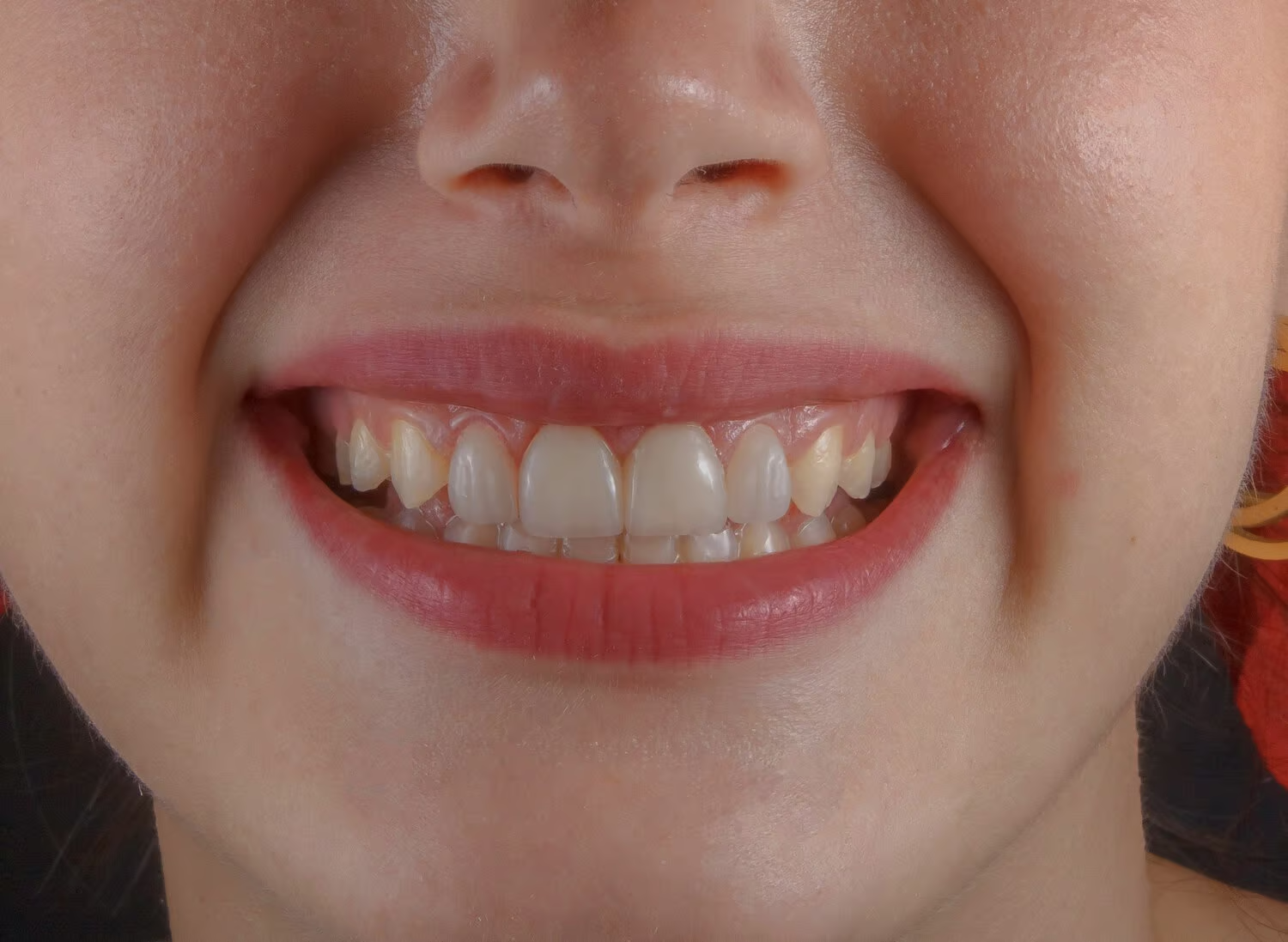
The answer is often yes. A veneer doesn't make a tooth impossible to move. The tray puts gentle pressure on the tooth, not just its front surface. The veneer stays attached, and the whole tooth can move. Still, that simple answer has an important catch: the veneer must be sound.
We start by looking closely at each veneer. Is an edge lifting? Does the tooth hurt when you bite? Those details matter more than how white or smooth a veneer looks. A tray may look snug, yet the bite can still need changes. And if something already feels loose, we'd want to know before planning tooth movement.
A veneer on one front tooth isn't the same as veneers across your smile. The number and position of your veneers can affect the plan. We also check how your upper and lower teeth meet. That helps us spot places where a veneer might take extra pressure.
These aren't reasons to rule yourself out. They're reasons to get a careful look first. We often meet people who assume every veneer must come off. That's not a decision you need to make on your own.
Some plans use small attachments to help trays grip teeth. An attachment may need a different approach on a veneered tooth, since the surface isn't the same as natural enamel. Your dentist can plan around the veneer or discuss another placement. But don't glue, trim, or adjust anything yourself.
Picture a Bartonville patient with one veneer on a front tooth. That tooth looks fine, but its edge catches when they floss. We'd check that edge before discussing trays. A small detail like that can change what comes first.
No need to guess from a photo or an old dental record. We can check the tooth you have today. And if you notice a chip while using a tray, stop and call for advice. Don't force a tight tray over a veneer that feels different.
Why Invisalign Attachments Sometimes Don't Stick to Veneers
Veneers and Invisalign can often work together, but an Invisalign attachment may need extra care on a veneer. Attachments are small bumps that help the tray grip certain teeth. They're bonded to the tooth's surface. A veneer changes that surface, so the usual bonding steps may not work the same way.
Natural enamel and veneer material don't have the same outer finish. Veneers often have a smooth, polished face. Bonding material may need special surface steps to hold there. The veneer's material and condition matter, too. A clinician has to check what's on your tooth before choosing those steps.
A loose attachment doesn't always mean your veneer is damaged.
Why might an attachment come off? We'd look at the surface first, then check how the tray fits. A few things can affect the bond:
Those details matter more than the simple fact that you have veneers. We see people focus on the veneer alone. But the attachment's spot matters just as much. An attachment on a natural tooth may be simpler to bond than one on a veneer. Your treatment plan decides where that grip is needed.
Say you have one veneer on a front tooth. Your Invisalign tray feels snug, but a small bump comes off. You might think the whole plan has failed. It hasn't necessarily. The tray can still fit, though the missing attachment may affect how it moves that tooth. That's why it's worth having the fit checked.
Don't try to glue the bump back yourself. And don't rough up the veneer to help it stick. A clinician can check the veneer and the attachment site first. They may change the bonding steps or review the attachment's position. The right choice depends on the tooth and the planned movement.
We'd also want to know if the veneer feels loose or sore. That's a different concern from an attachment coming off. If the veneer itself moves, avoid pressing the tray into place. Have it checked before you keep wearing the tray.
For someone in Bartonville, the useful next step is a close look at the actual tooth. Bring your tray and mention when the attachment came off. Did it happen while eating, or when you took the tray out? That small detail can help us understand the pressure on that spot.
And if an attachment keeps coming loose, say so. Repeating the same bonding step may not solve the cause. A careful check can show what needs to change, without guessing about your veneer.
Learn more on our Invisalign in Bartonville page.
Veneers Before or After Invisalign: How to Decide
The order matters because Invisalign moves teeth, while veneers change how teeth look.
If you already have veneers, that doesn't always rule out Invisalign. The veneer moves with the tooth beneath it. But its edges and bond need a close look first. We start by checking each veneer and talking about what you want to change. Is your goal to straighten your teeth, change their shape, or both?
If you haven't gotten veneers yet, ask about Invisalign first. Moving your teeth may change the space available for future veneers. It may also change which teeth you'd want to cover. That doesn't mean you must choose one treatment over the other. It means the order should fit your goal.
A few questions can make the choice clearer. Bring them to your dental exam, even if your veneers feel fine. A close look matters more than a guess based on how they look in a mirror.
You don't need to answer those questions alone. An exam helps sort out what needs attention now and what can wait. And your plan may be simple, even if the question feels complicated.
Picture a Bartonville patient with veneers on two front teeth. They like the veneers but want to close a gap nearby. We'd look at the teeth around the gap, then check the veneer edges. The key question isn't just whether Invisalign can move those teeth. It's whether the finished position will still look right with the veneers they have.
Now picture someone who wants both straighter teeth and new veneers. They may want to discuss Invisalign before choosing the final veneer shape. But that's a decision for an exam, not a rule for everyone. Your bite, your existing dental work, and your goals all matter.
There's no need to settle the whole plan today.
If you're weighing the order, start with a dental exam and bring your questions. Then visit the Invisalign in Bartonville page to learn about the next step.
Related guide: Why '1 Month of Invisalign Cost' Is the Wrong Question: A Bartonville Dentist Explains